
Zero-party data is a goldmine for Indian retail managers, enabling them to personalize marketing and improve customer experiences. By collecting explicit customer preferences, retail managers can segment their customer base accurately and deliver targeted marketing messages. This approach not only increases customer engagement but also boosts revenue and reduces churn. The Zero-Party Data Segmentation Framework, introduced by eWards, is designed to help retail managers leverage this data effectively.
Introduction to Zero-Party Data and Its Importance in B2B Retail
In today’s data-driven retail landscape, zero-party data stands out as a critical tool for Indian retail managers. Zero-party data refers to explicit customer preferences and information that customers willingly share with retailers. This data provides a direct line of communication between the retailer and the customer, allowing for hyper-personalized marketing and improved customer experiences.
According to FICCI, 70% of Indian consumers are willing to share their preferences with retailers if it leads to better experiences. Retail managers must prioritize collecting zero-party data to stay ahead of the competition and deliver tailored marketing campaigns.
1. The Zero-Party Data Segmentation Framework
The Zero-Party Data Segmentation Framework is a comprehensive approach to collecting and leveraging zero-party data. This framework consists of four strategic pillars that help retailers segment their customer base and deliver targeted marketing messages. Each pillar is designed to address a specific challenge in the retail landscape, from collecting data to ensuring data quality and compliance.
Benefits of Using Zero-Party Data in Retail Marketing
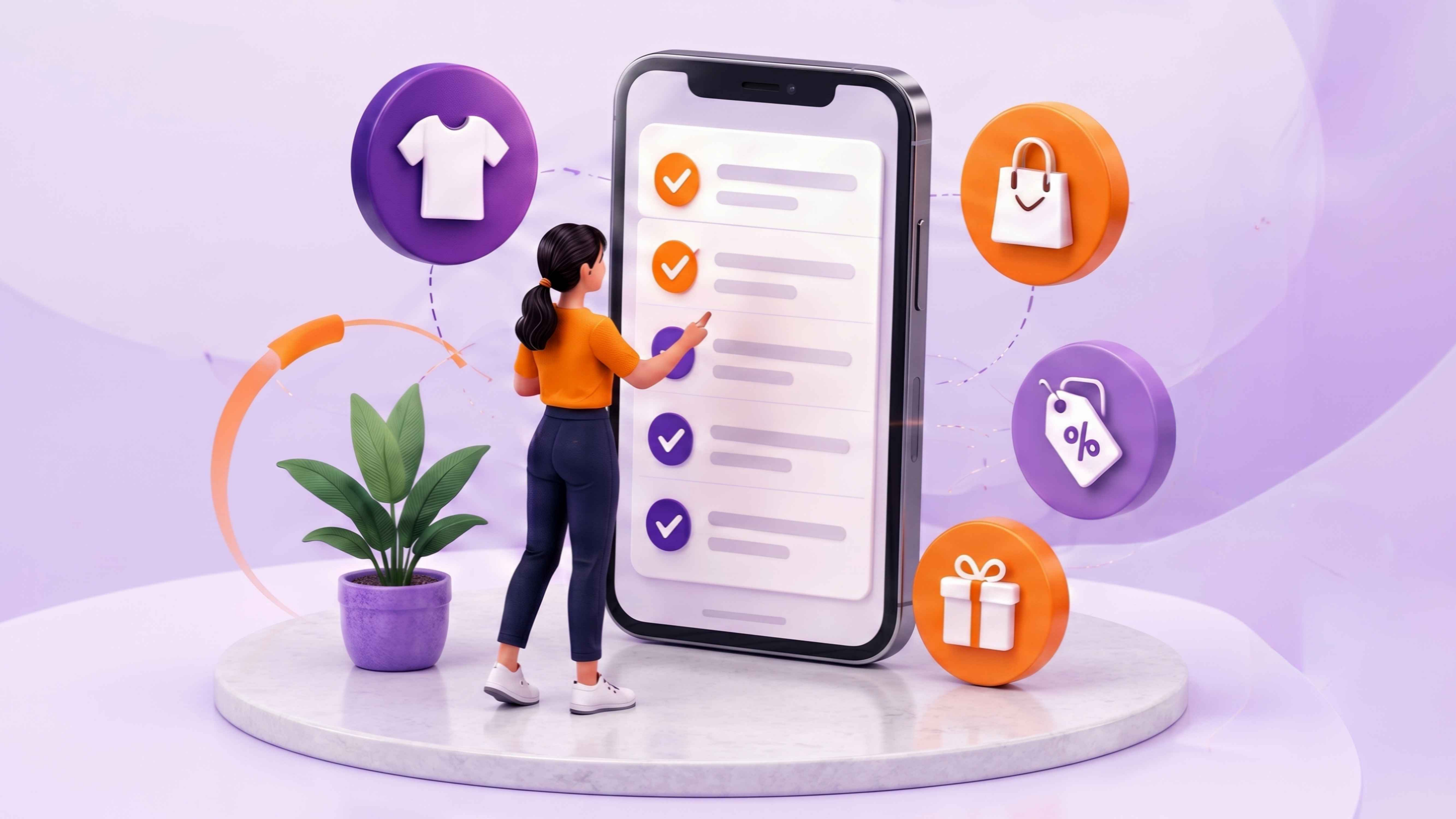
By using zero-party data, Indian retail managers can increase customer engagement, reduce churn, and boost revenue. According to a study by McKinsey India, 45% of Indian consumers are more likely to engage with brands that offer personalized experiences. Zero-party data enables retailers to deliver these experiences by understanding customer preferences and behaviors.
1. Increase in Customer Engagement
Retailers who collect zero-party data see a significant increase in customer engagement. For instance, a mid-size apparel chain in Tier 2 with 40 stores increased customer engagement by 35% in the first month of implementing the Zero-Party Data Segmentation Framework. This data-driven approach ensures that marketing campaigns are tailored to individual preferences, leading to higher engagement rates.
2. Reduction in Customer Churn
Zero-party data also helps reduce customer churn by providing insights into customer preferences and behaviors. By segmenting customers based on explicit preferences, retailers can deliver targeted marketing messages and offers, reducing the likelihood of customer churn. A study by Bain & Company India found that retailers who use zero-party data for segmentation see a 20% reduction in churn rates.
3. Boost in Revenue

Finally, using zero-party data for personalization leads to a boost in revenue. Retailers can tailor their marketing campaigns to individual customer preferences, increasing the likelihood of conversion. For example, a supermarket chain in India saw a 25% increase in revenue in the first quarter of implementing the Zero-Party Data Segmentation Framework.
Segmenting Your Customer Base Using Zero-Party Data
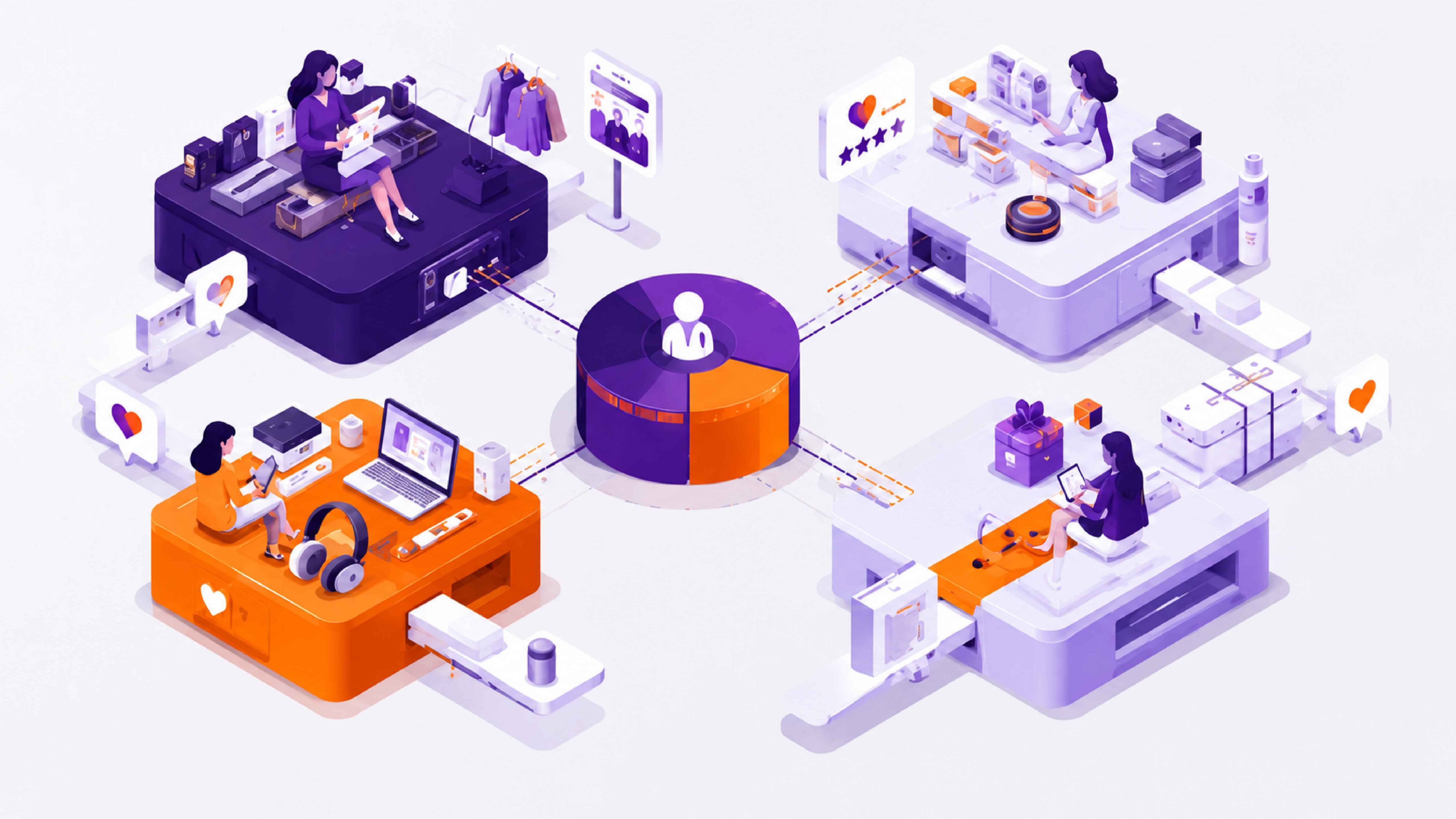
Zero-party data allows Indian retail managers to segment their customers based on explicit preferences, enabling hyper-personalization and improved customer experiences. The Zero-Party Data Segmentation Framework provides a structured approach to segmenting customers, ensuring that marketing campaigns are tailored to individual preferences.
1. Collecting Explicit Preferences
The first step in the framework is collecting explicit preferences from customers. Retail managers must design surveys and forms that encourage customers to share their preferences with the retailer. This data can then be used to segment customers into different groups, each with unique preferences and behaviors. For instance, a luxury fashion brand might design a survey asking customers about their preferred styles, color palettes, and occasions for wearing specific clothing items.
2. Segmentation Based on Preferences
Once the data is collected, retailers can segment their customer base based on explicit preferences. For instance, a lifestyle brand can segment customers based on their preferred products, such as skincare or haircare. This segmentation allows retailers to deliver targeted marketing messages and offers, increasing the likelihood of conversion.
3. Hyper-Personalized Marketing
Finally, retailers can use the segmented data to deliver hyper-personalized marketing campaigns. By understanding customer preferences and behaviors, retailers can tailor their marketing messages to individual customers, increasing engagement and conversion rates. For example, a fashion retailer can use zero-party data to deliver personalized product recommendations based on preferred styles and colors.
Concrete Example of Zero-Party Data Implementation
A mid-size electronics retailer in India implemented the Zero-Party Data Segmentation Framework to improve customer engagement and reduce churn. The retailer designed a survey asking customers about their preferred devices, usage patterns, and brand loyalty. With the collected data, the retailer segmented their customer base into groups such as enthusiasts, casual users, and brand loyalists. Based on these segments, the retailer created targeted marketing campaigns, including personalized product recommendations, exclusive offers, and loyalty programs. As a result, the retailer saw a 30% increase in customer engagement and a 15% reduction in churn rates within the first six months of implementation.
Implementation Framework for Zero-Party Data
To effectively implement the Zero-Party Data Segmentation Framework, Indian retail managers should follow these steps:
Step 1: Design a Survey
Create a survey that encourages customers to share their explicit preferences. The survey should cover preferred products, usage patterns, and brand loyalty. It should be user-friendly and available across email, website, and social media.
Step 2: Collect Data
Encourage customers to participate by offering incentives such as discounts, coupons, or loyalty points. Collect the data and store it securely in a customer database.
Step 3: Segment Customers
Segment customers based on their explicit preferences. Create customer profiles and tailor marketing campaigns to match individual tastes.
Step 4: Deliver Personalized Marketing
Use the segmented data to deliver personalized campaigns – product recommendations, exclusive offers, and loyalty programs tailored to each segment.
Step 5: Monitor and Optimize
Monitor campaign performance and optimize based on customer feedback and engagement. Continuously collect and update zero-party data to keep campaigns relevant and effective.
Key Takeaway
Zero-party data can increase customer engagement by 35% in the first month. Retail managers must prioritize collecting explicit customer preferences to personalize marketing and improve customer experiences.