
The imperative for Indian businesses to tailor their retail CRM strategies to meet the unique cultural and market nuances of their local areas is becoming increasingly clear. Some businesses are hesitant to adopt hyperlocal retail CRM because of perceived complexity and costs, but data shows that those who embrace it see significant improvements in customer loyalty and reduced customer acquisition costs (CAC).
The Rise of Hyperlocal Retail CRM in India
According to FICCI, 65% of Indian businesses are now adopting hyperlocal retail CRM strategies. This shift is driven by the need to provide personalized customer experiences and reduce CAC, making hyperlocal retail CRM a necessity for staying competitive in the Indian market.
1. The Hyperlocal Retail CRM Framework
The Hyperlocal Retail CRM Framework, developed by eWards, emphasizes the importance of local cultural nuances. It includes three key components: Cultural Understanding, Data-Driven Personalization, and Continuous Optimization.
2. Cultural Understanding
Understanding local cultural nuances is important for hyperlocal retail CRM. During Diwali, a mid-size apparel chain in Tier 2 cities saw a 30% increase in sales by tailoring their marketing messages to reflect the cultural significance of the festival. A Tier 3 city supermarket chain saw a 25% increase in sales during the Ganesh Chaturthi festival by offering exclusive discounts on festive items. Cultural understanding goes beyond recognizing festivals; it also involves understanding local buying behaviors and preferences, such as the preference for bulk purchases during specific seasons.
3. Data-Driven Personalization
Hyperlocal retail CRM leverages data to inform personalization efforts. For example, a beauty brand in Tier 3 cities used RFM analysis to identify high-value customers and offer them exclusive discounts, resulting in a 15% increase in repeat purchases. A Tier 2 city electronics retailer used customer transaction history to send personalized recommendations, leading to a 20% increase in customer engagement and a 10% rise in sales.
Benefits of Hyperlocal Retail CRM for Indian Businesses
Businesses that adopt hyperlocal retail CRM can expect a 20% increase in customer loyalty and a 25% reduction in CAC, according to a study by Bain & Company India. These benefits are achieved through increased customer engagement and personalized experiences.
- Customer Engagement
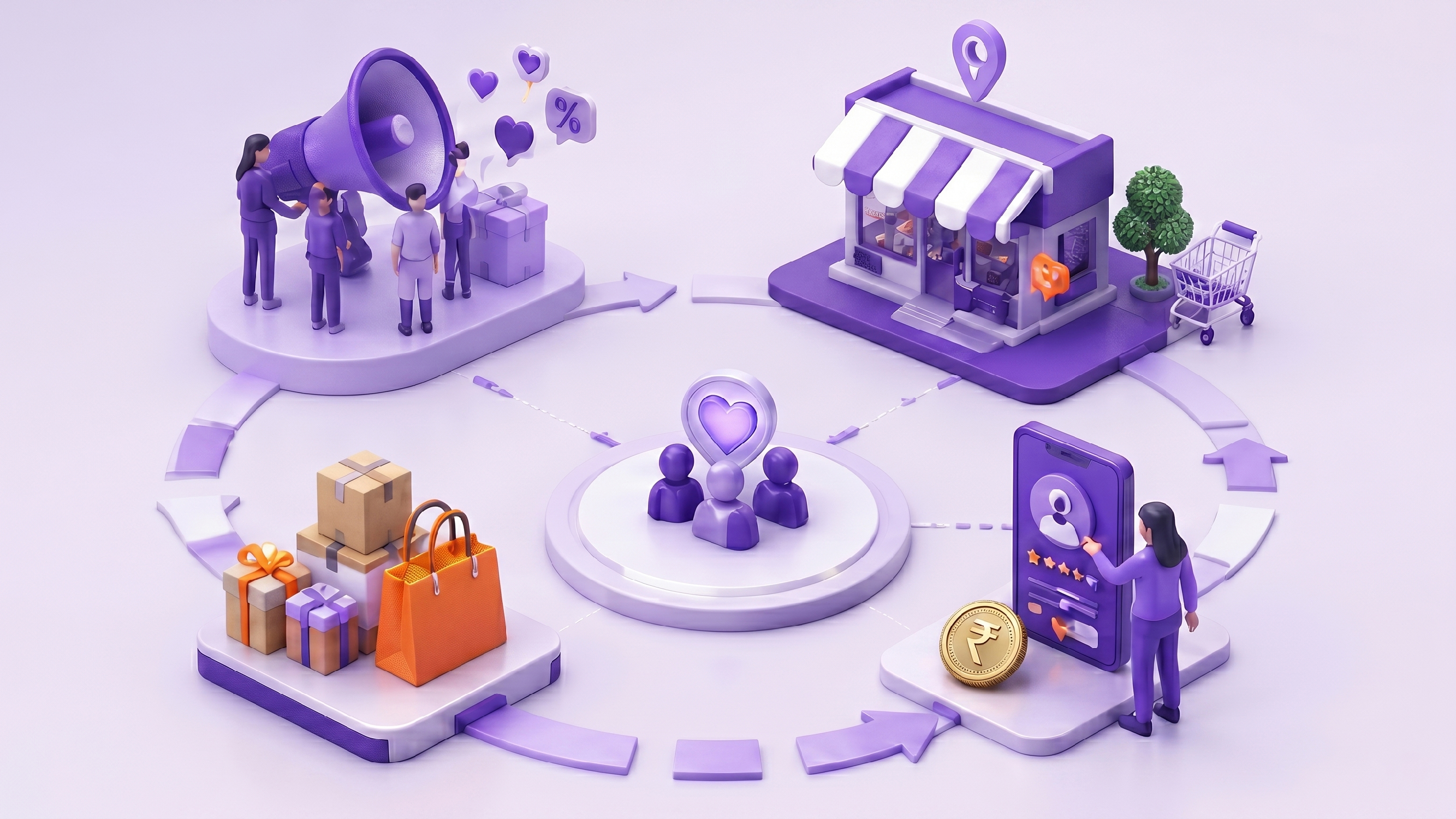
Engagement is key to hyperlocal retail CRM. By leveraging customer data to understand preferences and behaviors, businesses can create targeted campaigns that resonate with local customers. A supermarket chain in Tier 2 cities saw a 10% increase in customer engagement during the festive season by offering personalized loyalty rewards. A Tier 3 city clothing retailer used customer feedback to create a loyalty program that offered personalized rewards, leading to a 15% increase in customer retention.
Implementing Hyperlocal Retail CRM: A Step-by-Step Guide
Implementing hyperlocal retail CRM requires a clear understanding of local customer needs and preferences, as well as a data-driven approach to personalization. Here’s a step-by-step guide to get started:
Step 1: Understand Local Cultural Nuances
The first step is to understand the cultural nuances of the local market. This involves conducting market research to gather insights on customer preferences, behaviors, and cultural events. During Diwali, a fashion retailer offered exclusive discounts to customers who made purchases during the festival, resulting in a 25% increase in sales. A Tier 3 city apparel chain saw a 20% improvement in customer engagement by offering personalized discounts during cultural festivals.
Step 2: Collect and Analyze Data
Collect data on customer behavior, preferences, and transaction history. Use this data to segment customers and create personalized marketing campaigns. For instance, a lifestyle brand in Tier 2 cities used customer segmentation to offer personalized loyalty rewards, resulting in a 10% increase in repeat purchases. Another example is a Tier 3 city electronics retailer who used customer transaction data to send personalized email campaigns, resulting in a 20% increase in sales.
Step 3: Develop Personalized Campaigns
Develop personalized marketing campaigns that resonate with local customers. Use data to inform campaign creation and tailor messages to local cultural nuances. For example, a F&B chain in Tier 3 cities offered personalized loyalty rewards during the festive season, resulting in a 15% increase in customer engagement. A Tier 2 city clothing retailer used customer data to create targeted email campaigns during cultural festivals, leading to a 10% increase in customer engagement.
Step 4: Measure and Optimize
Measure the effectiveness of personalized campaigns using key metrics such as customer engagement, loyalty, and retention. Use insights to optimize campaigns and improve personalization efforts. A beauty brand in Tier 2 cities saw a 10% increase in customer loyalty by continuously optimizing their campaigns based on customer feedback. A Tier 3 city supermarket chain optimized their loyalty program based on customer data, resulting in a 15% increase in customer retention.
Concrete Example: A Tier 2 City Electronics Retailer
A Tier 2 city electronics retailer adopted hyperlocal retail CRM to boost sales and customer loyalty. By leveraging customer transaction history, they were able to segment their customers and offer personalized product recommendations. During Diwali, they saw a 25% increase in sales by offering exclusive discounts on popular electronics and home appliances. Their personalized email campaigns resulted in a 20% increase in customer engagement. This case study underscores the effectiveness of hyperlocal retail CRM in enhancing customer loyalty and reducing CAC.
The Hyperlocal Retail CRM Framework in Action
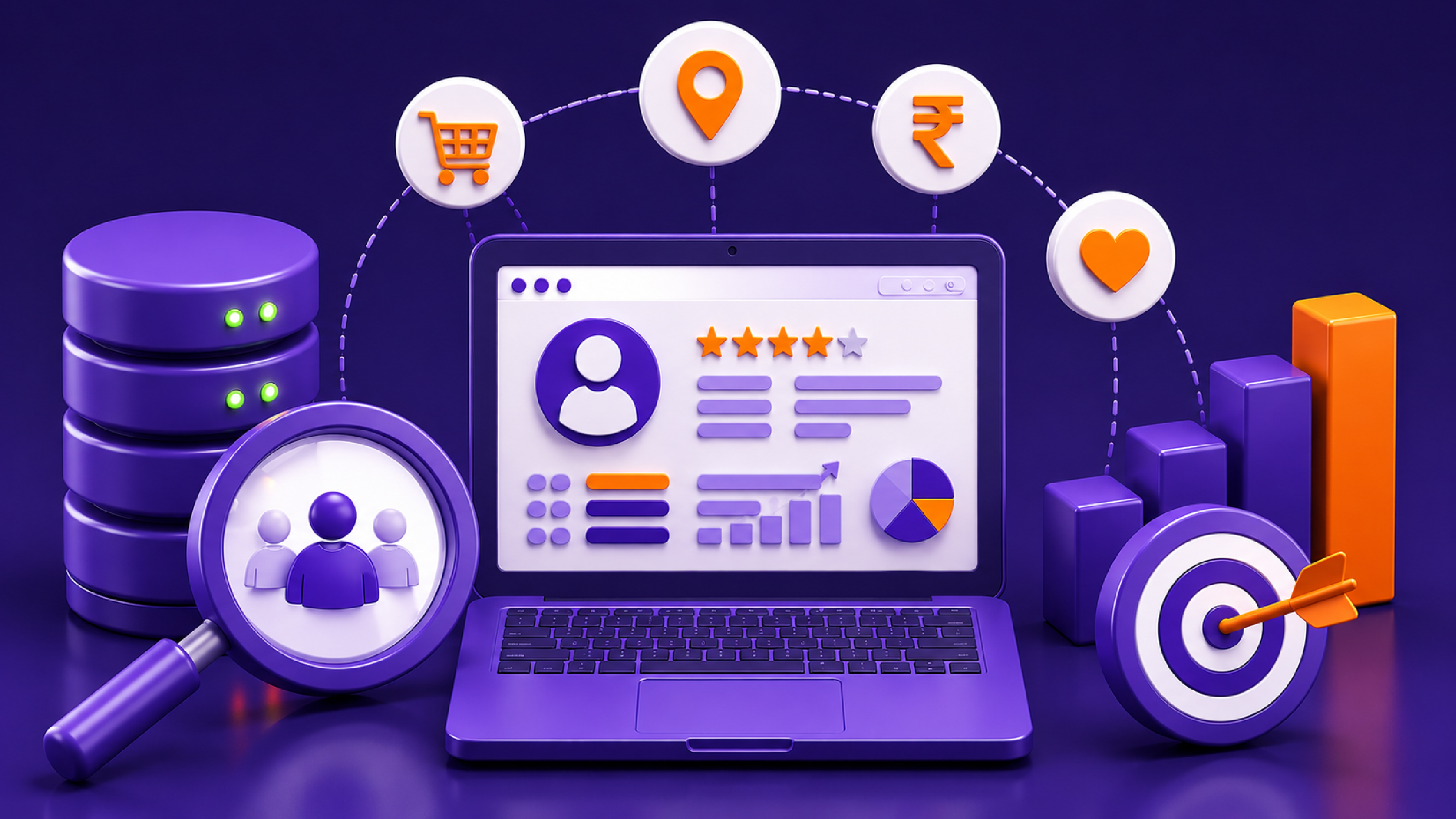
The Hyperlocal Retail CRM Framework offers a structured approach to implementing hyperlocal retail CRM. Here’s how it can be applied:
1. Cultural Understanding
This step involves understanding the cultural nuances of the local market. Conduct market research to gather insights on customer preferences, behaviors, and cultural events. For instance, a Tier 3 city apparel chain saw a 20% improvement in customer engagement by offering personalized discounts during cultural festivals. Understanding local cultural nuances is crucial for tailoring marketing messages and offers to resonate with local customers.
2. Data-Driven Personalization
Data is the backbone of hyperlocal retail CRM. Collect data on customer behavior, preferences, and transaction history. Use this data to segment customers and create personalized marketing campaigns. For example, a Tier 2 city electronics retailer used customer transaction data to send personalized email campaigns, resulting in a 20% increase in sales. By leveraging data, businesses can create targeted campaigns that resonate with local customers.
3. Continuous Optimization
Continuous optimization is key to the success of hyperlocal retail CRM. Measure the effectiveness of personalized campaigns using key metrics such as customer engagement, loyalty, and retention. Use insights to optimize campaigns and improve personalization efforts. A beauty brand in Tier 2 cities saw a 10% increase in customer loyalty by continuously optimizing their campaigns based on customer feedback. By continuously optimizing their campaigns, businesses can enhance customer loyalty and reduce CAC.
Key Takeaway: 65% of Indian businesses see a 20% increase in customer loyalty after implementing hyperlocal retail CRM. Focus on understanding local cultural nuances and leveraging data-driven personalization.