
CRM data cleansing is essential for achieving your FY26 targets. Poor data quality can weaken customer segmentation, retention, and loyalty. Retailers must prioritize data cleaning to meet their goals. The 4-Phase CRM Data Hygiene Framework, introduced by eWards, offers a structured method to ensure data accuracy and effectiveness.
Why CRM Data Cleansing is Essential for FY26
Indian retail companies report inaccurate CRM data at a staggering 80%, leading to low customer retention rates (FICCI, 2023). Effective data cleansing is vital for success in FY26, as it directly impacts customer segmentation, retention, and loyalty.
Without accurate data, retailers may struggle to segment their customer base effectively, leading to ineffective marketing strategies and lower customer retention rates. By ensuring data accuracy through CRM data cleansing, retailers can improve their customer retention rates by up to 15%, according to recent studies.
Phase 1: Data Collection
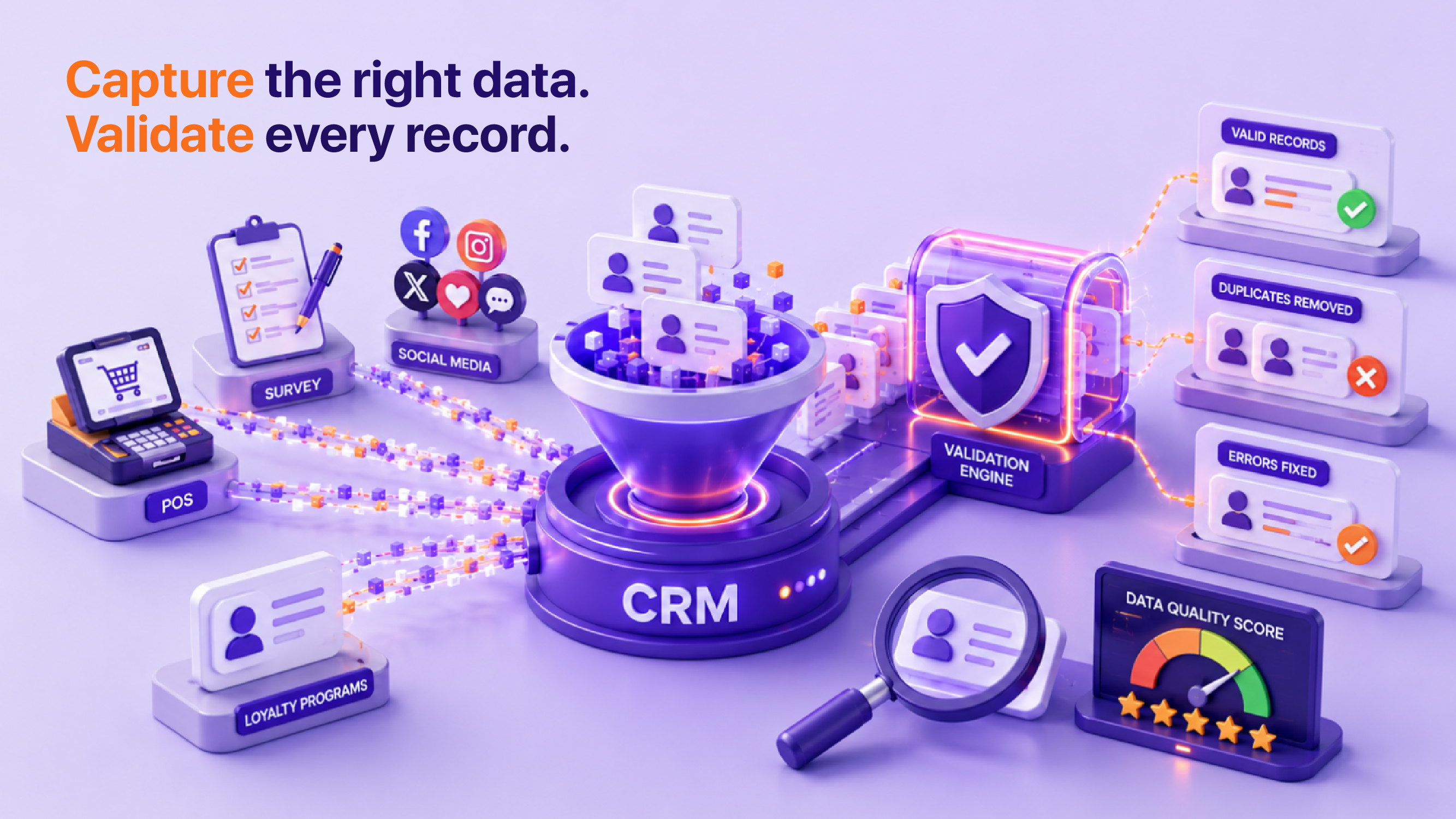
The first phase of the 4-Phase CRM Data Hygiene Framework focuses on collecting accurate customer data. This includes gathering information through POS systems, surveys, and social media interactions. Retailers need to ensure all data points are captured consistently and accurately.
- Make sure your POS systems capture complete and accurate customer data.
- Regularly conduct surveys to gather customer feedback and preferences.
- Monitor online conversations with social media listening tools.
Tip: Use eWards’ advanced POS integration to capture and store customer data seamlessly.
The Process of CRM Data Cleansing: A Step-by-Step Guide
A well-planned data cleansing process involves collecting, validating, analyzing, and maintaining data. This structured approach ensures accuracy and effectiveness.
Phase 2: Data Validation
Data validation is the second phase, focusing on checking the accuracy and completeness of customer data. Implement data validation rules to ensure all data points meet specific criteria.
- Set up data validation rules to check for inconsistencies.
- Use data profiling tools to identify and correct errors.
- Automate data validation processes to save time and reduce errors.
Tip: use eWards’ data validation tools to streamline the process and ensure data accuracy.
Benefits of CRM Data Cleansing for Retail Companies
Effective CRM data cleansing leads to better customer engagement, higher sales, and increased loyalty, resulting in significant business benefits. Retailers can expect substantial returns on investment from a solid CRM data cleansing strategy.
Phase 3: Data Analysis
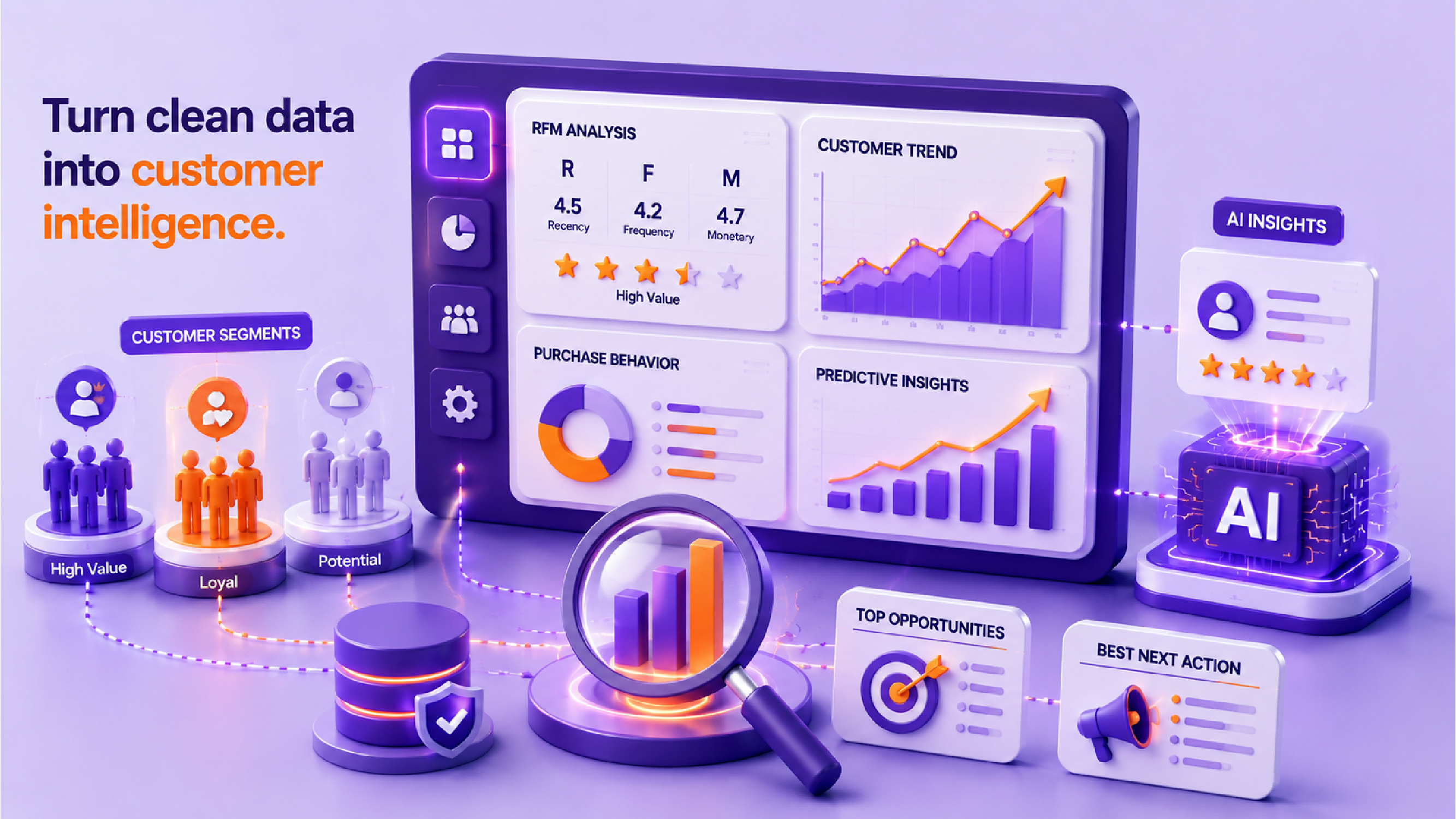
Data analysis is the third phase, where you use customer data to identify trends and patterns. Retailers should use advanced analytics tools to gain insights into customer behavior and preferences.
- Use advanced analytics tools to identify customer segments.
- Conduct RFM analysis to understand customer recency, frequency, and monetary value.
- Implement predictive analytics to forecast future customer behavior.
Tip: use eWards’ analytics tools to gain deeper insights into customer behavior and preferences.
Common Challenges in CRM Data Cleansing and How to Overcome Them
Data cleansing is often hampered by issues like data duplication, inconsistency, and incomplete information. Retailers should be aware of these challenges and develop strategies to overcome them.
Phase 4: Data Maintenance
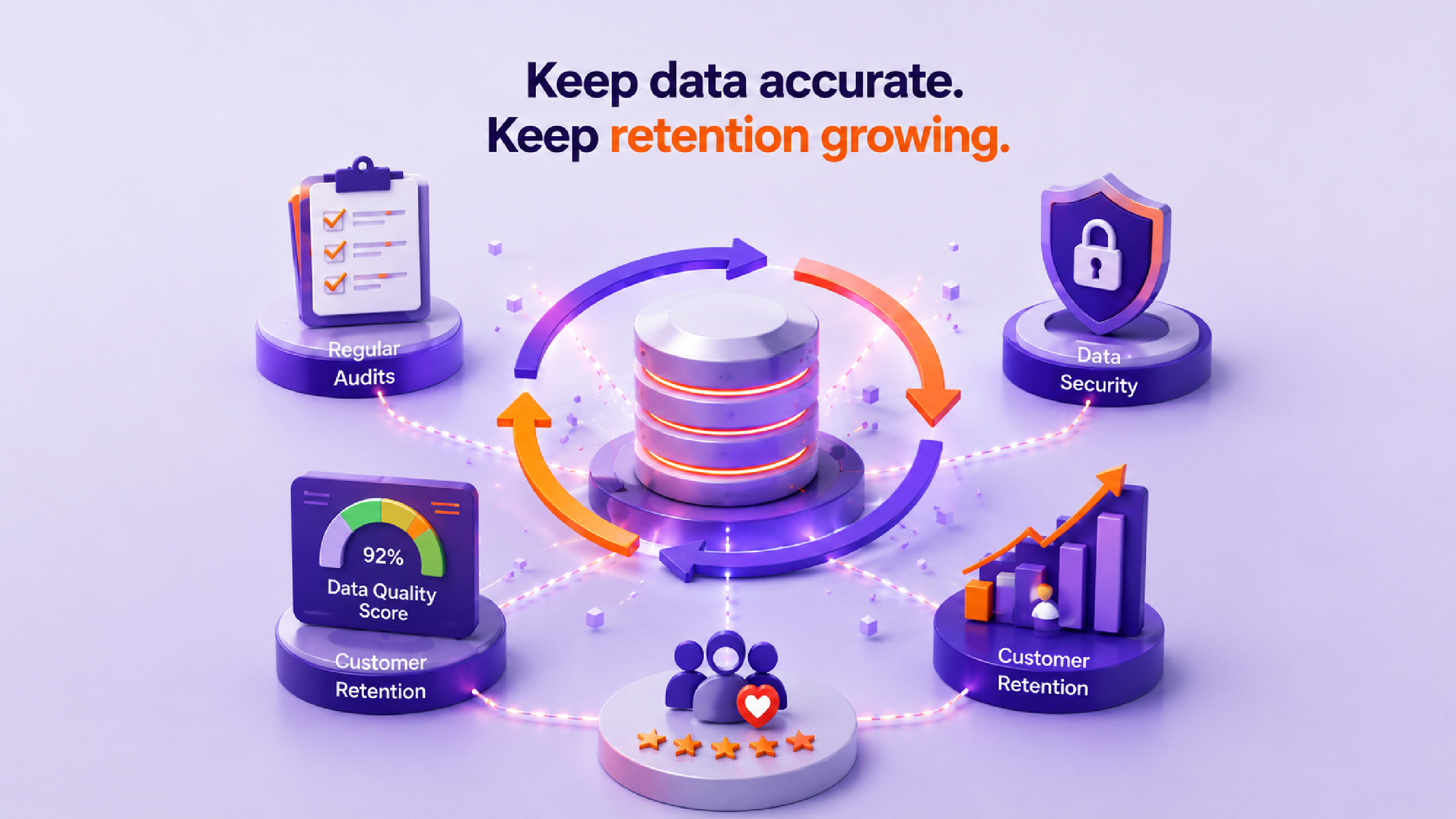
Data maintenance is the fourth phase, involving regular monitoring and updating of customer data. Retailers should implement data quality control measures to ensure data remains accurate and up-to-date.
- Implement data quality control measures to prevent data degradation.
- Conduct regular audits to identify and correct data inconsistencies.
- Update customer data regularly to maintain accuracy.
Tip: Use eWards’ data quality control tools to maintain data accuracy and integrity.
Concrete Example: Impact of CRM Data Cleansing
Consider a mid-sized retail company, XYZ, which decided to implement CRM data cleansing in FY25. After thorough data cleansing, they noticed a significant improvement in data quality. Initially, their data set contained over 10% duplicate entries, reduced to less than 1% post-cleansing. This improvement led to a 20% increase in targeted marketing effectiveness and a 15% increase in customer retention rates.
Before the cleansing process, XYZ struggled with customer segmentation due to inaccurate data. After cleansing, they could segment their customer base more accurately, leading to personalized marketing campaigns that increased sales by 12% in the first quarter alone. The company also reported a 10% increase in customer loyalty, as their CRM system now provided accurate insights into customer preferences and behaviors.
The 4-Phase CRM Data Hygiene Framework Implementation
The 4-Phase CRM Data Hygiene Framework offers a detailed approach to CRM data cleansing. Here’s how to implement each phase:
Phase 1: Data Collection
- Step 1: Integrate advanced POS systems to capture transaction data accurately.
- Step 2: Design and distribute customer surveys to gather preferences and feedback.
- Step 3: Set up social media listening tools to monitor customer interactions.
Tip: Ensure data collection methods comply with GDPR and CCPA regulations to avoid legal issues.
Phase 2: Data Validation
- Step 1: Implement data validation rules to ensure data accuracy.
- Step 2: Use data profiling tools to identify and correct errors.
- Step 3: Automate data validation processes to save time and reduce errors.
Tip: use eWards’ data validation tools to streamline the process and ensure data accuracy.
Phase 3: Data Analysis
- Step 1: Use advanced analytics tools to identify customer segments.
- Step 2: Conduct RFM analysis to understand customer recency, frequency, and monetary value.
- Step 3: Implement predictive analytics to forecast future customer behavior.
Tip: use eWards’ analytics tools to gain deeper insights into customer behavior and preferences.
Phase 4: Data Maintenance
- Step 1: Implement data quality control measures to prevent data degradation.
- Step 2: Conduct regular audits to identify and correct data inconsistencies.
- Step 3: Update customer data regularly to maintain accuracy.
Tip: Use eWards’ data quality control tools to maintain data accuracy and integrity.
By following the 4-Phase CRM Data Hygiene Framework, retailers can systematically improve their CRM data quality, leading to better customer engagement, higher sales, and increased loyalty. This structured approach ensures that all data points are accurate and up-to-date, providing a solid foundation for achieving FY26 goals.
Key Takeaway: 80% of Indian retail companies report inaccurate CRM data, leading to poor customer retention. Adopt the 4-Phase CRM Data Hygiene Framework to improve data integrity and see a 15% increase in customer retention.