
Retailers struggle to retain customers, impacting revenue and customer lifetime value. While many focus on increasing average order value (AOV), this approach overlooks the critical role of dynamic segmentation in improving retention rates. In reality, dynamic segmentation can increase customer lifetime value (CLV) and improve retention rates by up to 30%. Here’s how to streamline your retail operations with dynamic segmentation.
What is Dynamic Segmentation and Its Importance in Retail
Dynamic segmentation is a strategy that adjusts customer segments based on real-time data, improving retention and CLV. By updating segments regularly, retailers can identify and target high-value customers more effectively. For instance, a fashion retailer in Tier 2 cities can use dynamic segmentation to tailor promotions to seasonal trends and maximize sales during Diwali.
Understanding Dynamic Segmentation: The Dynamic Segment Optimization Framework (DSOF)
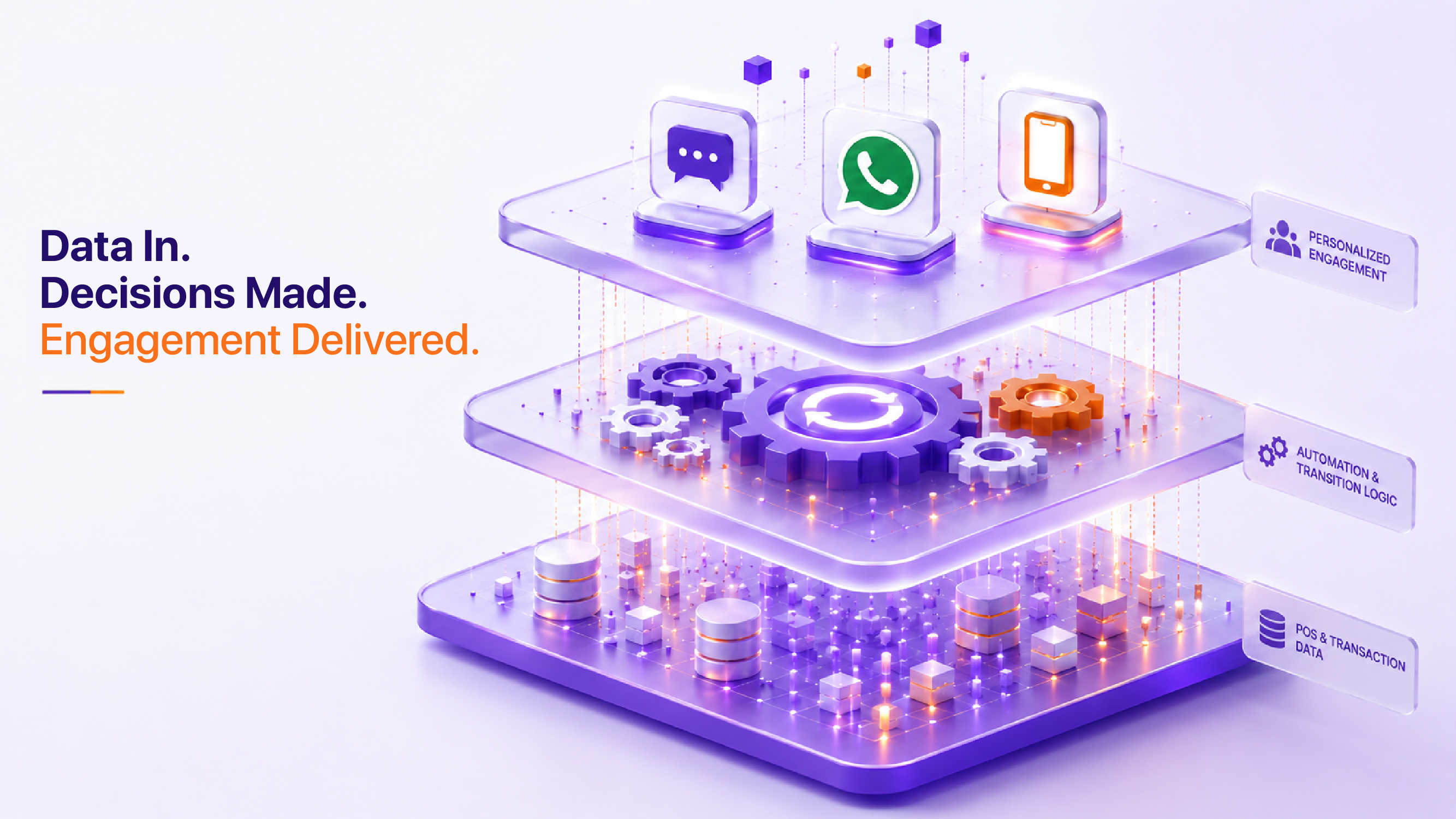
The Dynamic Segment Optimization Framework (DSOF) by eWards is a structured approach to dynamic segmentation, enabling retailers to refine their customer segments continuously. This framework helps retailers stay ahead of customer behavior changes, ensuring that marketing efforts are always relevant and effective.

1. Data Collection and Integration
Data collection is the foundation of DSOF. Retailers must integrate POS data, customer interaction data, and transactional data to build a comprehensive view of each customer. For example, eWards helps retailers track customer interactions across multiple channels and update segments in real-time. This data-driven approach ensures that retailers can tailor their marketing efforts to meet customer needs more effectively. By integrating data from various sources, retailers can create detailed customer profiles, enabling them to personalize marketing campaigns and offer targeted promotions.
2. Segmentation Rules and Automation
Segmentation rules are the heart of DSOF. Retailers define rules based on customer behavior and preferences, and automate segment updates to ensure they remain relevant. For instance, a supermarket chain can automate segment updates based on RFM scores, ensuring that high-value customers receive personalized offers. By automating these processes, retailers can save time and resources, while also ensuring that their marketing efforts are always up-to-date and relevant to customer needs.
3. Monitoring and Optimization
Monitoring and optimization are crucial for the success of DSOF. Retailers should continuously monitor segment performance and optimize rules to improve outcomes. For example, eWards helps retailers track segment performance and adjust rules to improve retention rates. Regular monitoring and optimization allow retailers to fine-tune their segmentation rules and ensure that their marketing efforts remain effective over time.
Benefits of Implementing Dynamic Segmentation in Retail Operations
Implementing dynamic segmentation can significantly improve customer retention rates and CLV. By using real-time data, retailers can tailor their marketing efforts to meet customer needs more effectively. For example, a beauty retailer in Tier 3 cities can use dynamic segmentation to identify high-value customers and offer personalized promotions during the EOSS season. This not only increases the likelihood of repeat purchases but also enhances the overall customer experience.
- Creating Effective Dynamic Segments for Retail Business
To create effective dynamic segments, retailers must combine customer data and transactional data to identify high-value customer segments. By using this data, retailers can tailor their marketing efforts to meet the needs of each segment. For instance, a lifestyle retailer can use transactional data to identify frequent buyers and offer them loyalty rewards. This approach not only increases customer loyalty but also drives revenue growth.
- Best Practices for Effective Dynamic Segmentation in Retail
Best practices for dynamic segmentation include regular segment updates and using AI-powered analytics tools. By following these practices, retailers can ensure that their marketing efforts remain relevant and effective. For example, eWards uses AI-powered analytics tools to help retailers optimize their marketing campaigns and improve customer retention. These tools provide valuable insights and recommendations, allowing retailers to make data-driven decisions and enhance their marketing strategies.
Dynamic Segmentation: Streamline Retail Operations 2026
Dynamic segmentation is a crucial strategy for improving retention and CLV in Indian retail. Retailers should prioritize dynamic segmentation over other strategies to maximize CLV. By implementing the Dynamic Segment Optimization Framework (DSOF) by eWards, retailers can streamline their operations and improve customer retention rates. This framework provides a systematic approach to dynamic segmentation, enabling retailers to stay ahead of customer behavior changes and deliver personalized marketing campaigns.
- Before You Start
To implement dynamic segmentation, retailers must first understand the importance of real-time data and how to use it effectively. Retailers should also identify key customer segments and define segmentation rules based on customer behavior and preferences. For example, a fashion retailer can identify high-value customers based on RFM scores and offer them personalized promotions. This approach not only increases customer loyalty but also drives revenue growth.
- Understand the importance of real-time data
- Identify key customer segments
- Define segmentation rules based on customer behavior and preferences
Step 1: Collect and Integrate Data
Collecting and integrating data is the first step in implementing dynamic segmentation. Retailers should integrate POS data, customer interaction data, and transactional data to build a comprehensive view of each customer. For example, a beauty retailer can integrate POS data with customer interaction data to identify high-value customers. This data-driven approach ensures that retailers can tailor their marketing efforts to meet customer needs more effectively.
- Integrate POS data
- Integrate customer interaction data
- Integrate transactional data
Step 2: Define Segmentation Rules
Defining segmentation rules is the next critical step. Retailers need to create rules based on customer behavior and preferences, ensuring that segments are dynamic and relevant. For example, a retailer might define a segment for customers who have made purchases within the last 30 days and another segment for customers who have abandoned their carts. By automating segment updates based on these rules, retailers can ensure that their marketing efforts remain relevant and effective.
- Create rules based on customer behavior
- Define rules based on customer preferences
- Automate segment updates
Step 3: Implement the Dynamic Segment Optimization Framework (DSOF)
The DSOF framework provides a structured approach to dynamic segmentation, helping retailers refine their customer segments continuously. This framework includes three main stages: data collection and integration, segmentation rules and automation, and monitoring and optimization. By following this framework, retailers can ensure that their marketing efforts are always relevant and effective. For example, a retailer might use DSOF to track segment performance, adjust rules based on real-time data, and continuously improve customer retention rates.
1. Data Collection and Integration
Data collection and integration involve integrating POS data, customer interaction data, and transactional data to build a comprehensive view of each customer. This stage ensures that retailers have a complete understanding of customer behavior and preferences.
2. Segmentation Rules and Automation
Segmentation rules involve defining rules based on customer behavior and preferences and automating segment updates to ensure they remain relevant. This stage ensures that retailers can tailor their marketing efforts to meet customer needs more effectively.
3. Monitoring and Optimization
Monitoring and optimization involve continuously monitoring segment performance and optimizing rules to improve outcomes. This stage ensures that retailers can fine-tune their segmentation rules and ensure that their marketing efforts remain effective over time.
Concrete Example: Dynamic Segmentation in Action
Consider a Tier 2 city fashion retailer that uses dynamic segmentation to tailor its marketing efforts. The retailer integrates POS data, customer interaction data, and transactional data to build a comprehensive view of each customer. By defining segmentation rules based on customer behavior and preferences, the retailer automates segment updates and continuously monitors segment performance. As a result, the retailer sees a 25% increase in customer retention rates and a 30% increase in CLV within six months of implementing dynamic segmentation. This example demonstrates the tangible benefits of dynamic segmentation in improving customer retention and CLV.
- Initial customer retention rate: 50%
- Customer retention rate after 6 months: 75%
- Initial CLV: ₹10,000
- CLV after 6 months: ₹13,000
Key Takeaway: Dynamic segmentation can improve customer retention rates by up to 30%. Retailers should prioritize dynamic segmentation over other strategies to maximize CLV. Implement the Dynamic Segment Optimization Framework (DSOF) for precision targeting.