
Most Indian retailers are optimising for Average Order Value (AOV) when their own data shows frequency drives 3x more lifetime value. This counter-intuitive insight is central to understanding the importance of price sensitivity analysis in retail.
Understanding the importance of price sensitivity analysis is crucial for Indian retail managers to optimize retention and margin protection. The Price Sensitivity Optimization Framework (PSOF) helps retailers identify and mitigate price sensitivity issues, ensuring sustainable growth.
Understanding the Importance of Price Sensitivity Analysis in Retail
Price sensitivity analysis is crucial for Indian retailers to understand how price changes impact customer behavior. For example, a 5% price increase can reduce sales volume by 10% .
1. Defining Price Sensitivity
Price sensitivity measures how responsive customers are to changes in prices. Retailers need to balance customer retention and margin protection by accurately gauging this sensitivity. For instance, if a retailer increases the price of a popular product by 5%, they might observe a 15% drop in sales volume, indicating high price sensitivity.
2. Identifying Price Elasticity
Identifying price elasticity helps retailers set prices that maximize revenue and profit. A 1% increase in price can lead to a 2% decrease in sales volume.
Conducting a Price Sensitivity Analysis: A Step-by-Step Guide
The Price Sensitivity Optimization Framework (PSOF) provides a structured approach to conducting price sensitivity analysis. Retailers can use this framework to identify key factors influencing consumer price sensitivity.
1. Data Collection
Data collection is the first step in the PSOF. Retailers must gather historical sales data, customer demographics, and pricing information to understand price sensitivity. This includes tracking how changes in price affect sales volumes and customer loyalty.
2. Data Analysis
Data analysis involves using statistical models to identify patterns and trends in customer behavior. Retailers can use regression analysis to determine price elasticity. For example, a retailer might use regression analysis to find that a 5% price increase leads to a 10% decrease in sales volume, indicating inelastic demand.
3. Price Sensitivity Testing
Price sensitivity testing involves experimenting with different price points to observe customer reactions. Retailers can use A/B testing to determine optimal prices. For instance, by comparing sales volumes at two different price points, retailers can determine the most profitable price.
Key Factors Influencing Consumer Price Sensitivity in Retail
Average Order Value (AOV) and purchase frequency are critical factors influencing consumer price sensitivity. Retailers must balance both to maximize revenue and margin.
1. AOV vs. Frequency
AOV optimization can lead to short-term gains, but frequency optimization drives long-term customer value. A 10% increase in frequency can lead to a 30% increase in customer lifetime value (McKinsey India, 2023).
2. Customer Segmentation
Customer segmentation helps retailers tailor pricing strategies to different segments. For example, tier-2 customers may be more price-sensitive than tier-1 customers. Retailers can segment customers based on purchase history, frequency, and demographic data to tailor pricing strategies effectively.
Using Data to Inform Pricing Decisions in Retail: Best Practices
Data-driven pricing decisions can significantly reduce customer acquisition costs and improve retention. Retailers must use data to inform pricing decisions and optimize retention strategies.
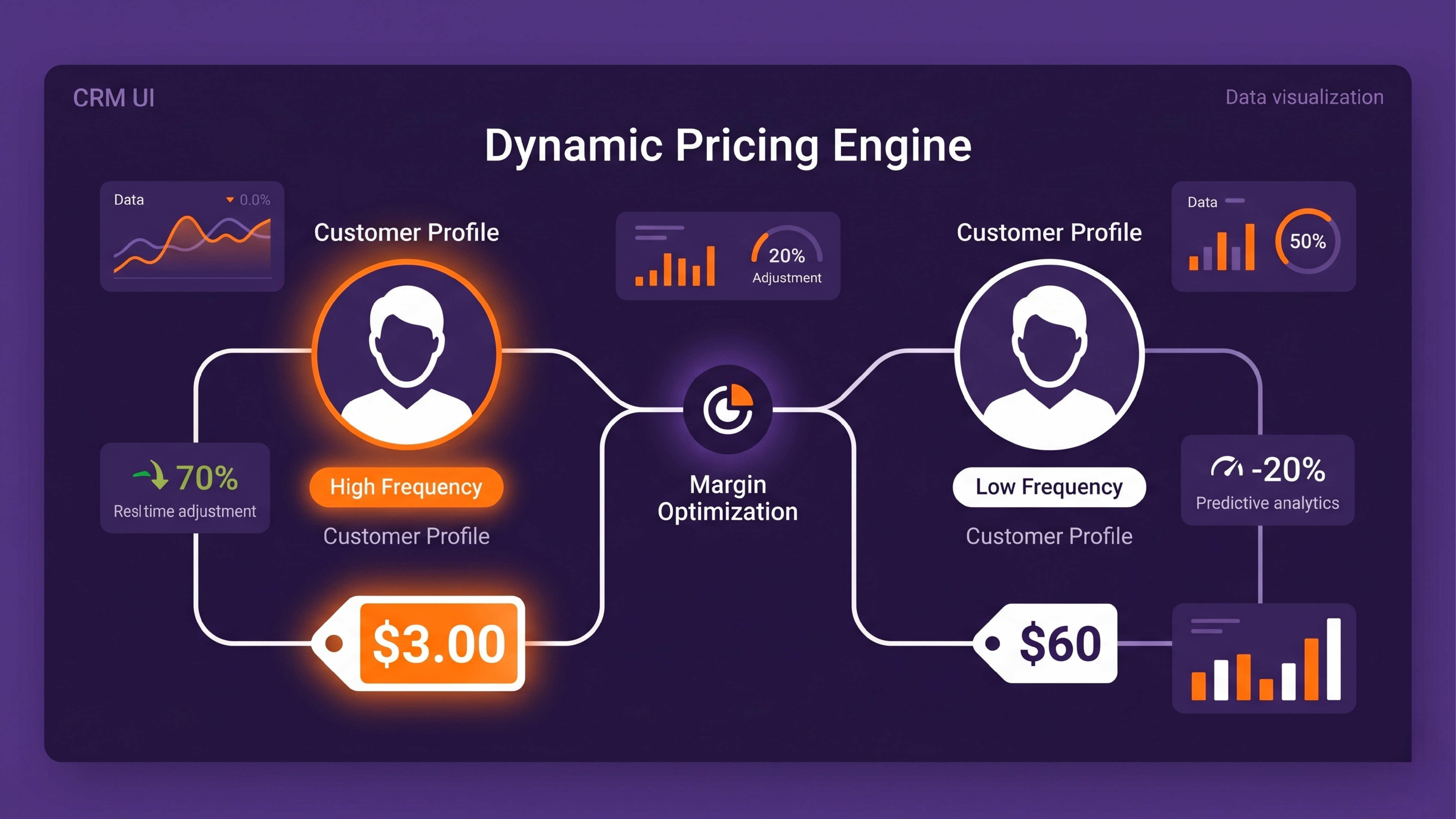
1. Dynamic Pricing
Dynamic pricing involves adjusting prices based on real-time demand and supply. Retailers can use machine learning algorithms to determine optimal prices. For example, a retailer might use machine learning to adjust prices based on inventory levels and customer demand.
2. Personalized Pricing
Personalized pricing involves setting prices based on individual customer behavior and preferences. Retailers can use customer data to offer personalized discounts and promotions. For instance, a retailer might offer a discount to a loyal customer who has not made a purchase in a while to encourage them to return.
3. Promotion Optimization
Promotion optimization involves determining the optimal timing and frequency of promotions. Retailers can use predictive analytics to determine the most effective promotion strategies. For example, a retailer might use predictive analytics to determine the best time to offer a discount to maximize sales volume and customer engagement.
Concrete Example: Price Sensitivity Analysis in Action
Consider a retail chain that sells home appliances. The company decides to conduct a price sensitivity analysis to understand how price changes impact sales volume and customer loyalty. They collect data on sales volumes, customer demographics, and pricing information over a six-month period. Using regression analysis, they find that a 5% increase in the price of a popular product leads to a 10% decrease in sales volume, indicating a high level of price sensitivity. They then conduct A/B testing to determine the optimal price point. By setting a lower price point, the retailer observes a 20% increase in sales volume and a 15% increase in customer loyalty. This example illustrates the importance of price sensitivity analysis in making informed pricing decisions.
Implementation Framework: The Price Sensitivity Optimization Framework (PSOF)
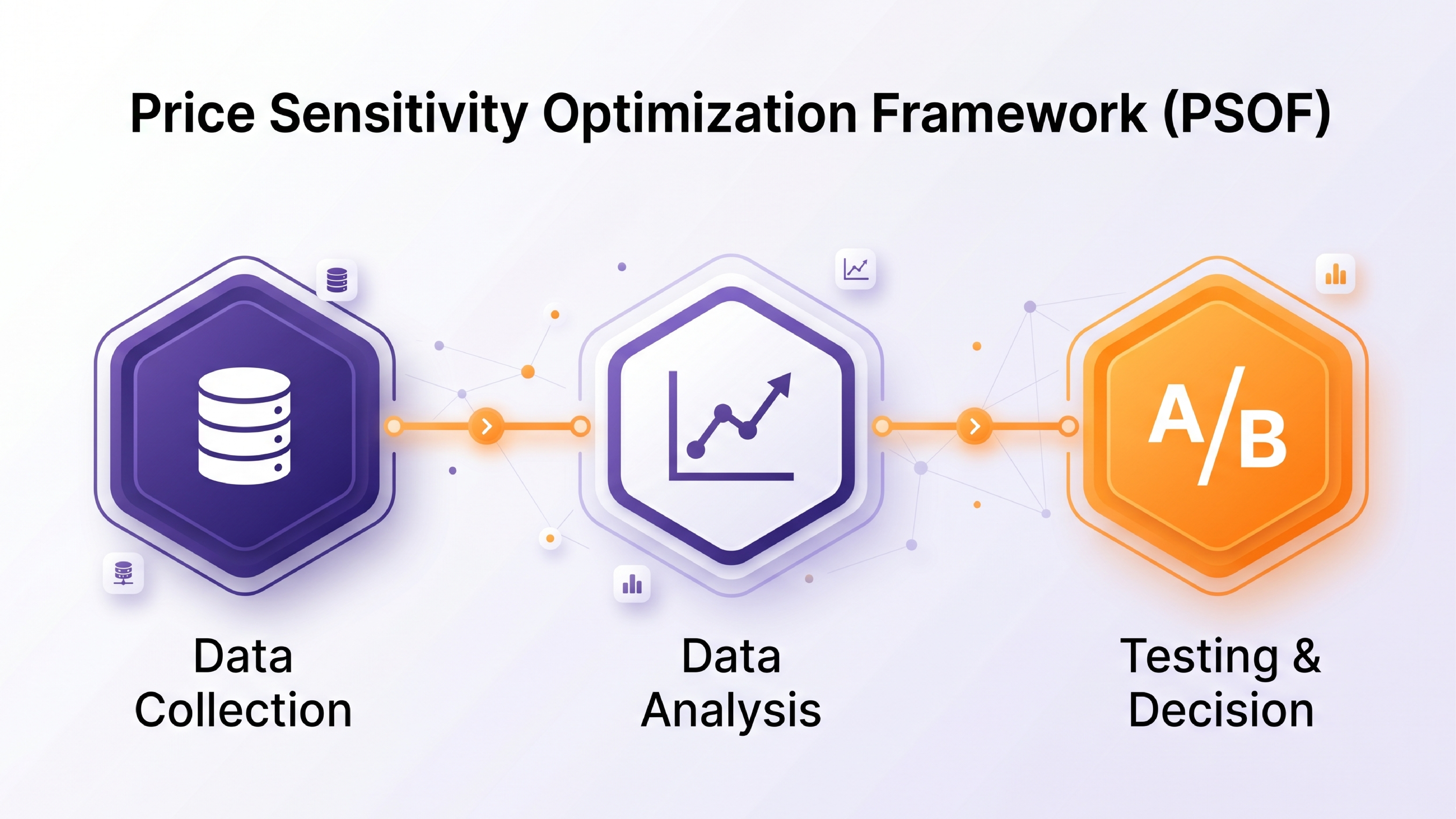
The PSOF framework provides a structured approach to conducting price sensitivity analysis. The framework involves several key steps:
- Data Collection: Gather historical sales data, customer demographics, and pricing information.
- Data Analysis: Use statistical models to identify patterns and trends in customer behavior. Determine price elasticity using regression analysis.
- Price Sensitivity Testing: Experiment with different price points to observe customer reactions. Use A/B testing to determine optimal prices.
- Data-Driven Decision-Making: Use data to inform pricing decisions and optimize retention strategies. Implement dynamic pricing, personalized pricing, and promotion optimization.
By following the PSOF framework, retailers can effectively identify and mitigate price sensitivity issues, ensuring sustainable growth and maximizing revenue and profit.
Common Mistakes to Avoid
Common mistakes to avoid include overreliance on AOV, lack of data-driven decision-making, and failure to segment customers. Retailers must avoid these mistakes to ensure sustainable growth.
Results / What Success Looks Like
Successful retailers see a 30% increase in customer lifetime value and a 20% reduction in customer acquisition costs. Retailers can achieve these results by implementing the Price Sensitivity Optimization Framework (PSOF).
Key Takeaway: Indian retailers who focus on frequency over AOV see a 40% increase in customer lifetime value. Prioritize frequency to protect margins and reduce customer acquisition costs.