
For a retail enterprise, CRM segmentation is not merely a way to organize a database; it is the engine that drives personalized customer experiences and, ultimately, incremental revenue. However, as retail landscapes evolve and data volumes explode, segments that were effective two years ago often become the silent killers of marketing ROI today.
Many CRM heads find themselves managing “zombie segments” – cohorts that look active on paper but fail to drive meaningful behavioral shifts. When your engagement rates plateau despite increasing campaign frequency, the problem rarely lies in the creative; it lies in the foundational logic of how you categorize your customers.
An effective retail CRM audit isn’t just about cleaning data; it’s about identifying where your segmentation logic has diverged from actual consumer behavior. In the context of Indian retail where festive surges, high-frequency grocery habits, and high-value fashion cycles coexist, generic segmentation is a liability.
Here are the five critical red flags that indicate your current CRM segmentation strategy needs an immediate overhaul.
1. Over-Reliance on Static Demographics
If your primary segments are still defined by “Female, 25–35, Tier 1 City,” your CRM strategy is operating on guesswork. While demographics provide a baseline, they do not predict intent.
In modern retail, a 25-year-old in Mumbai and a 50-year-old in Bengaluru may share identical purchasing patterns in specific categories.
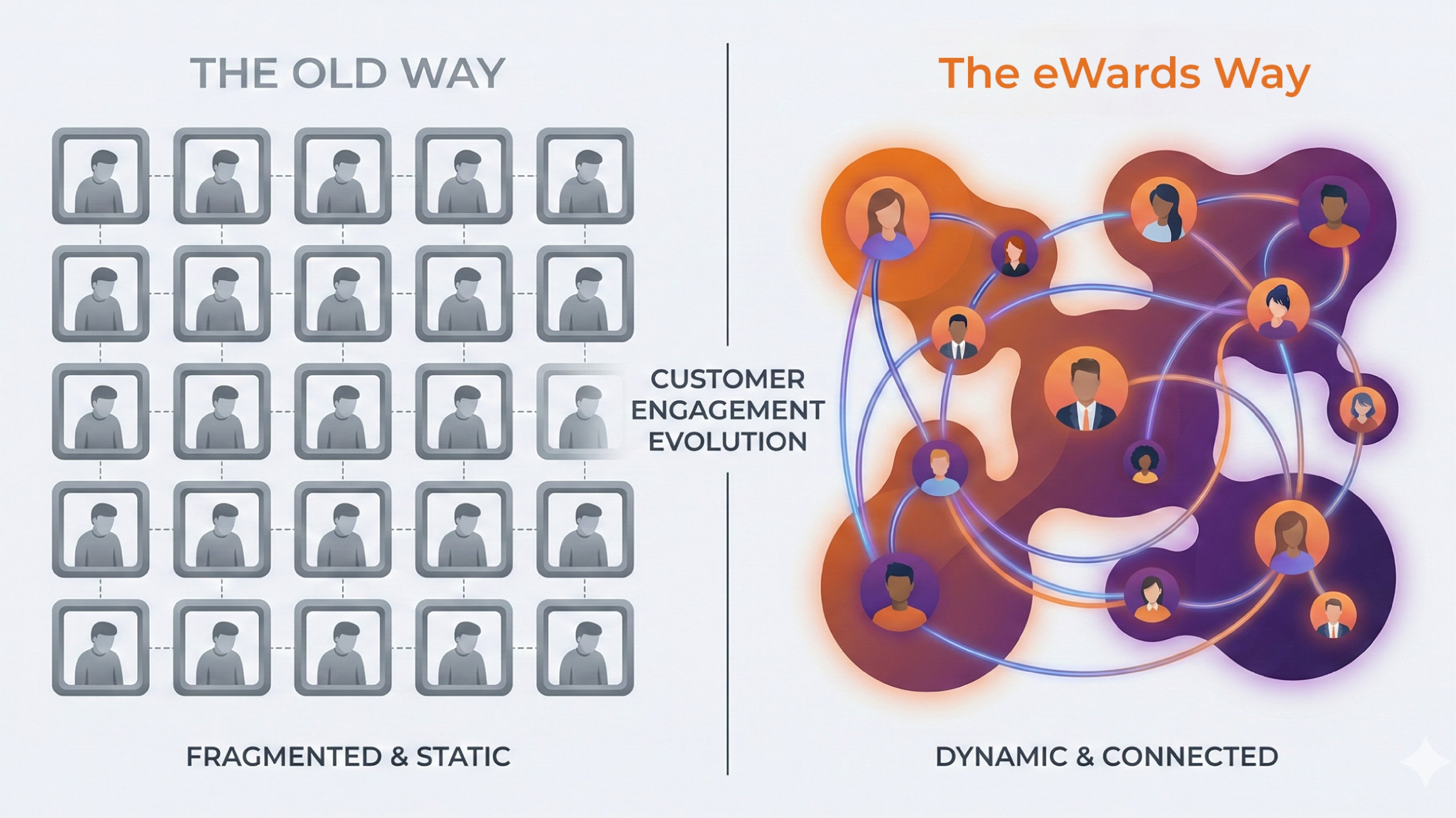
The eWards Perspective: Move toward behavioral clustering. A “high-value occasional spender” is a more actionable segment than a “millennial male.” If your segments don’t account for purchase frequency, average order value (AOV), or category affinity, you are likely wasting ad spend on irrelevant messaging.
2. The “One-Size-Fits-All” Retention Loop
A major red flag during a retail CRM audit is seeing the same “we miss you” discount sent to every customer who hasn’t shopped in 30 days. This ignores the natural purchase cycle of different products. A customer who buys luxury watches doesn’t need a reminder in 30 days, whereas a skincare customer might.
Why it matters: Applying the same lapse-logic across all categories leads to “discount addiction” or, worse, unsubscribes. Your CRM must distinguish between a customer who is actually churning and one who is simply between natural purchase cycles.
3. Ignoring Channel Preference and Response Data
Is your segmentation purely based on what they bought, ignoring how they engage? If you are sending SMS links to a cohort that only interacts via WhatsApp or your mobile app, your segmentation is incomplete.
The Insight: A sophisticated customer data audit often reveals that a “dormant” segment is actually quite active just not on the channel you’re forcing them to use. Segmentation must include “channel DNA” to ensure high deliverability and engagement.
4. Lack of Lifecycle-Based Trigger Logic
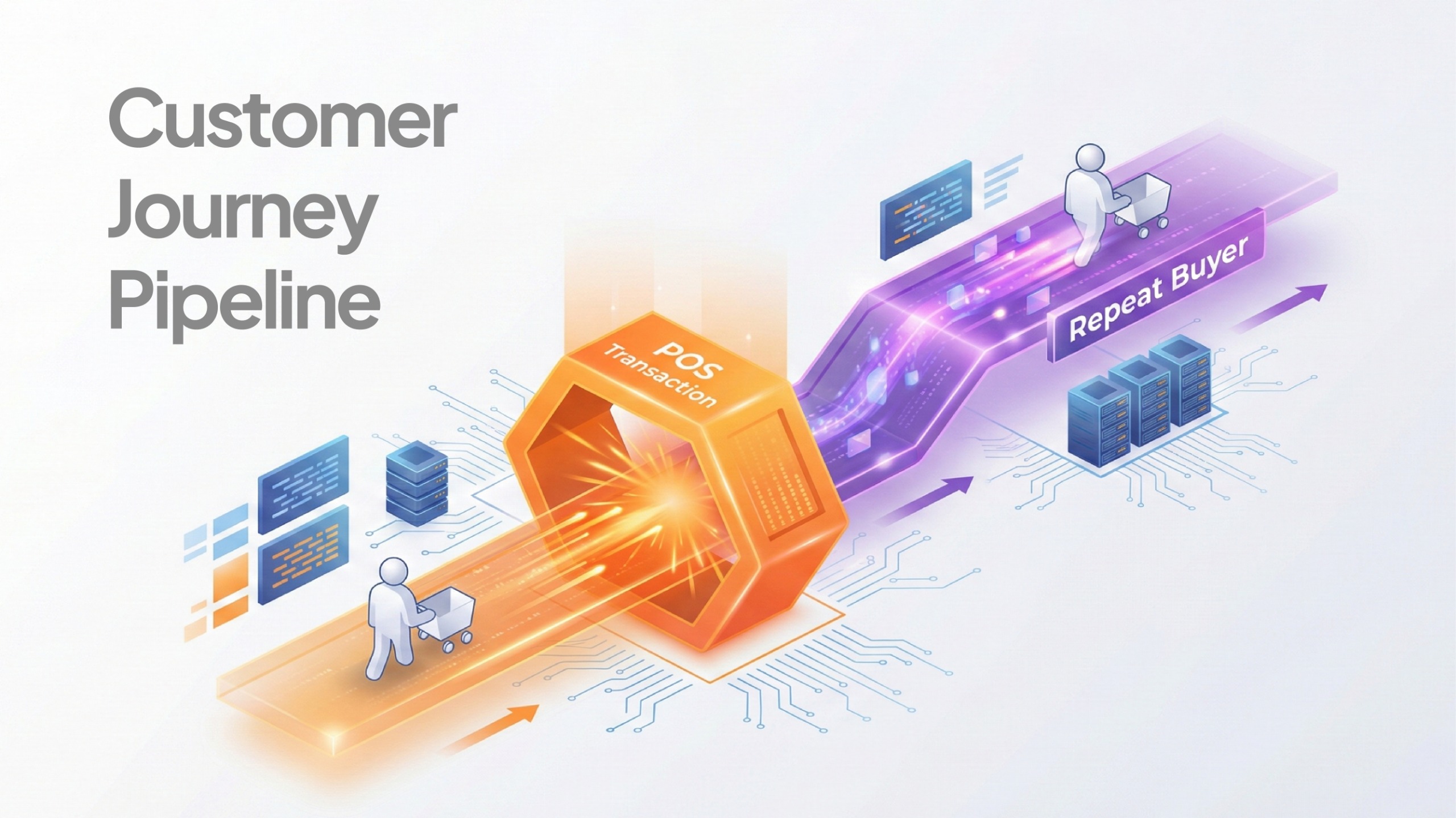
If your segments are static lists refreshed once a month, you are missing the “golden window” of engagement. Real-world retail happens in real-time. A red flag is the absence of automated triggers that move a customer from a “new user” segment to a “repeat buyer” segment the moment that second transaction hits the POS.
The Risk: Without dynamic movement between segments, you risk sending “Welcome” offers to people who have already become regulars, creating a fragmented and unprofessional brand experience.
5. High “Uncategorized” or “Unknown” Data Buckets
During a retail CRM audit, if more than 20% of your active database falls into an “others” or “uncategorized” bucket, your data collection at the POS or online checkout is failing. In the Indian enterprise context, where omnichannel journeys are the norm (browsing online, buying offline), fragmented data leads to “ghost segments” or customers who appear as new users every time they switch touch points.

Why This Matters for Retail Enterprises
In the current fiscal climate, the cost of customer acquisition (CAC) is skyrocketing. Retailers in India are currently moving out of heavy festive cycles and into a phase of “optimization and review.” This is the time to focus on Life-Time Value (LTV). Global benchmarks suggest that brands using advanced behavioral segmentation see a 3x lift in conversion compared to those using demographic-only models. If your CRM isn’t identifying your “VIPs” versus your “Discount Hunters,” you are likely over-incentivizing the wrong people and under-valuing your best advocates.
Actionable Takeaway
A healthy CRM is a moving target. To fix these red flags, start by auditing your RFM (Recency, Frequency, Monetary) clusters. Ensure your segments are dynamic (updating in real-time), multidimensional (combining behavior + intent), and omnichannel (tracking the journey, not just the transaction).
Subscribe for Smarter, Data-Driven CRM Insights
Ready to elevate your CRM strategy with smarter testing? Subscribe to our newsletter for expert insights on AI-driven CRM optimization for improved customer engagement and ROI.