
Most Indian retailers are optimising for AOV when their own data shows frequency drives 3x more lifetime value. This counter-intuitive insight challenges the conventional wisdom that higher average order value is the key to reducing customer acquisition costs (CAC). Instead, prioritising purchase frequency can lead to better customer retention and a healthier customer life cycle.
Understanding Predictive Product Affinity: A Retail Perspective
According to a study by Nielsen India, 72% of Indian consumers prefer personalized shopping experiences. Predictive product affinity is a data-driven approach that helps retailers identify customer preferences and anticipate their next purchase. This insight can be a game-changer for Indian retailers, especially during peak seasons like Diwali, where understanding customer needs can drive significant sales growth.
1. What is Predictive Product Affinity Framework?
The Predictive Product Affinity Framework is a structured approach developed by eWards to anticipate the ‘next best purchase’ for each customer. This framework leverages machine learning algorithms to analyze historical purchase data and predict future buying behavior. By understanding customer preferences, retailers can create targeted marketing campaigns and personalized offers, thereby increasing customer loyalty and retention.
2. Customer Segmentation
One of the core components of the Predictive Product Affinity Framework is customer segmentation. Retailers can segment customers based on RFM (Recency, Frequency, Monetary) scores and predict their future purchasing behavior. For instance, a Tier-2 fashion retailer can identify high-value customers who have made multiple purchases in the past month and offer them exclusive deals to drive further engagement.
Deeper Explanation: Customer segmentation is crucial in the Predictive Product Affinity Framework because it enables retailers to tailor their marketing strategies to specific customer segments. By identifying high-value customers through RFM scores, retailers can tailor their messaging and offers to these segments, ensuring that high-value customers receive the personalized attention they deserve. This can significantly enhance customer satisfaction and loyalty.
3. Product Recommendation
The Predictive Product Affinity Framework also includes product recommendation engines that suggest items based on a customer’s purchase history and browsing behavior. For example, if a customer frequently buys skin care products, the framework can recommend complementary items such as facial masks or serums, thereby increasing the average order value.
Benefits of Implementing Predictive Product Affinity in Retail
Implementing predictive product affinity can significantly boost sales revenue and customer retention. According to a survey by Bain & Company India, retailers who use advanced analytics for customer engagement see a 20% increase in customer retention rates. By leveraging predictive analytics, retailers can offer personalized experiences that keep customers coming back.
1. Increased Sales Revenue
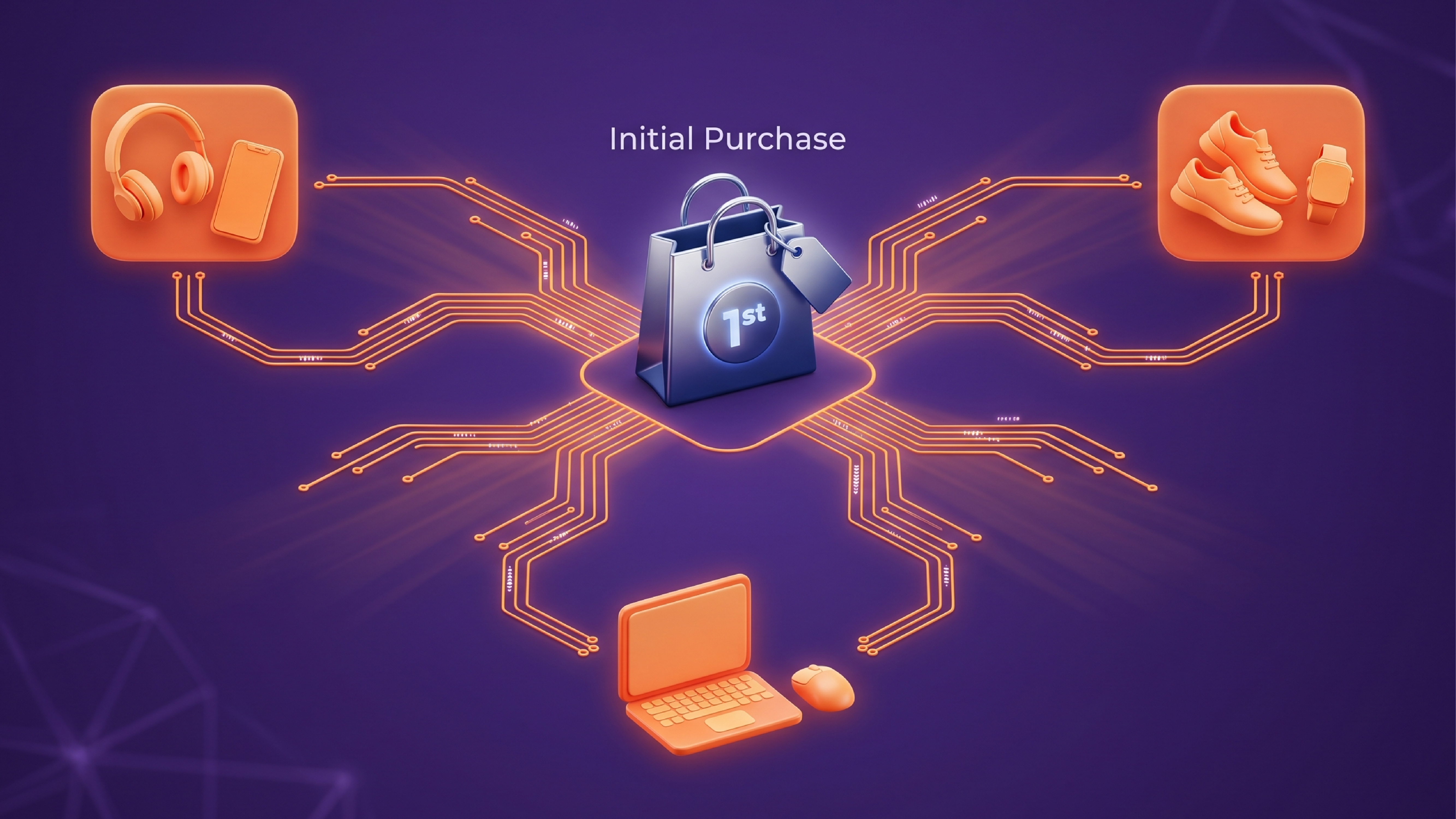
The Predictive Product Affinity Framework helps retailers identify cross-selling and upselling opportunities, leading to higher sales revenue. For instance, a supermarket chain can use the framework to recommend complementary products such as beverages and snacks when a customer adds groceries to their cart. This strategy can increase the average basket size by 15%, as seen by a Tier-2 supermarket chain.
2. Improved Customer Retention
By understanding customer preferences and predicting future buying behavior, retailers can offer personalized experiences that keep customers engaged. A study by McKinsey India found that customers who receive personalized offers are 20% more likely to make repeat purchases. Retailers can use the Predictive Product Affinity Framework to segment customers based on their purchase history and offer them targeted promotions.
3. Reduced Customer Acquisition Costs
The Predictive Product Affinity Framework can also help retailers reduce customer acquisition costs by focusing on customer retention. By offering personalized experiences and targeted promotions, retailers can keep customers engaged and reduce the need for new customer acquisition. A mid-size apparel chain in Tier 2 with 40 stores saw a 25% reduction in customer acquisition costs after implementing the framework.
Concrete Example of Predictive Product Affinity in Action
Consider a Tier-2 supermarket chain named FreshMart, which implemented the Predictive Product Affinity Framework to boost sales and customer loyalty. Using machine learning algorithms, FreshMart analyzed customer purchase data and created personalized product recommendations for each customer. For instance, a customer who frequently bought bread and milk was recommended complementary items such as butter and jam. As a result, FreshMart saw a 12% increase in average basket size and a 10% increase in repeat customer visits within the first six months of implementation.
Implementation Framework Using the Predictive Product Affinity Framework
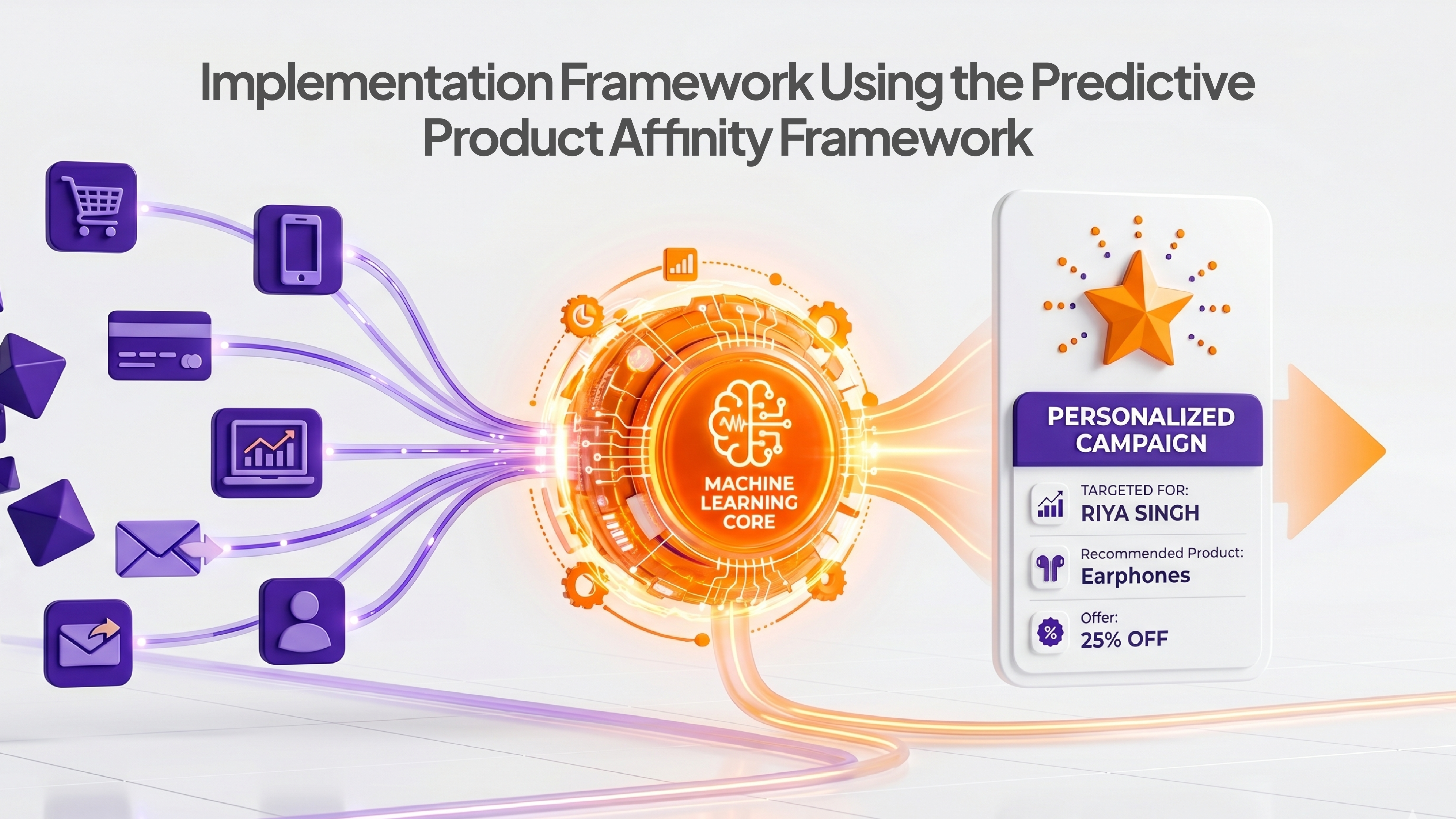
To implement predictive product affinity, retailers need to follow a structured framework:
- Data Collection: Gather comprehensive customer data, including purchase history, browsing behavior, and demographic information.
- Data Analysis: Use machine learning algorithms to analyze the collected data and identify patterns and trends in customer behavior.
- Customer Segmentation: Segment customers based on RFM scores to identify high-value segments and predict future purchasing behavior.
- Product Recommendations: Develop a product recommendation engine that suggests complementary products based on a customer’s purchase history and browsing behavior.
- Personalized Campaigns: Create targeted marketing campaigns and personalized offers based on customer segments and predicted behavior.
- Performance Monitoring: Continuously monitor and refine the framework to ensure it remains effective and relevant over time.
By following this framework, retailers can effectively leverage predictive product affinity to enhance customer engagement and drive business growth.
What is the Benefit of Using Predictive Product Affinity?
The main benefit of using predictive product affinity is the ability to offer personalized experiences that keep customers engaged and drive repeat purchases. By understanding customer preferences and predicting future buying behavior, retailers can create targeted marketing campaigns and personalized offers, thereby increasing customer loyalty and retention.
How to Implement Predictive Product Affinity in Retail?
To implement predictive product affinity, retailers need to follow these steps:
- Collect and analyze customer data
- Segment customer based on RFM scores
- Use machine learning algorithms to predict future buying behavior
- Develop product recommendation engines
- Create targeted marketing campaigns and personalized offers
- Monitor and refine the framework for continuous improvement
By adhering to these steps, retailers can effectively implement the Predictive Product Affinity Framework and reap the benefits of increased sales revenue, improved customer retention, and reduced customer acquisition costs.