
Thinking Diwali sales end with the fireworks is a costly mistake; the real battle begins when shoppers leave the checkout line. Most retailers watch traffic drop and assume the festival was a one‑off boost, but the tension lies in turning that fleeting excitement into lasting loyalty. Knowing How to Keep Diwali shoppers coming back means planning the days after the lights go out.
Personalized Post‑Festival Journeys
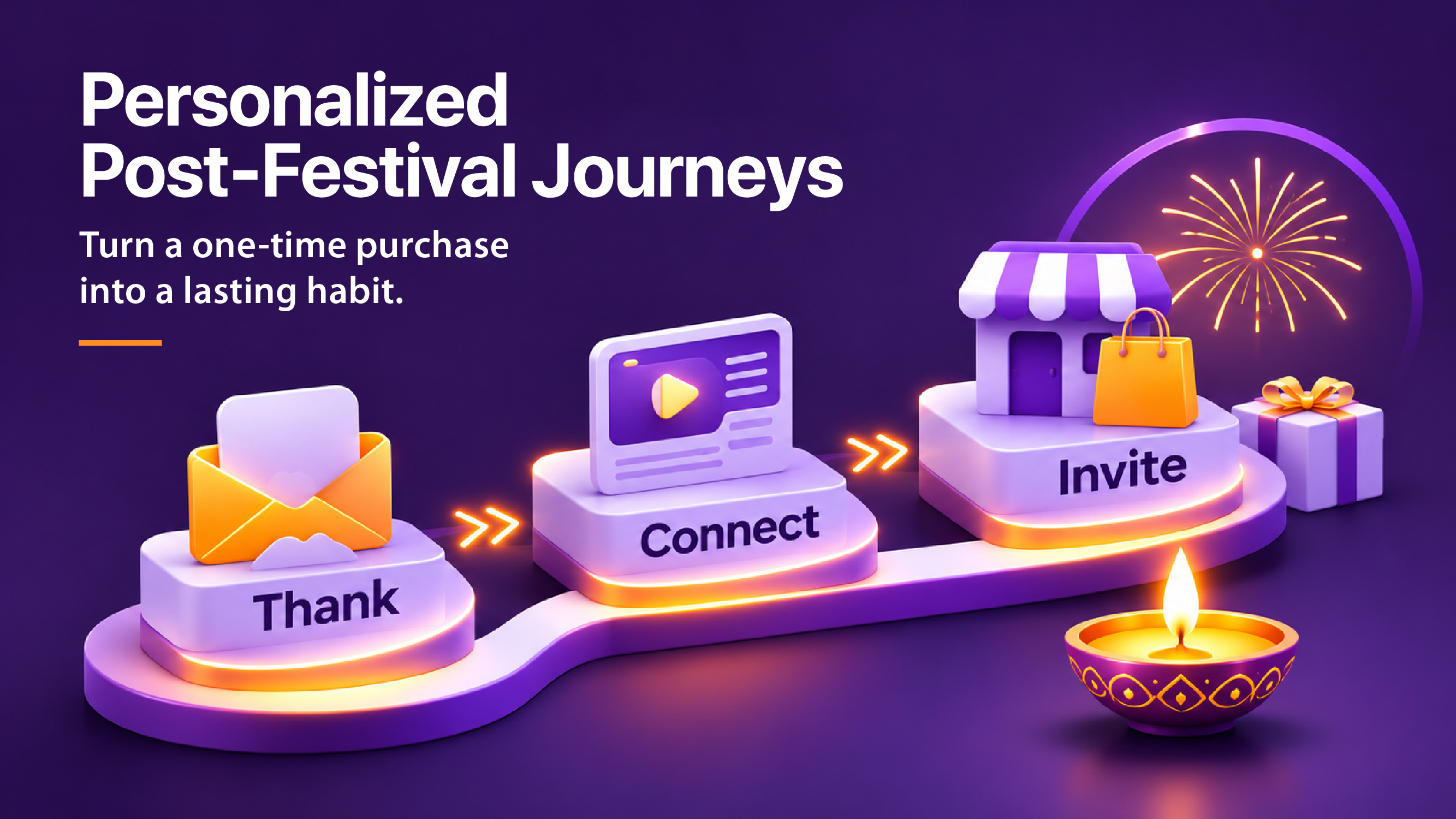
Personalized journeys turn a Diwali impulse into a habit by reaching each shopper with the right message after the lights go out. A quick thank‑you note, followed by a relevant offer that mirrors what they bought, keeps excitement alive and nudges them back.
- Map the shopper’s path from checkout to next visit
Start with the receipt. What category did the customer buy? That single data point tells you what they care about now and what they might need next.
Imagine a buyer of decorative lamps receives a thank‑you message within a day and a week later a suggestion for matching wall art. Each touchpoint feels like a continuation of the Diwali story.
A chocolate buyer gets a reminder about a new flavor launch or loyalty boost a few days later—aligned with the original delight.
A kitchen‑gadget purchaser receives a quick recipe video, then an invite to a cooking demo, turning the product into an experience.
These follow‑ups must be triggered by the actual purchase, not a calendar date. Automation can pull the purchase tag from the POS and queue the right message.
Set up three simple stages:
- Thank: a brief note acknowledging the purchase and wishing a happy post‑Diwali.
- Connect: content that adds value, such as a tip, recipe, or style guide related to the purchase.
- Invite: a low‑pressure offer encouraging the next visit, like a loyalty boost or preview of a new collection.
Space each stage a few days apart to respect the shopper’s time while staying top of mind.
Timing matters more than channel. Test when customers are most receptive and align send times accordingly.
Personalization also means speaking their language. If they bought a traditional saree, weave in cultural references and festive wishes. Avoid corporate jargon; keep it warm.
Automation does not erase the human touch. Use the customer’s name, reference the exact product, and add a friendly advice line.
Close the loop by asking for feedback. A simple “Did you enjoy your new lamp?” shows care and opens future engagement.
In the weeks after Diwali, shoppers look for post‑festival deals. A ready‑made journey nudges them toward the next purchase before they drift to competitors.
Watch for three signs your journey is working:
- Engagement: messages opened and links clicked.
- Return visits: footfall rising after follow‑ups.
- Cross‑sell: shoppers buying related items.
If signals fade, revisit timing, relevance, or tone. Small tweaks revive the flow.
Embed the “How to Keep Diwali” mindset into your CRM calendar. Mark the day after the festival as the start of the post‑festival journey, not the end of the sales cycle.
Action: Audit your POS data for the last Diwali, map the top three product categories, and set up an automated three‑stage message flow for each, launching the day after the festival.
Deepening the Diwali Retention Loop: To embed this approach systematically, create a “Diwali Retention Loop” within your CRM. The loop consists of four interconnected phases—Capture, Celebrate, Nurture, and Re‑Engage. Capture records the purchase data in real time. Celebrate sends the thank‑you note within 24 hours, using festive graphics that echo the brand’s Diwali theme. Nurture delivers the value‑add content (tips, recipes, style guides) on days 3 and 7, each piece tagged with a micro‑goal (e.g., watch a video, click a link). Re‑Engage triggers the low‑pressure offer on day 10, with a clear call‑to‑action that leads back to the store or e‑commerce site. By visualising the loop as a circular flow, teams can see at a glance where a shopper is and what the next step should be, ensuring no customer falls through the cracks.
Loyalty Programs Re‑imagined for Diwali
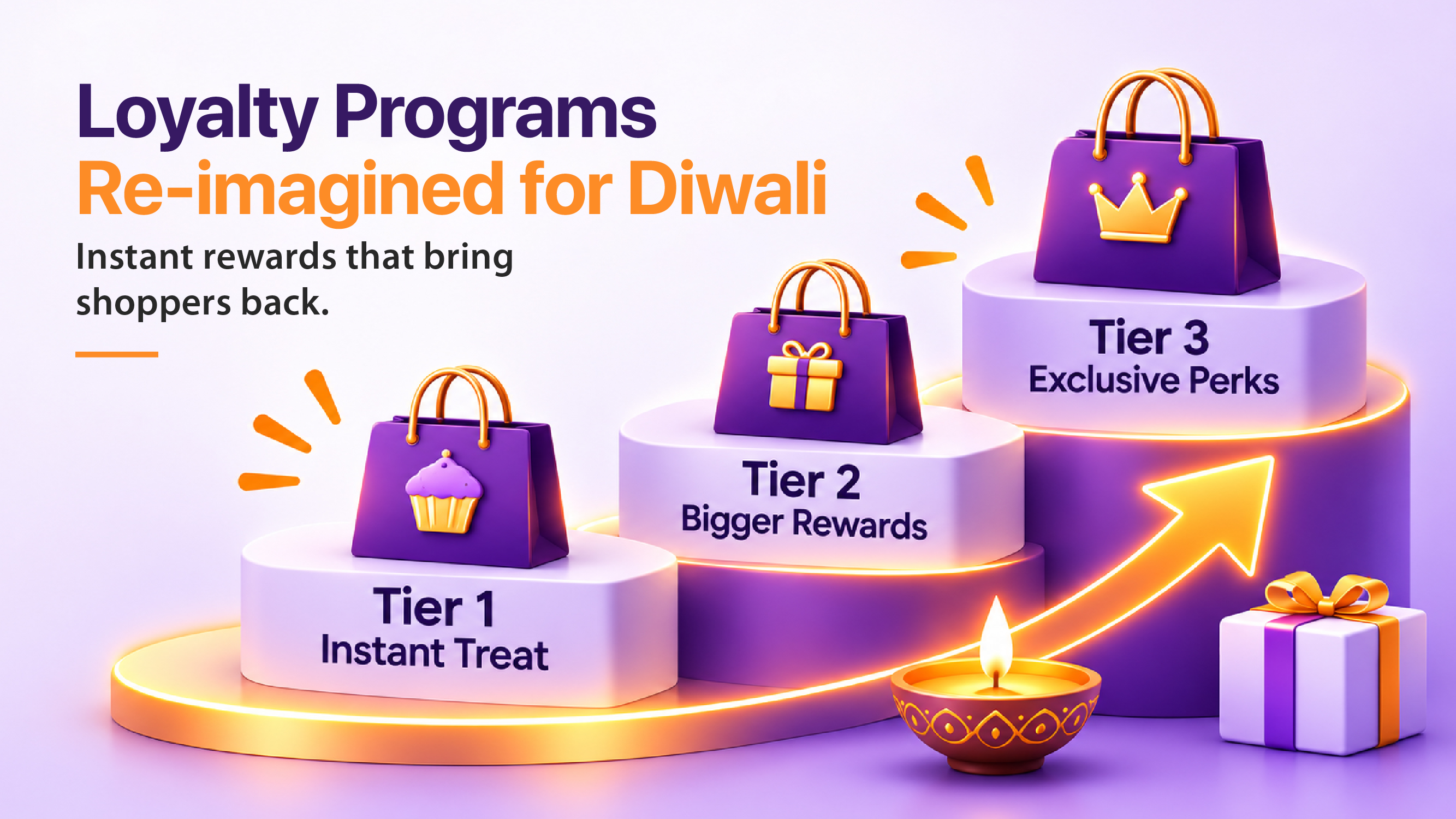
A loyalty program that gives shoppers a quick win right after they splurge keeps excitement alive and pulls them back. Tie the reward to the amount spent and let them use it on the next visit, with no waiting period.
How to Build the Tiered Instant‑Reward Loop
- Map the typical Diwali basket and decide the spend level that unlocks the first reward.
- Design a points bucket that fills as the bill grows, making the first tier redeemable at the next checkout.
- Add a higher tier that becomes available only after the first reward is used, encouraging a second visit quickly.
- Communicate the reward instantly via SMS or WhatsApp with a clear “Show this message at the store to claim” line.
- Train staff to recognize the reward code and apply it without delay, turning redemption into a celebratory moment.
Imagine a shopper who bought rangoli powders, diyas, and a kurta. As the receipt prints, a screen flashes: “You’ve earned a festive treat – claim a free dessert on your next visit.” The shopper plans a quick stop at the store’s café later in the week.
This instant‑reward tier leverages the same emotional high that drove the Diwali purchase. A free treat feels like an extra sparkle on the celebration, preventing the post‑festival lull.
To operationalise the tiered loop, follow these additional steps:
- Define reward thresholds: Use the average basket size from the previous Diwali season to set realistic spend levels that feel generous yet sustainable.
- Integrate with POS: Ensure the POS can read the transaction amount in real time, calculate the earned tier, and automatically generate a QR code or alphanumeric reward that the cashier can print.
- Design visual cues: Create a festive badge that appears on the receipt and in the digital confirmation, using colors and motifs associated with Diwali (e.g., deep blues, gold sparkles, lantern icons).
- Staff empowerment: Conduct a short role‑play session before the festival ends, where employees practice greeting the customer, presenting the reward, and suggesting a next‑step activity (e.g., “Enjoy your dessert and check out our new winter collection while you’re here”).
- Measure and iterate: Track redemption rates, average days between purchase and redemption, and subsequent basket value. Use this data to fine‑tune the spend thresholds for the next year’s program.
Picture this: a family returns two days later, presents the QR code, and is greeted by a staff member who not only redeems the dessert but also offers a complimentary tasting of a new festive snack. The family feels recognised, the dessert reinforces the positive memory, and the snack introduction plants the seed for a future purchase.
By coupling the instant‑reward with a subtle cross‑sell moment, the loyalty program becomes a conduit for both retention and incremental sales, turning the post‑Diwali period into a fertile ground for growth rather than a dead zone.
Frequently Asked Questions
1. How can we create a lasting Diwali experience that encourages shoppers to return after the celebrations?
Design a post‑Diwali loyalty program that rewards repeat visits, such as a “Diwali Return Pass” offering exclusive previews of upcoming seasonal lines. Pair this with personalized email reminders that highlight new products aligned with the shopper’s past purchases, fostering a sense of ongoing celebration.
2. What merchandising strategies can keep the festive atmosphere alive in-store long after Diwali?
Rotate Diwali‑themed displays into a “Festive Fusion” section featuring contemporary home décor and fashion, keeping the visual appeal fresh. Use subtle lighting cues and scent marketing to evoke the warmth of Diwali, making the space feel inviting for future visits.
3. How can we leverage digital channels to maintain shopper engagement after the holiday?
Launch a “Diwali Memories” social media campaign encouraging customers to share their celebrations using a branded hashtag, and curate user‑generated content into a dedicated online gallery. Offer exclusive digital coupons for the next shopping season to those who participate, creating a bridge between the holiday and future purchases.
4. What role does customer service play in ensuring repeat Diwali shoppers?
Train staff to provide personalized post‑Diwali support, such as gift‑wrapping recommendations for upcoming events or assistance with returns and exchanges. Prompt, empathetic service builds trust, turning a one‑time festive buyer into a loyal patron.
5. How can we use data insights from Diwali sales to attract shoppers back during the off‑season?
Analyze purchase patterns to identify top‑selling categories and customer preferences, then curate targeted product bundles that align with those insights. Communicate these tailored selections through email and in‑store signage, showing shoppers that the brand understands their evolving tastes.
The true value of Diwali lies not in the fireworks but in the conversations that follow the checkout. By mapping each purchase to a personalized, timely journey, retailers can transform a single festive impulse into an ongoing relationship that keeps shoppers coming back long after the lights have dimmed.