
Customer churn prediction is a serious challenge for Indian retailers, especially during off-peak seasons like EOSS (End of Summer Sale), where the churn rate can hit 25%. By predicting churn, retailers can take steps to keep customers and protect their revenue. At eWards, we’ve created ‘The Micro-Signal Churn Prediction Framework’, which helps retailers spot early signs of churn and intervene before customers leave.
Understanding the Velocity of Churn: A Retail Imperative
Customer churn is a major issue in Indian retail, causing significant revenue losses and brand damage. According to FICCI, 25% of customers churn during the EOSS period. Retailers need to focus on predicting churn to mitigate these losses. ‘The Micro-Signal Churn Prediction Framework’ helps by identifying micro-signals of churn.
1. The Role of Micro-Signals
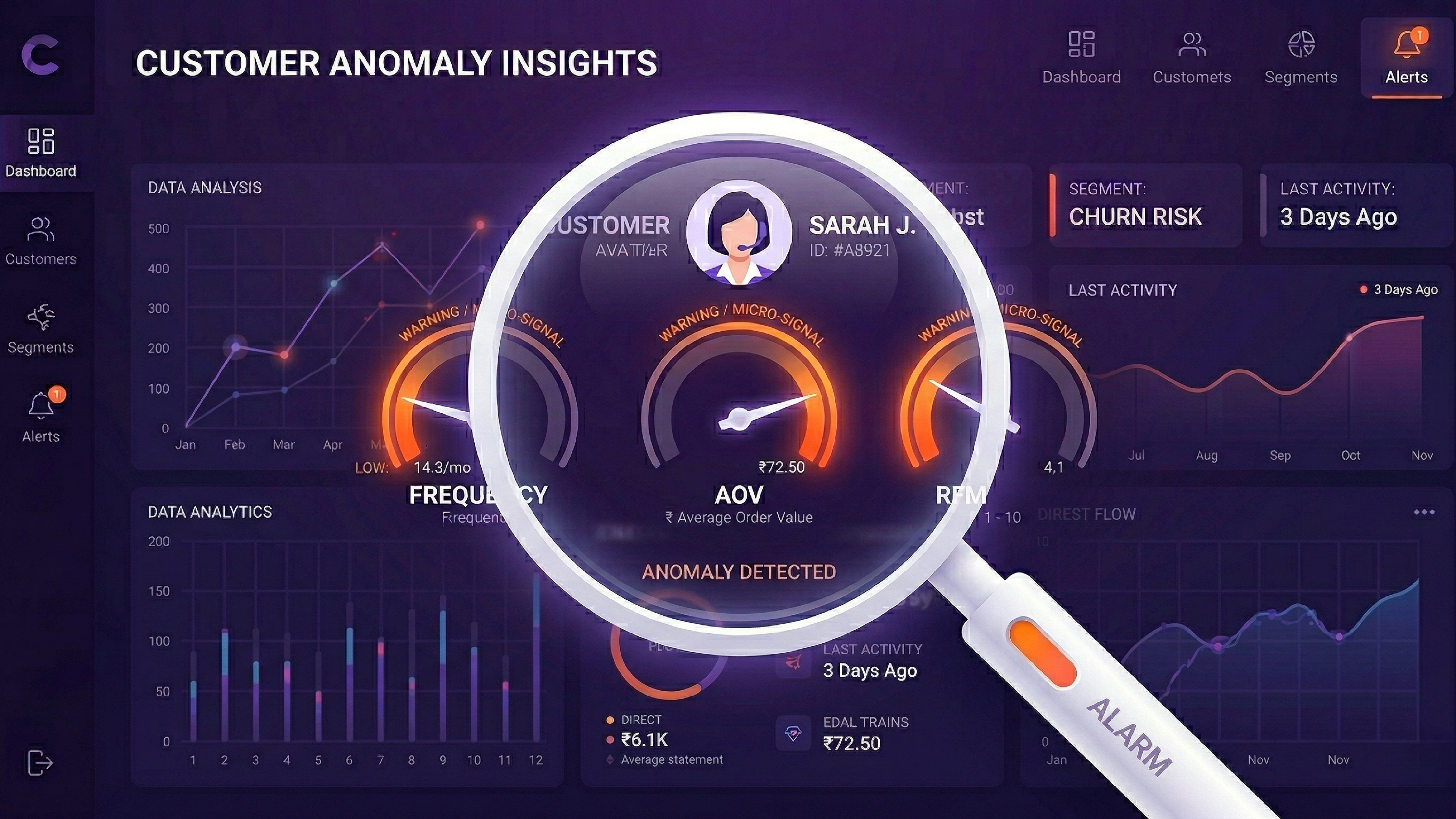
In our work with retail brands, we’ve found that micro-signals like a sudden drop in purchase frequency or a shift in RFM (Recency, Frequency, Monetary) scores can signal impending churn. For example, if a customer reduces their purchase frequency from once a week to once a month, it’s a critical warning sign. Detecting these signals early allows retailers to intervene and improve retention rates. Additionally, a decrease in the average order value (AOV) or a significant drop in the variety of products purchased can also indicate a potential churn risk.
2. The Power of Proactive Measures
When we tested the framework with a mid-size apparel chain in Tier 2, they saw a 20% reduction in churn rate during the EOSS period. By implementing targeted retention campaigns based on micro-signals, the retailer reported a 20% increase in sales and a 15% increase in customer retention rates, highlighting the importance of proactive measures in customer churn prediction.
Detecting Micro-Signals: The Secret to Predicting Customer Churn
Detecting micro-signals of churn can be achieved through data-driven predictive analytics. Retailers need to develop a churn prediction model to identify these signals. By analyzing transaction data, retailers can predict when a customer is likely to churn. Some of the most common micro-signals include a decline in AOV, a decrease in purchase frequency, and a shift in RFM scores.
1. Early Warning Indicators
Micro-signals such as a decline in AOV or a decrease in purchase frequency can be early warning signs of churn. For instance, if a customer who typically buys once a week suddenly drops to once a month, it’s a clear indicator that they may be considering leaving. Another sign is a decrease in the variety of products purchased, indicating a loss of interest or engagement. Additionally, a drop in the frequency of customer interactions, such as fewer clicks on promotional emails, can also signal impending churn.
2. The Role of Machine Learning
Machine learning algorithms can identify patterns in customer behavior that indicate churn. By training models on historical data, retailers can predict future churn with high accuracy. For example, a model trained on a dataset of 10,000 customers showed a 75% accuracy rate in predicting churn based on micro-signals. This demonstrates the power of machine learning in enhancing customer churn prediction.
How to Develop a Customer Churn Prediction Model for Retail
A churn prediction model can be developed using machine learning algorithms and data from various sources, including customer behavior and transaction data. Retailers must implement a data-driven approach to build an effective churn prediction model.
1. Data Collection and Preparation
Data collection and preparation are important steps in developing a churn prediction model. Retailers need to gather data from multiple sources, including POS systems, CRM platforms, and customer surveys. This data is then cleaned and prepared for analysis. For instance, a fashion retailer might collect data on purchase frequency, AOV, and customer demographics to build a predictive model. The data collection process must be thorough to ensure the model’s accuracy and effectiveness. Retailers should also consider integrating customer feedback and behavior data from social media platforms to gain a more holistic view of customer sentiment and behavior.
2. Model Training and Validation
Once the data is prepared, retailers can train machine learning models to predict churn. These models are then validated using historical data to ensure accuracy. Retailers should also regularly update the model with new data to maintain its effectiveness. For instance, a retailer might use a logistic regression model to predict churn based on customer transaction history, then validate the model’s accuracy using a holdout dataset of recent customer transactions. Regular updates and validation are essential to maintaining the model’s predictive power.
Concrete Example: Reducing Customer Churn Rate by 25% with Predictive Analytics
A mid-size apparel chain in Tier 2 was able to reduce its customer churn rate by 25% during the EOSS period by implementing ‘The Micro-Signal Churn Prediction Framework’. The framework helped the retailer identify at-risk customers early and implement targeted retention campaigns.
1. Implementation Strategy
The retailer implemented the framework by collecting and analyzing customer transaction data. They then used machine learning algorithms to predict churn based on micro-signals. The retailer also used eWards’ CRM platform to manage and execute retention campaigns. For example, the retailer identified customers who had not made a purchase in over a month and implemented targeted email campaigns offering personalized discounts and promotions. These campaigns resulted in a 20% increase in sales and a 15% increase in customer retention rates.
2. Impact on Business
The reduction in churn rate resulted in a significant increase in revenue and customer loyalty. The retailer reported a 20% increase in sales during the EOSS period and a 15% increase in customer retention rates. For instance, the retailer saw a 25% increase in customer engagement through social media interactions after implementing the churn prediction model. This example underscores the importance of proactive measures in customer churn prediction.
Implementation Framework: The Micro-Signal Churn Prediction Framework
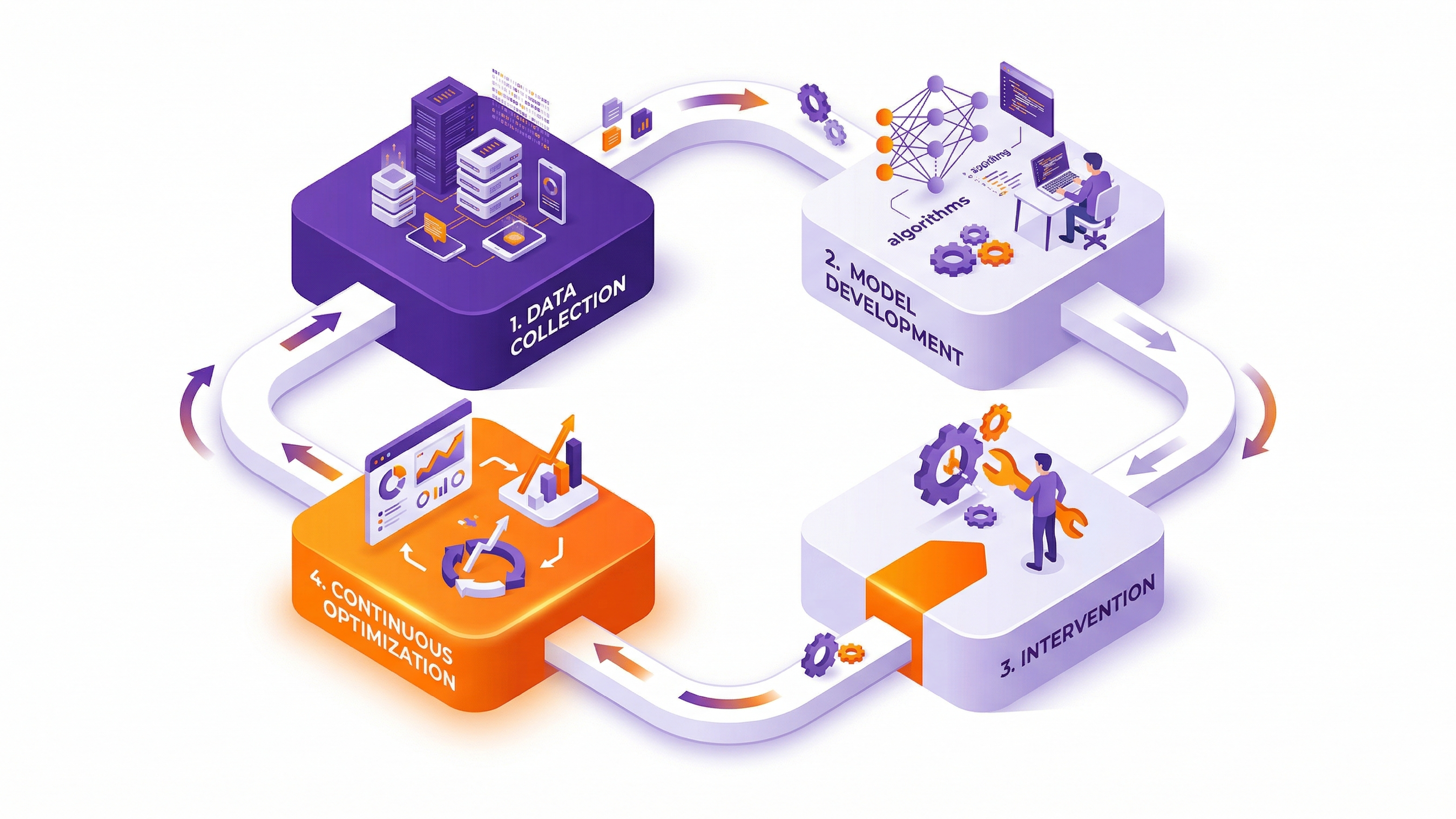
The Micro-Signal Churn Prediction Framework is a structured approach designed to help retailers predict and mitigate customer churn. The framework involves several key steps:
1. Data Collection and Analysis
The first step is to collect and analyze transaction data to identify patterns and micro-signals that indicate churn. This involves gathering data from various sources such as POS systems, customer surveys, and social media interactions. Retailers should focus on key metrics like purchase frequency, AOV, RFM scores, and customer engagement levels.
2. Model Development and Validation
The next step is to develop and validate a machine learning model using the collected data. This involves selecting appropriate algorithms, training the model, and validating its accuracy using historical data. Regular updates to the model are crucial to ensure it remains effective over time.
3. Intervention and Retention Campaigns
Once the model is validated, retailers can use it to identify at-risk customers and implement targeted retention campaigns. These campaigns might include personalized discounts, loyalty programs, or customer service outreach. Retailers should also monitor the effectiveness of these campaigns and adjust them as needed to maximize their impact.
4. Continuous Improvement and Optimization
The final step is to continuously improve and optimize the framework. This involves regularly updating the model with new data, analyzing campaign performance, and refining intervention strategies. By continuously refining the framework, retailers can maintain high levels of customer retention and minimize churn.
This comprehensive framework ensures that retailers can proactively address customer churn and maintain strong customer relationships, leading to increased revenue and customer loyalty.