
Data privacy in marketing is a critical concern for Indian retailers. On one hand, data minimization advocates argue that collecting minimal customer data is the safest approach. On the other hand, some experts believe that strategic data collection is essential to provide personalized customer experiences. The reality lies in finding a balance that protects customer data while enhancing engagement. Retailers must embrace ‘The Data Protection Balance Framework’ to navigate this complex landscape effectively.
Understanding Data Privacy in Marketing: A Retail Imperative
50% of Indian retail executives report struggling to implement effective data protection strategies (Retailers Association of India, 2023). This highlights the urgent need for a robust framework to manage customer data securely and responsibly. Data privacy regulations are a retail imperative, with severe consequences for non-compliance. Retailers must prioritize data privacy to avoid reputational damage and legal repercussions. Ensuring compliance with data privacy laws like the Personal Data Protection Bill is crucial for maintaining customer trust and regulatory compliance.
The Data Protection Balance Framework
‘The Data Protection Balance Framework’ is a holistic approach to data privacy in marketing. It emphasizes the need for retailers to collect only necessary data while ensuring compliance with regulatory requirements. By striking a balance between data protection and customer engagement, retailers can build trust and maintain compliance. The framework consists of three key components: data minimization, privacy by design, and continuous monitoring. These components help retailers manage customer data responsibly and provide a personalized experience without compromising data privacy.
Regulatory Compliance
India’s data protection laws, such as the Personal Data Protection Bill, impose stringent requirements on data collection and processing. Non-compliance can lead to significant financial penalties and reputational damage. Retailers must invest in robust data management systems to ensure compliance with these regulations. For instance, a retailer that fails to comply with the Personal Data Protection Bill may face fines up to 4% of their global turnover, as per the proposed regulations.
Customer Trust and Loyalty
Effective data protection is crucial for maintaining customer trust and loyalty. A survey by Nielsen India found that 65% of customers are willing to share personal data if they feel it’s being used responsibly (Nielsen India, 2023). Retailers must demonstrate their commitment to data privacy to foster long-term customer relationships. For example, a leading electronics retailer in India implemented transparent data usage policies and provided regular updates to customers on how their data is being used. This approach not only increased customer trust but also led to a 15% increase in repeat customer visits within a year.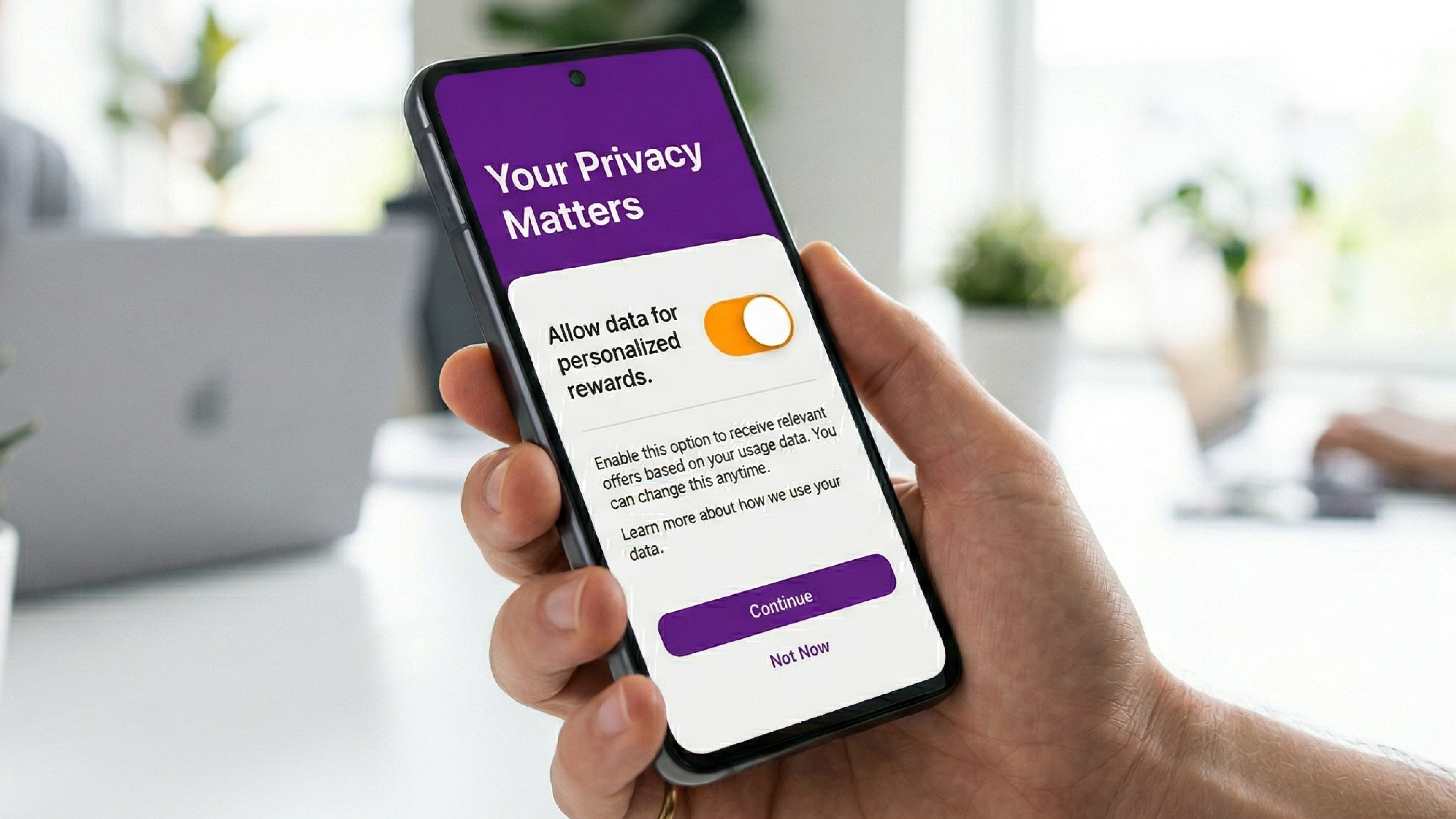
Data Privacy Challenges in Retail: Why It Matters
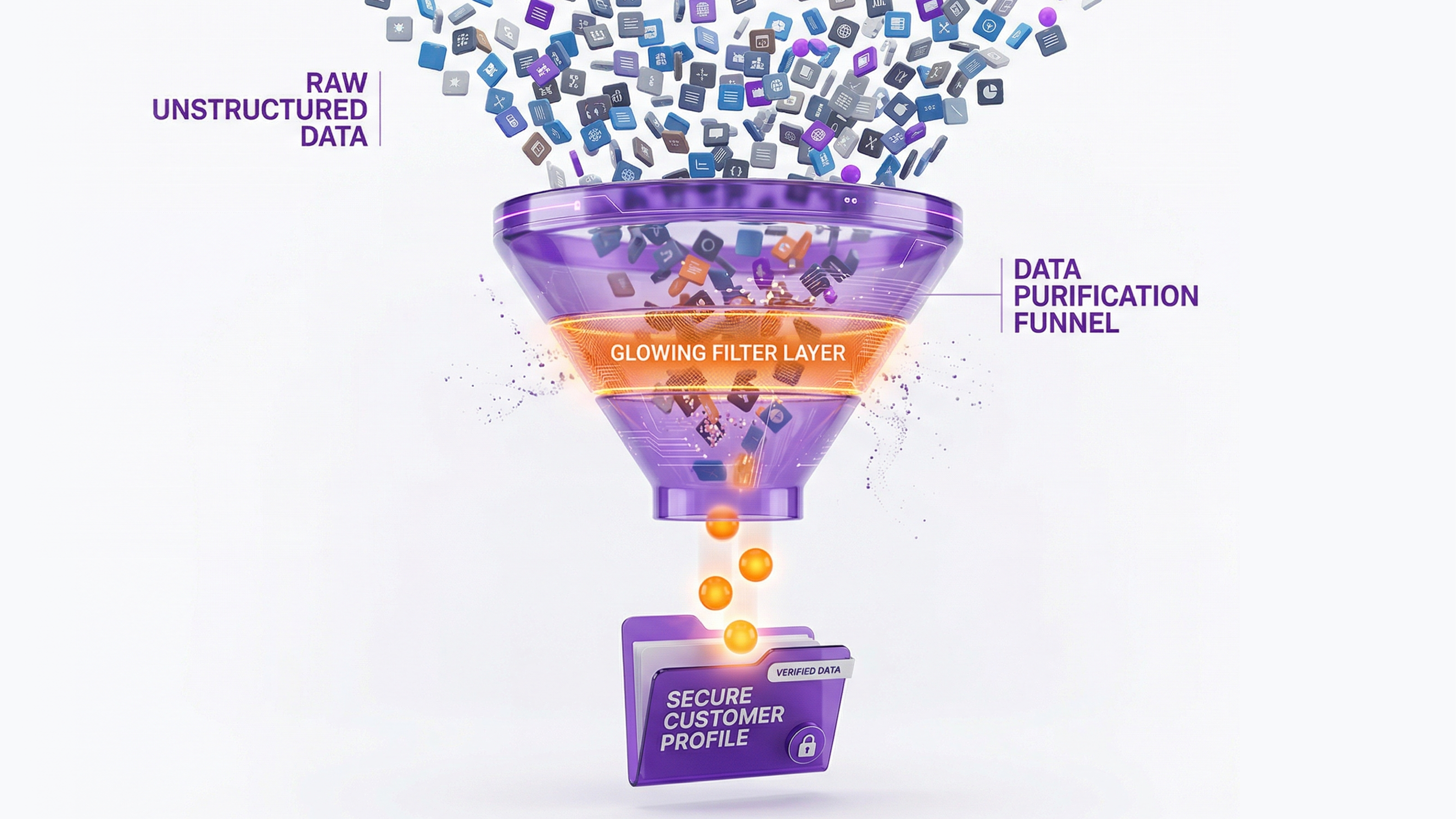
Data minimization strategies can harm customer engagement and loyalty. Retailers must balance data collection with customer needs to maintain trust and loyalty. By adopting a balanced approach, retailers can provide personalized experiences while adhering to data privacy regulations.
Data Minimization Pitfalls
Data minimization strategies, while well-intentioned, can limit the ability to offer personalized experiences. Customers expect tailored recommendations and offers based on their shopping history and preferences. Overly restrictive data collection policies can lead to a loss of customer engagement and loyalty. For instance, a small retail chain that strictly limited customer data collection found that its personalized marketing efforts were less effective, resulting in a 10% drop in customer engagement scores.
Customer Expectations
Customers today expect a high degree of personalization in their shopping experiences. A study by McKinsey India found that 75% of customers are more likely to shop with brands that provide personalized offers and recommendations (McKinsey India, 2022). Retailers must strike a balance between data protection and customer expectations to meet these demands. Retailers can achieve this balance by using data responsibly and transparently, ensuring that customers feel their privacy is protected while still receiving personalized benefits.
The Data Protection Balance Framework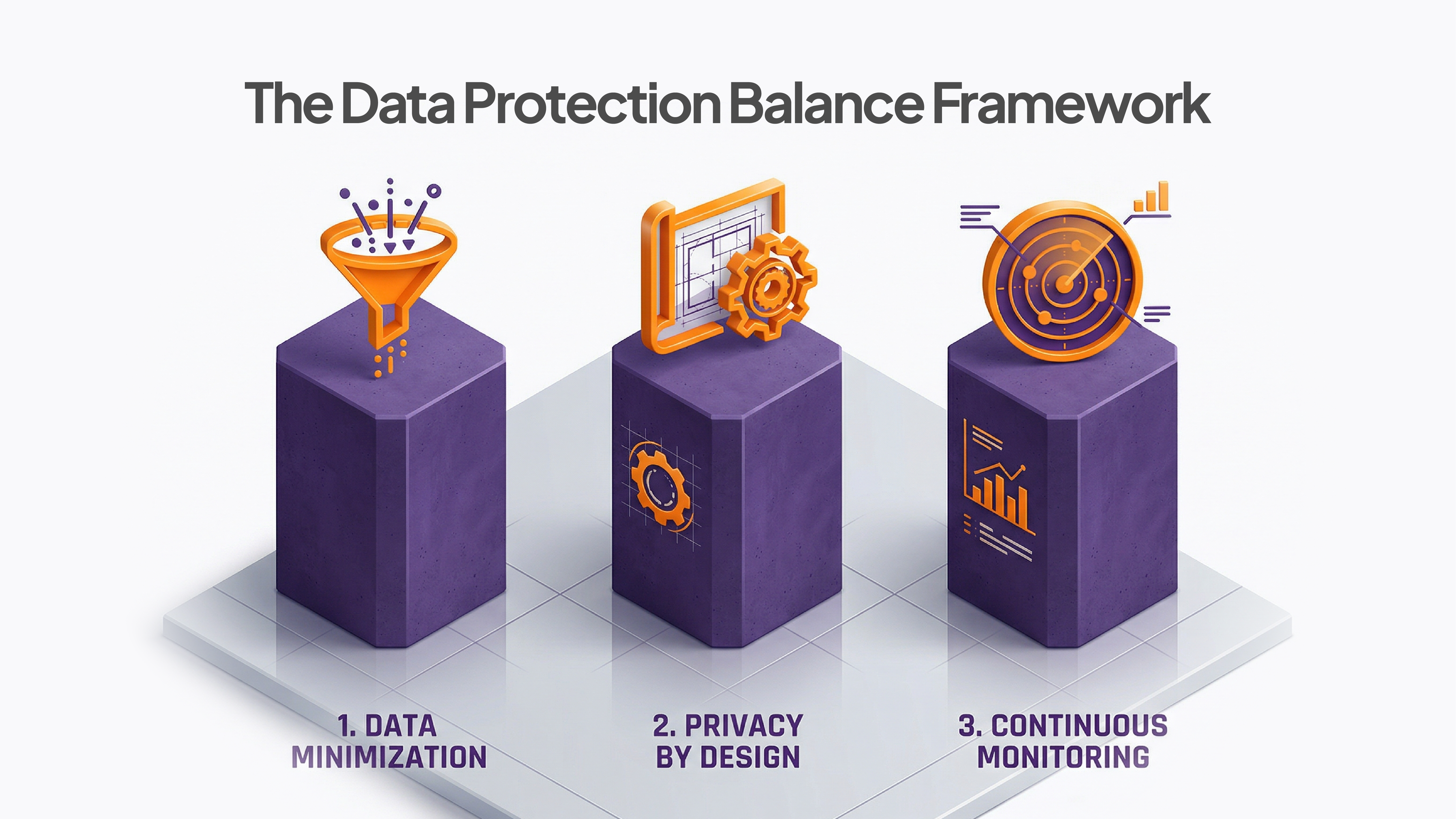
‘The Data Protection Balance Framework’ helps retailers navigate this challenge by ensuring that data collection is both necessary and responsible. By implementing this framework, retailers can provide personalized experiences while maintaining compliance with data protection regulations. The framework includes three key components: data minimization, privacy by design, and continuous monitoring.
- Data Minimization: Collect only the data that is necessary for business operations. This includes identifying the specific data points that are essential for providing personalized services and discarding or anonymizing unnecessary data.
- Privacy by Design: Integrate privacy considerations into the design and operation of information technologies. This means designing systems and processes that inherently protect data privacy, rather than trying to add privacy measures as an afterthought.
- Continuous Monitoring: Regularly review and update data protection practices to ensure ongoing compliance with regulations and evolving customer expectations. This includes conducting periodic audits and assessments to identify and address gaps in data protection measures.
Implementation Example: A Leading Retailer’s Success
A leading retail chain in India faced significant challenges in balancing data privacy and customer engagement. The retailer adopted ‘The Data Protection Balance Framework’ and saw remarkable results. By implementing data minimization techniques, the retailer reduced the amount of customer data it collected by 30%. At the same time, the retailer maintained personalized marketing efforts by focusing on data that was essential for providing tailored offers and recommendations. Through privacy by design, the retailer integrated data protection measures into its CRM system, ensuring that data privacy was a core part of their technology infrastructure. Continuous monitoring allowed the retailer to stay ahead of regulatory changes and customer expectations, leading to a 12% increase in customer satisfaction scores within the first year of implementation. This success story underscores the importance of adopting a balanced approach to data privacy in marketing.
Deeper Explanation of Data Minimization
Data minimization is a crucial component of ‘The Data Protection Balance Framework’ as it ensures that retailers collect only the data necessary for their business operations. By limiting data collection to essential information, retailers can reduce the risk of data breaches and misuse. However, it is important to strike a balance between data minimization and the need for personalized customer experiences. Retailers should carefully identify the specific data points that are essential for providing tailored services and discard or anonymize unnecessary data. This approach not only protects customer privacy but also enhances customer trust and loyalty by demonstrating a commitment to responsible data management.
Conclusion
Balancing data privacy and customer engagement is a critical challenge for Indian retailers. By adopting ‘The Data Protection Balance Framework’, retailers can navigate this complex landscape effectively. This framework helps retailers collect only necessary data, integrate privacy considerations into their systems, and continuously monitor their practices to ensure ongoing compliance. Implementing these strategies can lead to increased customer trust, loyalty, and satisfaction while mitigating the risks of non-compliance with data privacy regulations.