
Most Indian retailers think raw sales numbers can power a promotion, but this leaves the brand vulnerable to shallow buying and weak loyalty. The real tension is chasing volume while ignoring the emotional connection that turns a shopper into a repeat advocate, something a customer story promo can ignite. When a promotion is anchored in a lived experience rather than a spreadsheet, the brand gains a narrative foothold that resonates across generations, festivals, and even the quiet moments between purchases.
Understanding the Power of Customer Story Promos
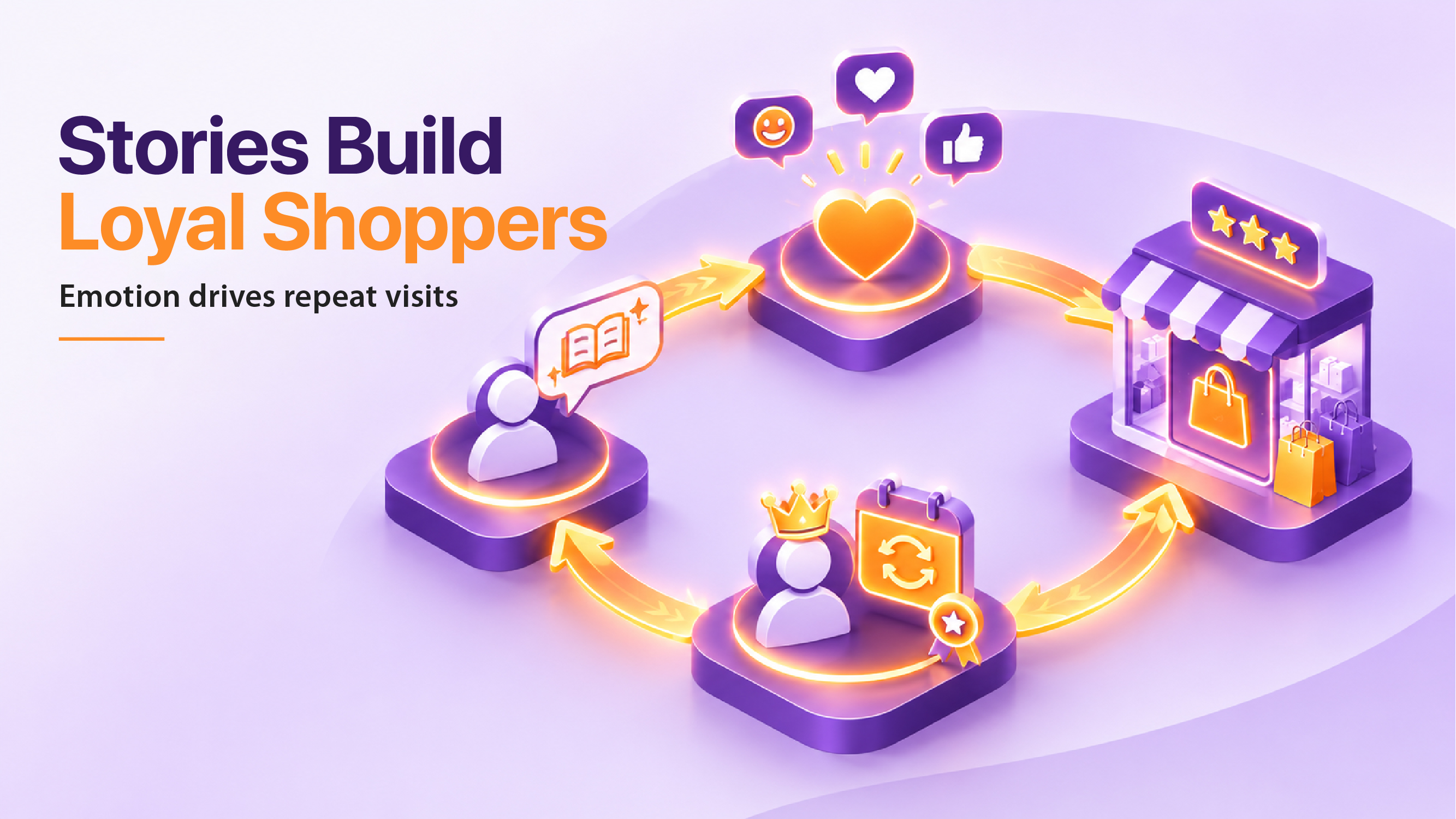
Story‑driven promos turn a routine purchase into a moment shoppers want to share because they see themselves in the story. When a customer recognises their own experience, the offer feels personal, not just another discount. That link makes a customer story promo far more powerful than a price‑only push. It also creates a ripple effect: a shopper who feels seen is more likely to mention the brand to friends, post a short clip on social media, or simply return with a sense of belonging.
Imagine a family in a mid‑tier fashion store during the Diwali rush. They see a short video of a mother who bought a traditional outfit for her daughter’s first school function, then returned months later for the graduation dress. The mother’s voice describes how quick alterations saved her a stressful night. The camera lingers on the delicate embroidery, the laughter of the child, and the subtle nod of the store associate who promised a perfect fit. The visual and auditory cues together paint a lived celebration.
The family pauses, smiles, and thinks, “That could be us.” Staff greet them by name and mention the same tailoring service, reinforcing the feeling that the store already knows their story. The purchase feels like a continuation of that narrative, not just a transaction. Even the background music—a soft, festive raga—helps the moment linger in their memory.
Contrast that with a generic banner shouting a steep discount on all sarees. The family might glance, but the banner does nothing to connect with their milestones. It flashes numbers, but offers no context, no character, no invitation to become part of something larger. They walk away remembering the discount, not the store, and are likely to drift toward the next banner that promises a lower price.
What makes a customer story promo work
First, the story must be rooted in a real shopper’s journey that mirrors the target audience’s aspirations. Second, it should highlight a specific touchpoint where the brand added value—like a quick return policy, a personalized fitting, or a surprise gift. Third, it needs a clear call inviting the next shopper to step into the same experience, such as “Bring your own celebration to us.” When these align, the promo becomes a bridge between past and future purchases, turning abstract benefits into tangible moments that can be imagined, felt, and repeated.
- Authenticity: Use a genuine voice that sounds like a neighbor, not a corporate script. Capture the cadence, regional idioms, and even the occasional laugh that makes the story feel lived.
- Relevance: Choose moments that match the season or local festivity, so the story feels timely. A story about a monsoon‑ready raincoat works better in July, while a tale of gifting during Raksha Bandhan shines in August.
- Action hook: End with a simple invitation that tells the shopper exactly what to do next, whether it’s scanning a QR code, mentioning a phrase at checkout, or signing up for a loyalty card on the spot.
Retail teams often measure success by coupons printed or footfall spikes. With a customer story promo, the metric shifts to how many shoppers recall the narrative and mention it on their next visit. Comments like “I loved the mother’s story” signal resonance and drive repeat visits. In practice, you can place a short feedback tablet at the exit that asks, “What part of the story touched you today?” The qualitative data collected becomes a leading indicator of brand affinity.
Marketing that relies solely on numbers misses the emotional thread that turns a buyer into an advocate. Storytelling woven into a promo creates a memory anchor. Shoppers return not because the price was low, but because they want to recreate the feeling they saw in the story. This emotional recall often outlasts any discount timeline, extending the promotional impact months beyond the original campaign.
Check your upcoming campaign calendar: replace at least one discount‑only activation with a customer story promo that showcases a real shopper’s experience and includes a clear invitation for the next visit. Map the story to a key calendar event—such as a regional harvest festival or a school admission period—to ensure the narrative lands at a moment when shoppers are already planning purchases.
Crafting Authentic Customer Narratives for B2B Retail

Real customers describing how your store solved a problem beats any sales sheet because it turns a vague promise into a lived experience other shop owners can picture. When a retailer hears a peer describe a busy Diwali rush made smoother by your loyalty tool, the idea clicks instantly. Authentic narratives are the engine of a customer‑centric promotion, and they also serve as a proof‑point that can be reused across channels without feeling repetitive.
Imagine a Tier‑2 supermarket chain struggling with long checkout lines during festive sales. They invited a loyal store manager to share how a simple QR‑code loyalty sign‑up cut wait times and boosted repeat visits. The story was recorded on a phone, lightly edited, and turned into a short video that ran on WhatsApp groups, email newsletters, and in‑store screens. In the video, the manager points to a bustling aisle, pauses to show the QR code on a tablet, and then demonstrates the instant “thank you” notification that appears on a shopper’s phone, complete with a small discount voucher.
Other owners saw a peer’s success, not a corporate pitch, and felt the solution was reachable. They could picture their own aisles, their own staff, and the same ease of implementation, which lowered the perceived risk of adopting the tool.
Steps to Build Credible B2B Stories
- Pick a customer who faced a clear pain point that your solution eased. Look for a story that includes a measurable before‑and‑after moment, such as “queues were 15 minutes long before, now they’re half that.”
- Interview them on location, capturing real language and specific moments. Use a handheld recorder, let the conversation flow naturally, and note any spontaneous anecdotes that reveal personality.
- Co‑create the narrative, letting them choose tone and key details. Ask whether they prefer a conversational style, a formal testimonial, or a storytelling arc that includes a challenge, a turning point, and a happy ending.
- Produce a mix of formats – short video (30‑seconds for social), quote graphic (for LinkedIn), and a quick case note (for email). Each format should highlight a different slice of the story while keeping the core message consistent.
- Distribute the story where peers gather: WhatsApp business groups, industry forums, regional retail conferences, and in‑store displays. Tailor the distribution cadence to the buying cycle of your B2B audience—often a weekly “insight digest” works well.
Each step keeps the focus on real problem‑solving rather than generic feature lists. Letting the customer speak gives the story their voice, jargon, and everyday language, cutting through the noise of typical promos. It also builds a sense of ownership; the featured retailer becomes an informal ambassador for your brand.
Consider the difference between a brochure that says “our platform reduces queue time” and a video where a store owner shows the line shrinking after a simple change. The latter creates a mental picture; the former stays abstract. Decision makers care about what works on the ground, and a visual proof‑point satisfies that need more effectively than bullet points.
Brand storytelling that leans on genuine customer moments also builds trust across the supply chain. Suppliers, distributors, and franchisees see the promise already validated by a peer, reducing hesitation that stalls a promo rollout. When the narrative travels downstream, it aligns incentives and encourages a unified brand experience.
When you embed these stories into your promotional calendar, they become anchors that pull attention during key periods like EOSS or festive seasons. The narrative acts as a reminder of real value, prompting other retailers to ask for a demo or a meeting. Over time, a library of customer story promos becomes a strategic asset that can be repurposed, refreshed, and combined with seasonal themes.
Start a systematic approach: create a “Story‑Driven Promo Blueprint” that maps each campaign phase—ideation, capture, production, distribution, and measurement—to specific responsibilities and timelines. Use the blueprint to ensure every promo includes a customer story element, whether it’s a single quote on a flyer or a full‑screen video in a flagship store. By institutionalising the process, the customer story promo moves from a one‑off idea to a core pillar of your marketing engine.
Frequently Asked Questions
1. How can a customer story promo drive B2B sales in India?
By showcasing a local distributor’s success with your product, a customer story promo builds trust with other Indian retailers who face similar supply chain challenges. The narrative demonstrates tangible benefits, encouraging buyers to replicate the same results for their own stores.
2. What elements make a customer story promo effective for retailers?
Authentic testimonials, clear problem–solution framing, and relatable visuals of store shelves or logistics operations are key. Including the retailer’s brand voice and a concise call to action helps the story resonate across diverse retail chains.
3. How do I create a customer story promo that resonates with target audiences?
Start by interviewing the retailer to capture their unique pain points and outcomes. Then craft a concise script that highlights the challenge, your solution, and the measurable improvement, all while keeping the language and imagery aligned with the target audience’s everyday environment.
4. Customer story promo vs. traditional promo: which yields better ROI?
Customer story promos tend to generate higher engagement because they provide social proof and real‑world relevance, which traditional ads often lack. The narrative format encourages retailers to imagine similar successes, leading to stronger consideration and purchase intent.
5. What ROI can I expect from implementing a customer story promo?
Expect to see increased brand credibility and faster decision cycles, as retailers feel more confident in the proven results your product delivers. This heightened trust often translates into quicker negotiations and longer‑term partnership opportunities.
A promotion rooted in a genuine customer story turns a simple discount into a shared experience, inviting shoppers to see themselves reflected in the brand’s narrative. By focusing on real moments rather than raw sales data, retailers build deeper emotional bonds that nurture loyalty and spark word‑of‑mouth across generations. This human‑centered approach keeps the brand alive in the everyday lives of its customers.