
The idea that a single big Navratri sale is enough is wrong because it ignores the festival’s day‑by‑day engagement potential. A Navratri marketing strategy that spans all nine nights keeps the brand in shoppers’ minds from the first Garba to the final Dandiya, turning footfall into repeat loyalty. Retailers who rely on one‑off discounts miss the rhythmic surge of shoppers who celebrate each night with fresh buying intent.
Understanding Navratri’s Retail Potential
Navratri’s nine nights each carry a distinct mood—from the hopeful first day to the celebratory climax on the ninth—so a retailer can align offers with those moods to feel personal. Mapping those emotional peaks lets you segment customers by day‑specific preferences, ensuring the message lands when the shopper is most receptive.
Day‑Level Emotional Mapping
- Identify the cultural narrative of each night: day 1 (Pratipada) sparks new‑year optimism, day 5 (Panchami) heightens communal joy, day 9 (Vijayadashami) culminates in triumph.
- Tag CRM profiles with the day(s) they most often shop during past Navratri cycles, using POS timestamps and loyalty app logs.
- Assign micro‑segments such as “Early‑Ritual Shoppers,” “Mid‑Festival Socializers,” and “Final‑Night Celebrators.”
Result: Your messaging aligns with the shopper’s emotional state, driving relevance that feels handcrafted.
Designing a 9‑Day Engagement Series
A sequential, themed campaign that changes the offer, visual, and in‑store cue each day creates a story arc that shoppers want to follow, rather than a static discount that fades after the first day.
Building the Navratri Nine‑Day Pulse Engine
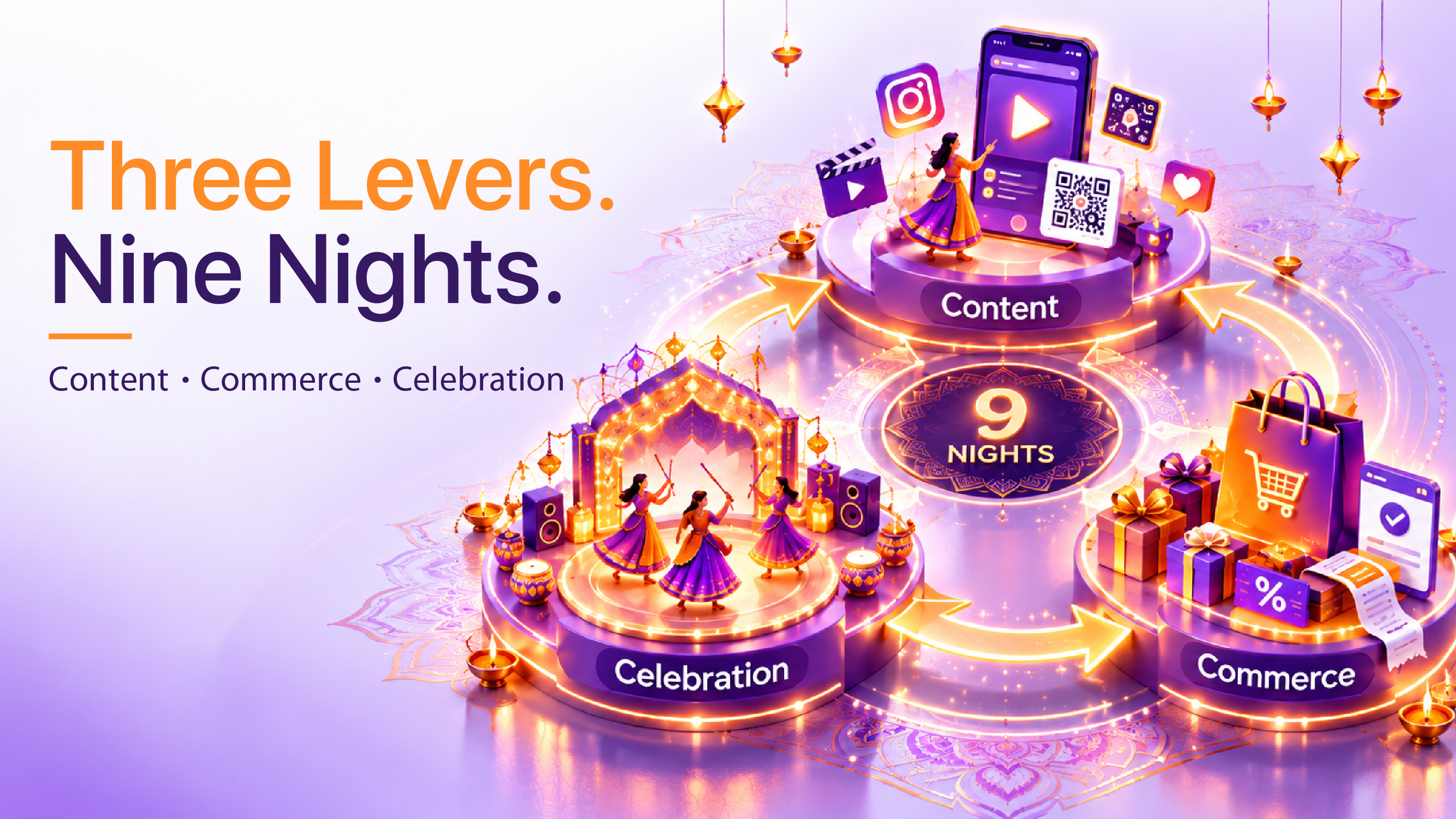
The Navratri Nine‑Day Pulse Engine is a framework that synchronises three levers—Content, Commerce, and Celebration—across the nine nights. Each lever has a daily focus, and together they generate a pulse that keeps the brand top‑of‑mind.
1. Content Pulse
- Day 1: Launch a short video of a traditional Garba troupe, embed a QR code linking to a “New Beginnings” product bundle.
- Day 5: Share user‑generated Instagram reels of shoppers wearing your festive apparel, prompt them to tag the brand for a surprise add‑on.
- Day 9: Release a behind‑the‑scenes story of the final Dandiya performance, tie it to a limited‑edition gift set.
2. Commerce Pulse
- Day‑specific bundles that pair a best‑selling snack with a complementary apparel piece, reflecting the day’s theme.
- Dynamic pricing that rewards the “Mid‑Festival Socializer” with a free add‑on after two purchases within the same week.
- Instant redemption codes delivered via WhatsApp at the moment the shopper scans the QR at checkout.
3. Celebration Pulse
- In‑store décor that changes colour palette each night, mirroring the traditional Navratri hues.
- Live music or a mini‑stage for local Garba groups on high‑traffic days, turning the store into a celebration hub.
- Reward points multiplier on the ninth night for customers who have engaged on at least three prior days.
Result: Shoppers experience a fresh reason to return daily, converting festive enthusiasm into repeat visits.
Optimizing F&B and Product Offers
Pairing food and beverage bundles with product assortments on each Navratri day amplifies cross‑sell because the festival’s culinary rituals naturally invite snack purchases alongside clothing or accessories.
1. Day‑Specific Combo Blueprint
- Day 2 (Dwitiya): Offer a “Savory Start” combo—spiced samosa pack with a bright kurta, promoting the tradition of beginning the day with a light snack.
- Day 6 (Shashti): Introduce a “Sweet Victory” bundle—gulab jamun mini‑box paired with a glittery dupatta, aligning with the heightened celebratory mood.
- Day 8 (Ashtami): Roll out a “Refresh & Rejoice” package—masala chai sachet with a breathable cotton shirt, catering to shoppers preparing for the final night.
Result: The bundled approach lifts average basket size and embeds the brand into the festival’s food‑driven rituals.
2. Measuring Success and ROI
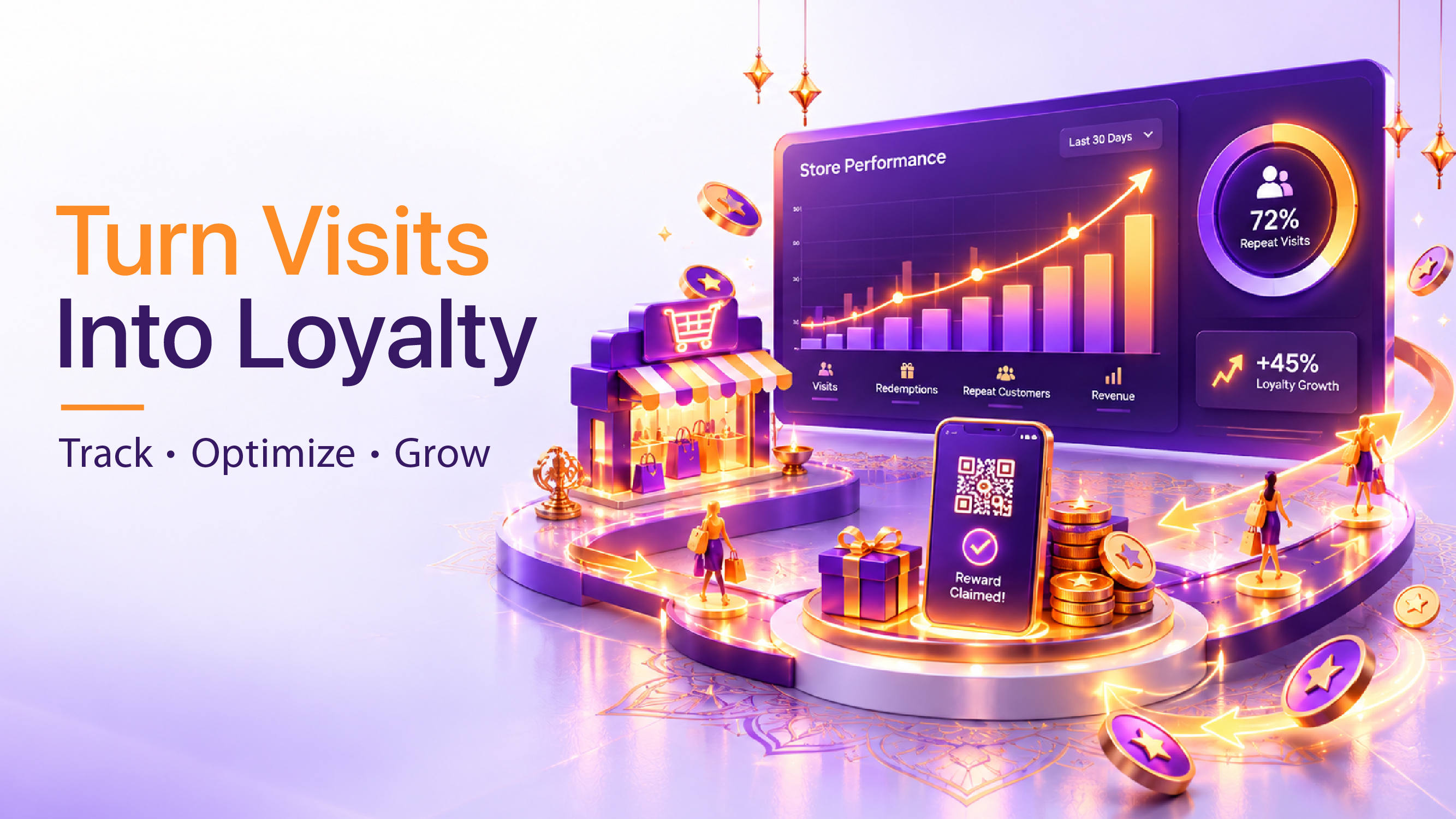
Success is measured by the lift in repeat footfall, the depth of engagement across the nine days, and the incremental loyalty points earned, not by a single sales spike.
3. Pulse Metrics Dashboard
- Track daily unique visits per micro‑segment via Wi‑Fi footfall analytics.
- Measure “Engagement Depth” by counting how many days a shopper interacts with any of the three Pulse levers.
- Calculate “Cross‑Sell Ratio” by dividing the number of F&B bundle purchases by total transactions each night.
Result: A clear view of how each day’s pulse contributed to overall festival performance, enabling real‑time tweaks.
Real‑World Navratri Marketing Strategy in Action
Consider a mid‑size apparel retailer in Mumbai that traditionally relied on a single “Navratri Mega Sale” at the start of the festival. By shifting to a Navratri marketing strategy that embraces the nine‑day pulse, the store re‑imagined each night as a distinct touchpoint. On the first night, the store displayed vibrant lanterns and offered a “First‑Day Fresh‑Start” discount on new arrivals, encouraging early shoppers to begin their festive wardrobe. By the fifth night, the retailer partnered with a local dance troupe, inviting customers to a mini‑Garba performance inside the store, and offered a limited‑edition accessory that could only be claimed by those who posted a photo of the event on social media. On the final night, the store created a “Victory Celebration” zone where shoppers could exchange loyalty points for a handcrafted Dandiya set, reinforcing the emotional climax of Vijayadashami. Throughout the nine days, the retailer used WhatsApp broadcasts to deliver daily QR‑coded offers, ensuring that each communication felt timely and personal. This approach transformed a one‑time discount into a narrative journey, deepening brand affinity and prompting shoppers to return multiple times during the festival.
Implementation Framework for the Navratri Nine‑Day Pulse Engine
To operationalise the Navratri Nine‑Day Pulse Engine, break the process into three practical phases: Planning, Execution, and Optimization. Each phase aligns with the three levers—Content, Commerce, Celebration—and ensures that every day’s activity is coordinated across channels.
Phase 1: Planning
- Stakeholder Alignment: Convene marketing, merchandising, store operations, and digital teams to agree on the daily themes and the specific lever responsibilities.
- Creative Calendar: Draft a nine‑day visual and copy schedule that maps each night’s emotional tone to a content piece, a product bundle, and an in‑store experience.
- Technology Stack Prep: Ensure QR code generators, WhatsApp broadcast tools, and POS integration are ready to deliver real‑time offers.
Phase 2: Execution
- Content Launch: Deploy the day‑specific video or social post early in the morning, paired with a QR code that feeds directly into the commerce engine.
- Commerce Activation: Activate the day’s bundle at the point of sale, trigger dynamic pricing rules, and push redemption codes via the chosen messaging channel.
- Celebration Roll‑out: Transform the store ambience according to the day’s palette, host the live performance or music segment, and apply the loyalty multiplier for eligible shoppers.
Phase 3: Optimization
- Real‑Time Monitoring: Use the Pulse Metrics Dashboard to watch footfall, engagement depth, and cross‑sell ratios, adjusting offers on the fly if a day underperforms.
- Feedback Loop: Capture shopper sentiment through in‑store tablets or post‑purchase surveys, feeding insights back into the next day’s content plan.
- Post‑Festival Review: Conduct a debrief that evaluates each lever’s contribution, documenting learnings for the next year’s Navratri marketing strategy.
This framework turns the Navratri Nine‑Day Pulse Engine from a concept into a repeatable, scalable process that can be applied across retail formats, from boutique stores to large department chains.
Measuring Success and ROI
Success is measured by the lift in repeat footfall, the depth of engagement across the nine days, and the incremental loyalty points earned, not by a single sales spike. A robust measurement approach looks beyond the immediate transaction and captures the cumulative effect of daily interactions. By tracking how many shoppers return for multiple nights, retailers can gauge the true impact of the Navratri marketing strategy on brand stickiness. Additionally, monitoring the incremental loyalty points earned provides insight into long‑term value creation, as points often translate into future purchases beyond the festival period. It is also essential to compare the performance of each lever—Content, Commerce, and Celebration—so that the most effective tactics can be amplified in future campaigns.
Pulse Metrics Dashboard
- Track daily unique visits per micro‑segment via Wi‑Fi footfall analytics.
- Measure “Engagement Depth” by counting how many days a shopper interacts with any of the three Pulse levers.
- Calculate “Cross‑Sell Ratio” by dividing the number of F&B bundle purchases by total transactions each night.
- Monitor loyalty point accrual trends to see how the reward multiplier on the ninth night influences overall program participation.
- Analyze social amplification metrics such as user‑generated content volume and hashtag usage to understand the organic reach of the Celebration Pulse.
Result: A clear view of how each day’s pulse contributed to overall festival performance, enabling real‑time tweaks and providing a data‑driven foundation for future Navratri marketing strategy cycles.
Frequently Asked Questions
1. What are the key components of a successful Navratri marketing strategy for B2B retailers in India?
A successful Navratri strategy hinges on aligning product assortments with festive demands, crafting culturally resonant messaging, and leveraging omni‑channel touchpoints to reach business buyers. Integrating digital catalogs, personalized email sequences, and in‑store displays that highlight Navratri‑specific bundles can create a cohesive experience that speaks directly to retailers’ seasonal purchasing needs.
2. How can a 9-day engagement series be structured to maximize customer interaction during Navratri?
Structure the series around the nine nights, releasing a themed theme each day—such as “Day 1: Festive Fabrics” or “Day 5: Vendor‑Exclusive Deals.” Use a mix of content types—videos, product demos, and interactive quizzes—to keep engagement high, and schedule timely reminders or flash offers that prompt retailers to act before the next theme drops.
3. What steps should a retail brand take to create a compelling Navratri promotion?
Begin by researching which product categories spike during Navratri, then curate bundles that reflect traditional colors and motifs. Build a creative brief that incorporates mythological references, offer tiered incentives for bulk orders, and coordinate launch timing with key trade shows or procurement cycles to ensure maximum visibility.
4. How does a Navratri marketing strategy compare to other Indian festival campaigns in terms of ROI?
Navratri campaigns tend to generate higher engagement among B2B buyers because the festival drives a specific shift in inventory needs, unlike broader festivals that appeal to a wider audience. The focused nature of Navratri allows brands to tailor messaging and offers more precisely, often resulting in stronger conversion signals compared to more generalized campaigns.
5. What measurable results can retailers expect from implementing a Navratri engagement playbook?
Retailers can anticipate a noticeable uptick in order frequency during the nine‑day period, along with increased cross‑product purchases as they respond to bundled incentives. Additionally, the playbook typically boosts brand recall among trade partners, encouraging repeat business in the post‑Navratri season.
Your 30-Day Action Checklist
- Week 1: Map Navratri’s nine emotional peaks and tag CRM profiles accordingly.
- Week 2: Develop the nine‑day creative assets for Content Pulse, ensuring each video, image, and copy aligns with the designated emotional tone.
- Week 2: Design day‑specific product bundles and set up dynamic pricing rules in the POS system.
- Week 3: Coordinate with local cultural groups to schedule in‑store performances for Celebration Pulse.
- Week 3: Test QR code workflow and WhatsApp broadcast timing to guarantee seamless instant redemption.
- Week 4: Launch the Navratri Nine‑Day Pulse Engine, monitoring the Pulse Metrics Dashboard daily.
- Week 4: Conduct mid‑festival review after Day 5, adjusting offers or décor based on real‑time insights.
- Post‑Festival: Run a comprehensive debrief, documenting learnings for the next year’s Navratri marketing strategy.
The key takeaway is that a single, large Navratri promotion misses the rhythm of the festival. By pacing offers across the nine nights, retailers can match shoppers’ shifting moods and keep the brand front‑and‑center, turning each Garba and Dandiya celebration into a touchpoint for lasting loyalty.