
Most managers think higher points always drive retention; actually, complex points systems alienate shoppers.
Retailers pour money into loyalty schemes while the promised uplift evaporates in the checkout line. The loyalty program you champion may be the silent drain on cash, especially when the rules are tangled and the rewards feel like a chore. To stop the bleed you need a framework that forces you to see every cost, every friction, and every missed opportunity.
Understanding the True Cost of Loyalty Programs
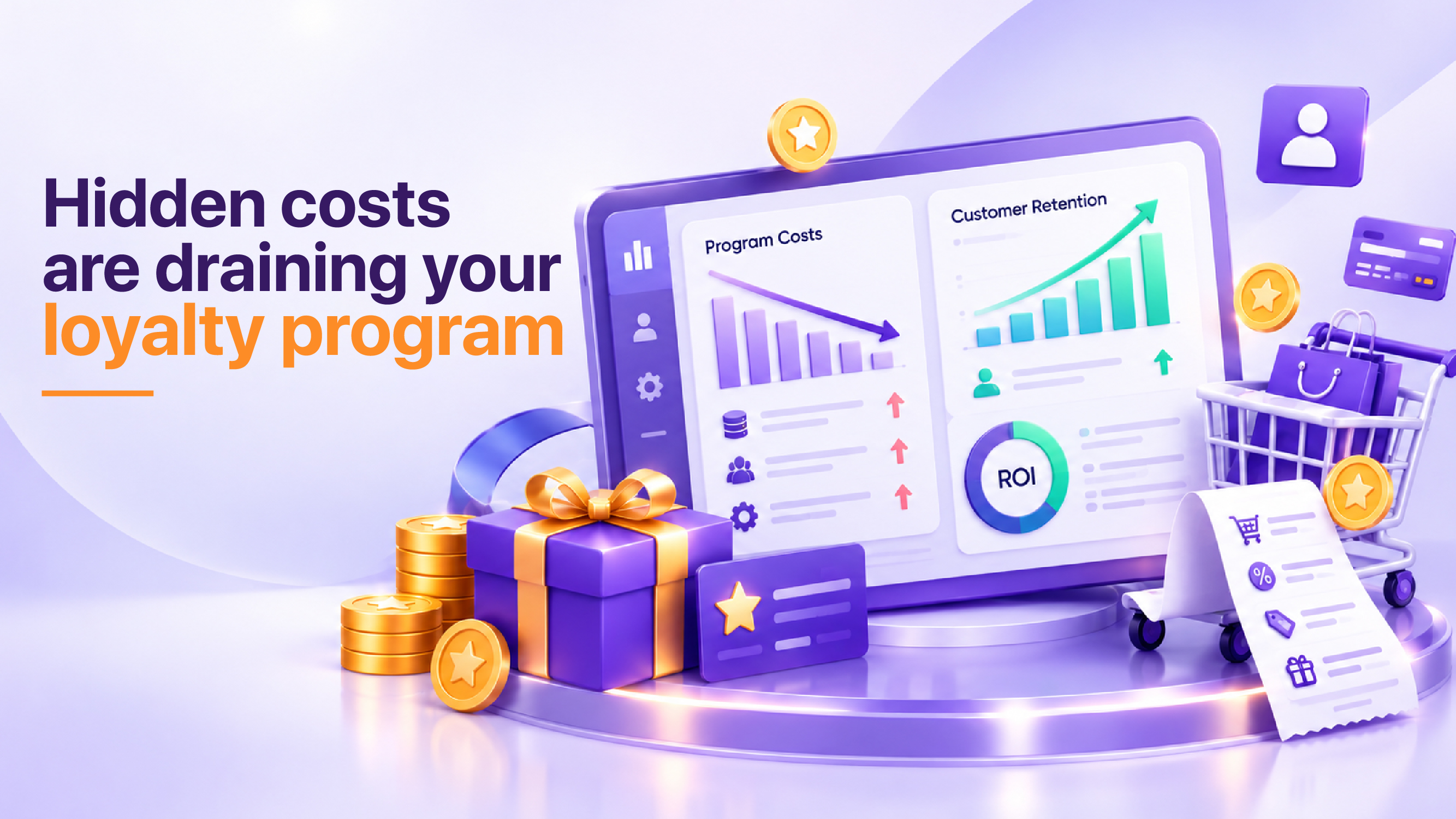
Answer: The real expense of a loyalty program stretches far beyond the points ledger; it includes data stitching, staff onboarding, and the opportunity cost of a cluttered POS experience.
When a fashion retailer rolls out a new tiered program during Diwali, the marketing team celebrates the splashy banner on the storefront. Behind the scenes, the IT crew spends weeks reconciling POS data with the CRM, the floor staff learns a new barcode entry process, and the call centre fields questions about tier eligibility. Those hidden labor hours and integration glitches are rarely captured in the budget line titled “rewards.”
- Data Integration Overhead
Every transaction now lives in three silos: the POS register, the e‑commerce gateway, and the loyalty engine. Aligning them requires custom middleware, routine audits, and a dedicated analyst who watches for mismatches. Those hours add up and never appear on the simple “points redemption” sheet.
- Staff Training and Operational Friction
During the festive rush, a cashier hesitates at the loyalty prompt, causing a queue to swell. The delay is a cost of complexity: each second of idle time translates into lost sales and a frustrated shopper who might abandon the basket.
- Opportunity Cost of a Cluttered Experience
When a shopper sees a tangled tier ladder on the receipt, the excitement of earning points turns into confusion. That confusion reduces basket size, especially in tier‑2 supermarkets where the next purchase decision is razor‑thin.
Ask yourself: are you budgeting for the loyalty program or for the hidden costs it creates?
Identifying Common Cost Pitfalls in Retail Loyalty
Answer: Generic rewards such as flat‑rate discounts and blanket vouchers drain resources without moving the needle on repeat visits.
Consider an F&B chain that offers a “buy‑one‑get‑one free” voucher to anyone crossing the 1,000‑point mark. The voucher sits on the counter, the kitchen staff prepares extra plates, and the kitchen waste rises because many diners redeem the free item without adding to the bill. The cost of the free meal is absorbed, while the perceived value to the customer is minimal—they simply expected a discount.
- Cashback and Tiered Discounts
Cashback feels rewarding, yet each transaction now carries an extra processing fee. Tiered discounts push the margin thinner for every incremental purchase, especially when the discount triggers on low‑value tickets during an end‑of‑season sale.
- Generic Vouchers
A beauty retailer hands out a ₹500 voucher for any purchase above ₹2,000. The voucher is printed, distributed, and often expires unused, yet the accounting system still records the liability. The result is a ledger full of “unredeemed” value that never translates into footfall.
- Low‑Cost, High‑Impact Alternatives
Swap the blanket voucher for a personalized offer: a free add‑on that aligns with the shopper’s recent purchase category. A coffee shop can give a free pastry to a regular who bought a latte three days ago, driving a second visit without eroding margin.
Challenge the notion that bigger discounts equal bigger loyalty; focus on relevance, not magnitude.
Calculating Customer Retention ROI for Your Program
Answer: True ROI emerges when you measure the incremental spend triggered by a reward, not merely the increase in visit frequency.
During a post‑EOSS (End of Season Sale) audit, a supermarket chain notices that loyalty members shop twice as often as non‑members. Yet the basket value per visit remains flat, and the cost of points redemption outpaces the marginal profit. The mistake is treating frequency as the sole success metric.
- Incremental Revenue Lens
Track the spend lift that occurs after a specific reward is delivered. If a tier‑2 fashion outlet sends a “15% off next purchase” SMS after a high‑ticket Diwali buy, compare the next basket to the shopper’s baseline. The lift, not the repeat count, tells you whether the reward paid for itself.
- Aligning KPIs with Profit
Shift dashboards from “visits per member” to “incremental margin per redemption.” When the metric reflects profit contribution, the team naturally weeds out low‑return incentives.
- The Loyalty Cost‑Conscious Loop
The loop consists of four stages: Cost Capture, Reward Relevance, Incremental Impact, and Continuous Pruning. Each stage forces you to ask: what does this cost, does it matter to the shopper, does it lift spend, and can we trim it?
Real‑World Indian Retail Scenario: A Tiered Grocery Loyalty Program
Imagine a regional grocery chain in North India that launched a three‑tier loyalty program to celebrate a local festival. Tier 1 members receive a modest points‑per‑rupee rate, Tier 2 members earn a higher multiplier, and Tier 3 members enjoy a “double‑points on fresh produce” perk. The rollout included bright in‑store signage, a dedicated app update, and a staff briefing session.
In practice, the store’s POS system struggled to apply the double‑points rule for fresh produce because the product categorisation was inconsistent across stores. Cashiers often had to manually select the correct category, leading to longer checkout times. Meanwhile, the marketing team sent a blanket “10% off next visit” coupon to all Tier 3 members, regardless of their purchase history.
When the program’s first month concluded, the finance team discovered that the cost of manual overrides, the extra time spent at each register, and the low‑relevance coupon together outweighed the modest increase in basket size. The hidden labor cost and the mismatch between reward relevance and shopper intent highlighted the need for a more disciplined loyalty program cost analysis.
Implementing the Loyalty Cost‑Conscious Loop Framework
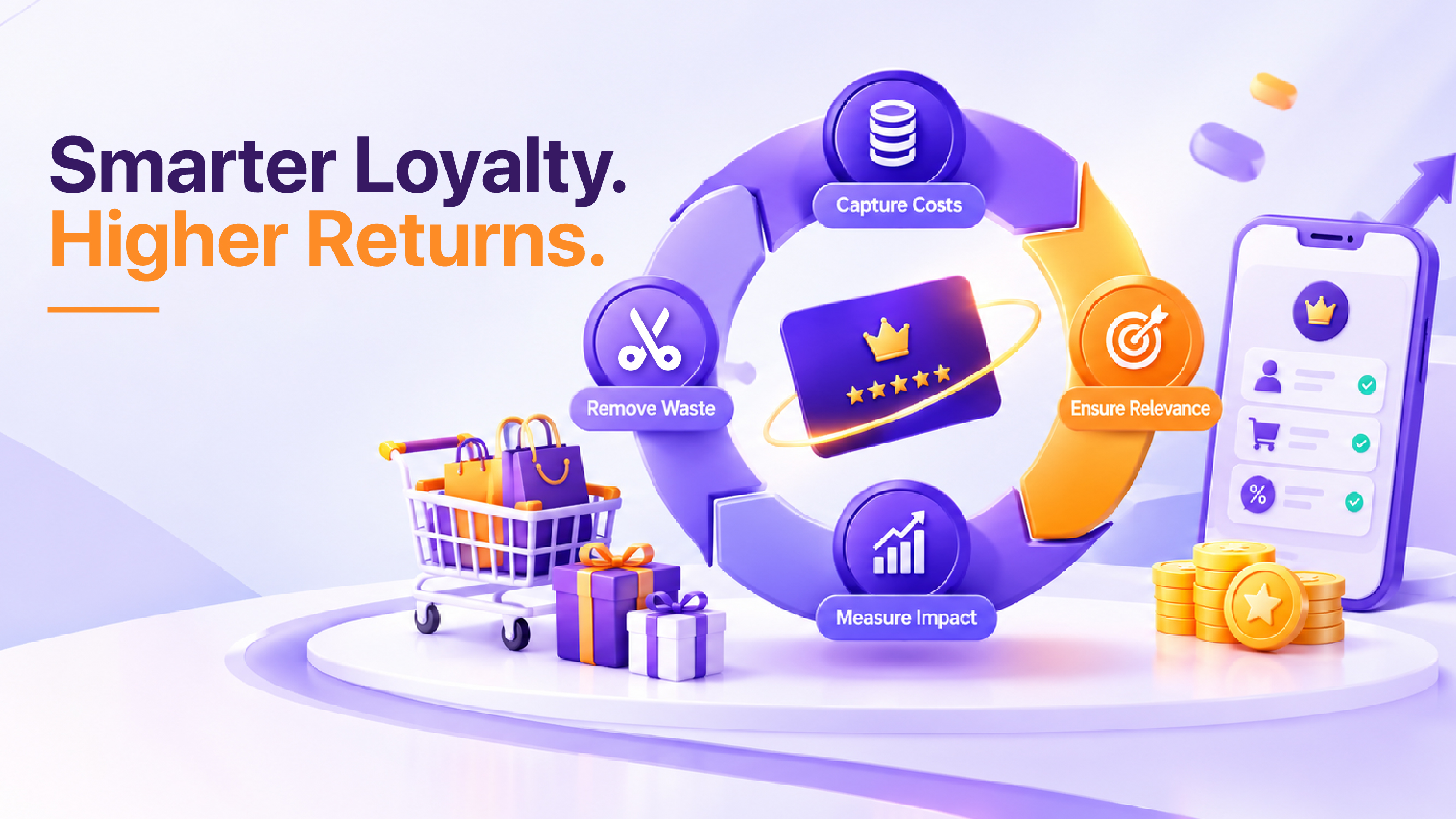
To move from anecdote to action, adopt the Loyalty Cost‑Conscious Loop as a living process rather than a one‑off audit. Below is a step‑by‑step guide that embeds the loop into your everyday operations.
1. Cost Capture
Map every line item that touches the loyalty program: technology licensing, integration hours, staff training, promotional material, and the incremental processing fees attached to each redemption. Use a simple spreadsheet or a dedicated cost‑tracking tool to log these items weekly. The goal is to surface costs that traditionally hide in “marketing overhead.”
2. Reward Relevance
Conduct a shopper‑centric review of each reward. Ask: does this incentive align with the shopper’s recent behavior or expressed preference? Replace generic discounts with contextual offers—such as a free spice blend for a customer who recently purchased a cooking set. This step reduces waste and improves the perceived value of the loyalty program.
3. Incremental Impact
Measure the actual spend lift that follows each reward. Set a baseline for each shopper based on the last three purchases, then compare the post‑reward transaction. Record the margin difference, not just the revenue difference, to understand true profitability.
4. Continuous Pruning
Schedule a quarterly review where the cross‑functional team (finance, marketing, operations, and IT) evaluates the data collected in the previous steps. Remove or redesign rewards that fail the incremental impact test, streamline processes that generate unnecessary staff friction, and iterate on the reward catalogue to keep it fresh and relevant.
By cycling through these four stages on a regular cadence, you embed loyalty program cost analysis into the DNA of the organization, ensuring that every point earned and every reward delivered contributes to the bottom line.
Deepening the Thin Section: Opportunity Cost of a Cluttered Experience
Opportunity cost often remains the most elusive element in loyalty program cost analysis because it is not a direct expense but a lost revenue stream. When a shopper confronts a convoluted tier structure on a receipt, the mental bandwidth required to decode the message detracts from the shopping experience. This distraction can manifest in several ways:
- Reduced Basket Add‑Ons: Shoppers may forgo impulse purchases because their attention is consumed by trying to understand how many points they earned or what tier they have reached.
- Longer Dwell Time: A confused shopper spends extra seconds at the checkout, increasing labor costs and potentially causing downstream bottlenecks that affect other customers.
- Brand Perception Damage: A perception that the loyalty program is overly complicated can erode trust, making shoppers less likely to engage with future promotions.
To quantify this hidden loss, track the average basket size of shoppers who receive a simplified receipt versus those who receive a detailed tier breakdown. Even a modest dip in average spend, when multiplied across thousands of transactions, represents a significant opportunity cost. The remedy is straightforward: streamline communication, use clear visual cues, and limit the number of tiers displayed at any one time. By reducing cognitive load, you not only improve the checkout experience but also unlock incremental revenue that would otherwise remain untapped.
Ask yourself: are you budgeting for the loyalty program or for the hidden costs it creates?
Frequently Asked Questions
1. What are the hidden costs of running a loyalty program in India?
Beyond the obvious points and rewards, Indian retailers often incur hidden costs such as data storage and security expenses, compliance with evolving privacy regulations, and the time spent training staff to manage and troubleshoot the program. Additionally, the cost of integrating loyalty systems with existing POS and e‑commerce platforms can quietly inflate the overall budget.
2. How can a retailer identify and eliminate unnecessary loyalty program expenses?
Start by mapping every touchpoint of the loyalty journey—from enrollment to redemption—and auditing the resources each step consumes. Cut back on redundant marketing channels, replace manual processes with automation, and renegotiate vendor contracts that no longer align with the program’s current scale or goals.
3. What steps should I take to audit my loyalty program’s cost structure?
Begin with a comprehensive inventory of all program-related spend, then categorize expenses into direct, indirect, and overhead costs. Conduct interviews with front‑line staff to uncover hidden operational burdens, and compare these findings against the program’s actual performance metrics to spot mismatches.
4. Loyalty program cost analysis vs. customer acquisition cost: which is more critical?
While customer acquisition cost remains a vital metric for growth, a deep cost analysis of the loyalty program is equally critical because it reveals the true lifetime value of existing customers. Understanding which program expenses are driving churn or diluting margins can help re‑balance resources toward higher‑impact initiatives.
5. What ROI can I realistically expect after optimizing loyalty program costs?
Optimizing costs typically leads to clearer visibility into how each dollar contributes to customer retention, allowing retailers to re‑invest savings into targeted marketing, better rewards, or enhanced customer service. The result is a more sustainable program that delivers incremental value without excessive overhead.
Your loyalty program may look generous on paper, but its hidden costs—data integration, staff training, and operational friction—often outweigh the benefits. By scrutinising every layer of the system, you can uncover the true drain and realign the program to genuinely support customer retention.