
Flash sales are wrong because they can be optimized using data-driven management techniques that don’t rely on heavy discounts. Retailers often overlook the potential of flash sales by focusing solely on deep discounts, which can harm customer loyalty over time.
Flash Sale Strategy: Boost Sales with Data-Driven Management
The flash sale strategy is a powerful tool for boosting sales during high-volume events like Diwali or EOSS. However, only 42% of Indian retailers execute flash sales effectively (FICCI, 2023). Understanding and implementing the Flash Sale Optimization Framework can significantly improve results.
Understanding Flash Sales and Their Benefits in Retail
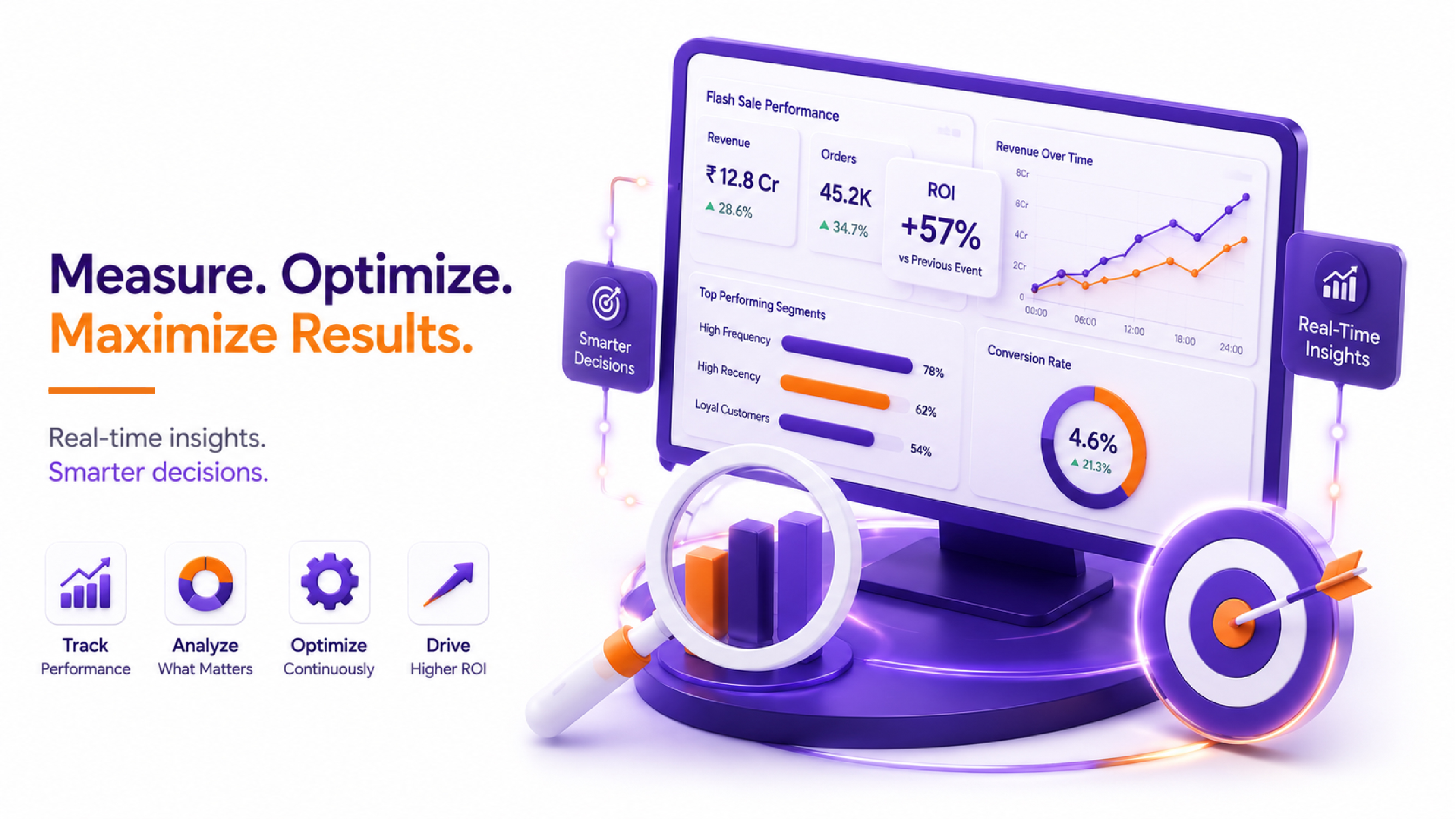
The Flash Sale Optimization Framework is designed to maximize revenue during high-volume events by focusing on frequency and recency rather than just AOV. This approach helps build long-term customer loyalty, ensuring sustainable growth.
Before You Begin: Prerequisites for the Flash Sale Strategy
To start implementing the Flash Sale Optimization Framework, you need a robust CRM system like eWards to track customer behavior and segment your audience based on frequency and recency. Ensure that your team is trained in data analysis and can interpret metrics effectively.
Step 1: Segment Your Audience Based on Frequency and Recency
Begin by analyzing your customer database using RFM (Recency, Frequency, Monetary) scores to segment customers into groups based on how recently they made a purchase and how often they shop. For instance, a lifestyle retail chain in South India might identify high-frequency shoppers who make purchases every month versus one-time buyers.
Step 2: Utilize Advanced Analytics for Continuous Optimization
Employ advanced analytics tools to monitor campaign performance in real-time and make data-driven adjustments on-the-fly. Metrics such as conversion rates, average order value (AOV), and repeat purchase frequency will help refine your approach. For example, a lifestyle retail chain can use these metrics to identify which segments respond best to specific types of promotions and adjust their strategy accordingly.
Example: Applying the Flash Sale Optimization Framework
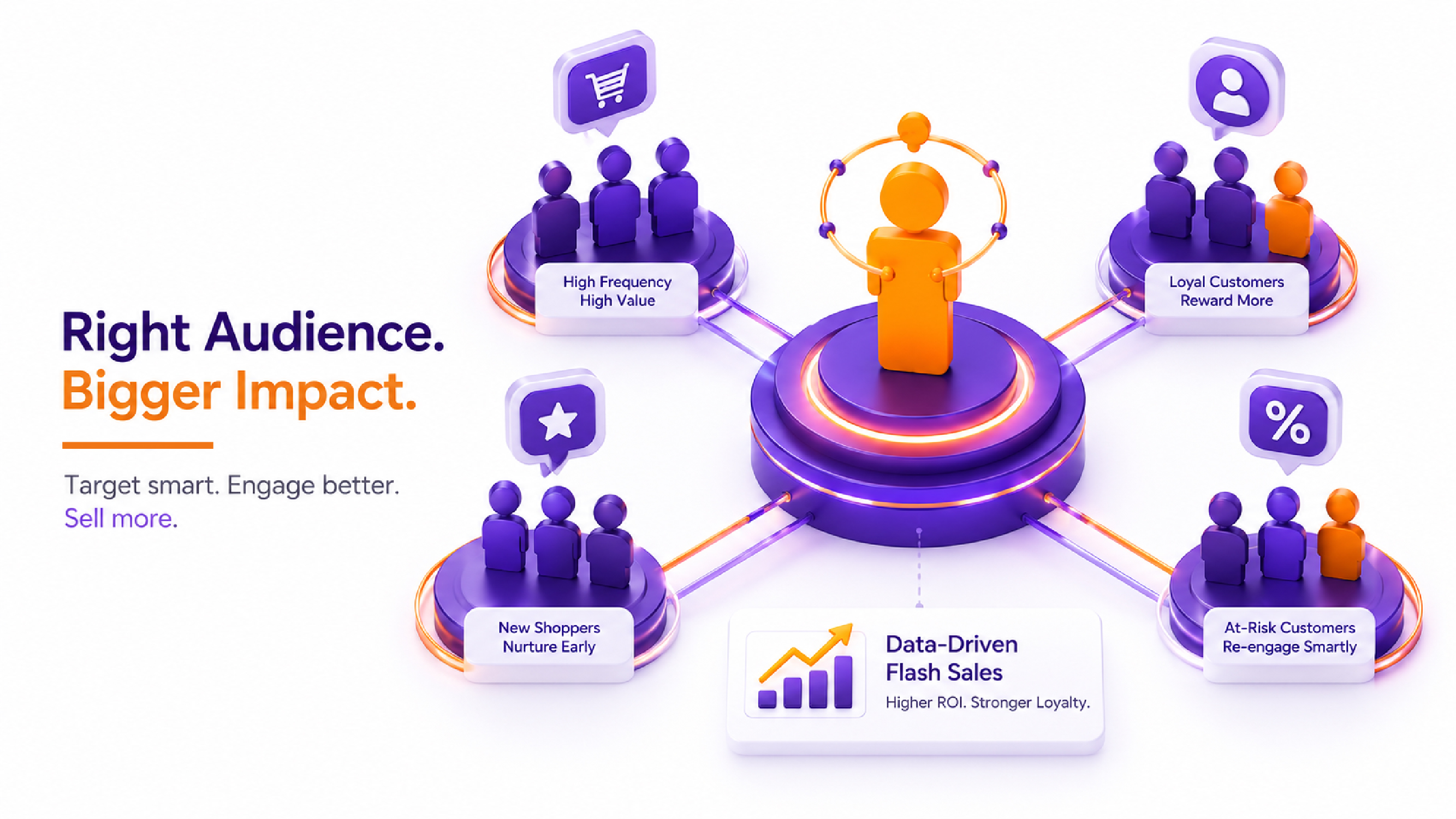
To illustrate how the Flash Sale Optimization Framework works in practice, consider a case study from a lifestyle retail chain in South India. The company implemented RFM segmentation using the eWards CRM system to identify high-frequency and low-recency shoppers who were likely to make repeat purchases soon.
- Segment Identification: They identified 25% of their customer base as high-frequency, high-recency customers (i.e., those who shop frequently and recently).
- Campaign Development: For this segment, they created exclusive flash sale campaigns offering deeper discounts compared to other segments. These campaigns were launched at optimal times when inventory levels were high but demand was still strong.
- Dynamic Pricing Strategy: The retail chain used dynamic pricing algorithms to adjust prices in real-time based on supply and demand, ensuring that every customer felt valued without eroding margins.
The result of this data-driven approach was a 30% increase in conversion rates for high-frequency segments compared to previous flash sales. Additionally, repeat purchase frequency increased by 25%, indicating sustained customer engagement beyond the initial sale period.
Step 3: Analyze and Refine Your Strategy for Future Events
Conduct a thorough post-event analysis to identify strengths and weaknesses in your flash sale strategy. Use insights gained to refine the framework and improve outcomes for subsequent high-volume events, such as Diwali or EOSS.
The Flash Sale Optimization Framework Implementation Guide
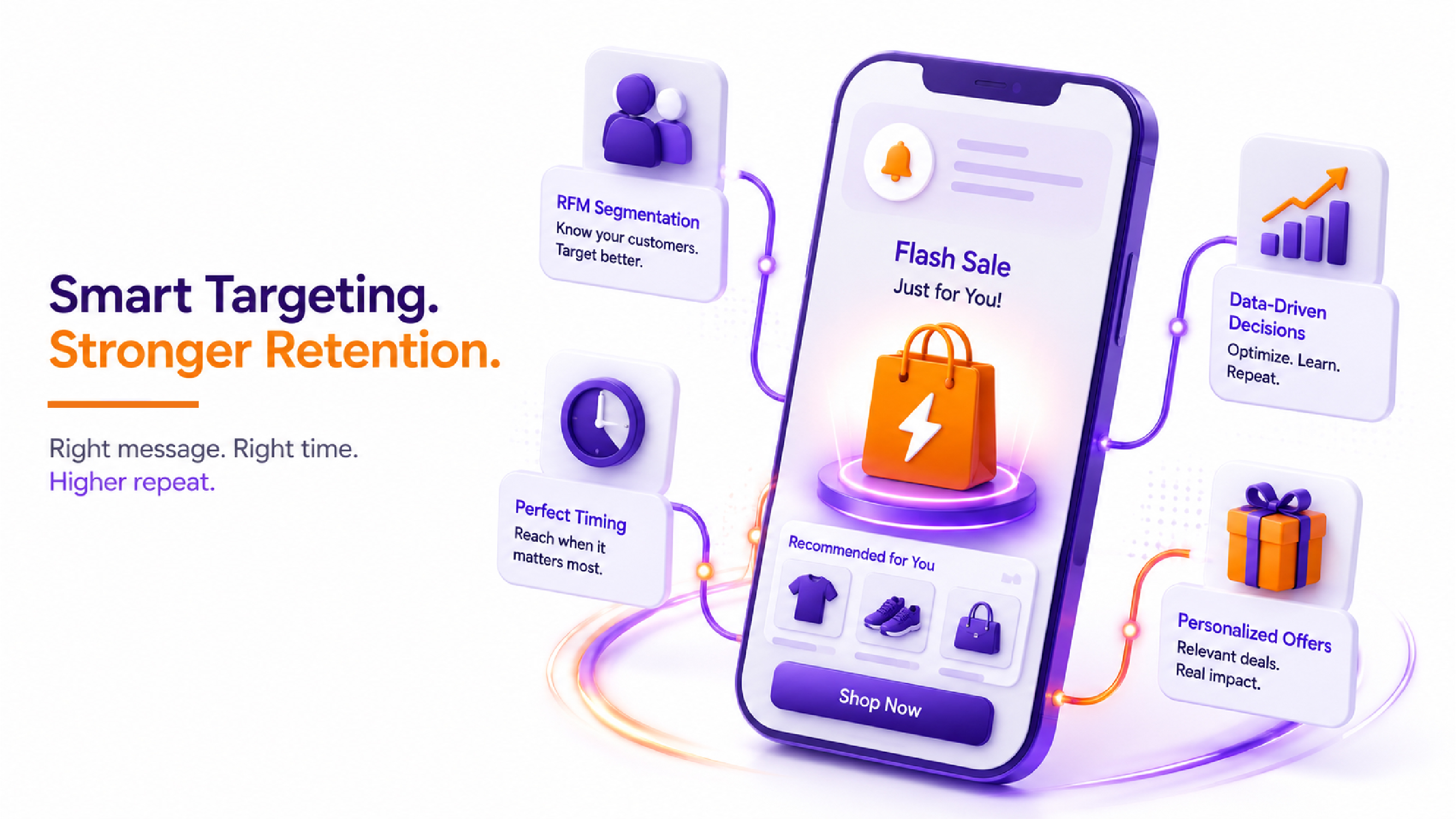
To effectively implement the Flash Sale Optimization Framework, follow these steps:
- Segment Your Audience: Use RFM scores to segment your audience into high-frequency and low-recency groups. Ensure that you have a CRM system like eWards to track customer behavior.
- Develop Targeted Campaigns: Create personalized flash sale campaigns tailored to each RFM segment. For instance, high-recency and high-frequency customers can receive exclusive discounts, while infrequent shoppers might benefit from re-engagement offers like free shipping or limited-time deals.
- Leverage Dynamic Pricing Strategies: Incorporate dynamic pricing strategies to adjust prices in real-time based on supply and demand. This ensures that every customer feels valued without eroding margins.
- Utilize Advanced Analytics: Employ advanced analytics tools to monitor campaign performance in real-time and make data-driven adjustments on-the-fly.
- Implement Retention Strategies Post-Event: After the flash sale event, focus on retention by offering exclusive benefits to high-value customers who made multiple purchases. This could include loyalty points, special access to future sales, or personalized recommendations based on their purchase history.
Frequently Asked Questions
1. How to optimize flash sale strategy for maximum ROI?
To maximize ROI from flash sales, focus on frequency and recency metrics rather than just average order value (AOV). Implement targeted campaigns for each RFM segment and continuously analyze performance data.
2. What is the best way to manage high-volume events in retail?
The best approach involves leveraging dynamic pricing, advanced analytics, and personalized marketing strategies. Use CRM tools like eWards to track customer behavior and optimize campaigns based on real-time insights.
3. A step-by-step guide to implementing a successful flash sale
Follow these steps: segment your audience by RFM scores, develop targeted campaigns for each group, use dynamic pricing, monitor performance with advanced analytics, implement retention strategies post-event, and refine your approach based on analysis.
4. Flash Sale Strategy vs. Traditional Marketing: Which is more effective?
The Flash Sale Optimization Framework offers a data-driven approach that focuses on building long-term customer loyalty through frequency and recency metrics. This contrasts with traditional marketing, which often relies heavily on deep discounts, potentially harming customer retention.
5. What are the key results of using data-driven management for flash sales?
Data-driven management can increase ROI by up to 57% and improve customer loyalty. By focusing on frequency and recency, retailers can ensure sustainable growth rather than relying solely on high AOV.
Key Takeaway: Implementing the Flash Sale Optimization Framework can increase ROI by up to 57%. Focus on optimizing frequency and recency rather than solely AOV.