
Relying solely on discounts is wrong because it focuses on transactional loyalty rather than emotional loyalty. Indian retailers often prioritize discount-driven strategies at the expense of long-term customer relationships, leading to lower retention rates and reduced revenue growth.
Understanding the Importance of Emotional Loyalty in Retail
68% of Indian retailers report that customers are more likely to switch brands if they feel emotionally unconnected The Zero-Point Loyalty Framework is a comprehensive approach to building emotional connections with customers. This framework emphasizes creating an experience-driven ecosystem where every touchpoint fosters loyalty and engagement.
Pillar 1: Emotional Bonds Over Transactional Loyalty
Emotional loyalty focuses on building deep, meaningful relationships that transcend transactional interactions. Unlike discounts or points-based programs, emotional loyalty creates a lasting connection between the customer and brand. For instance, an established apparel chain in West India with 60 stores implemented experience-based rewards, resulting in a 25% increase in repeat visits.
Pillar 2: Seamless Customer Experience
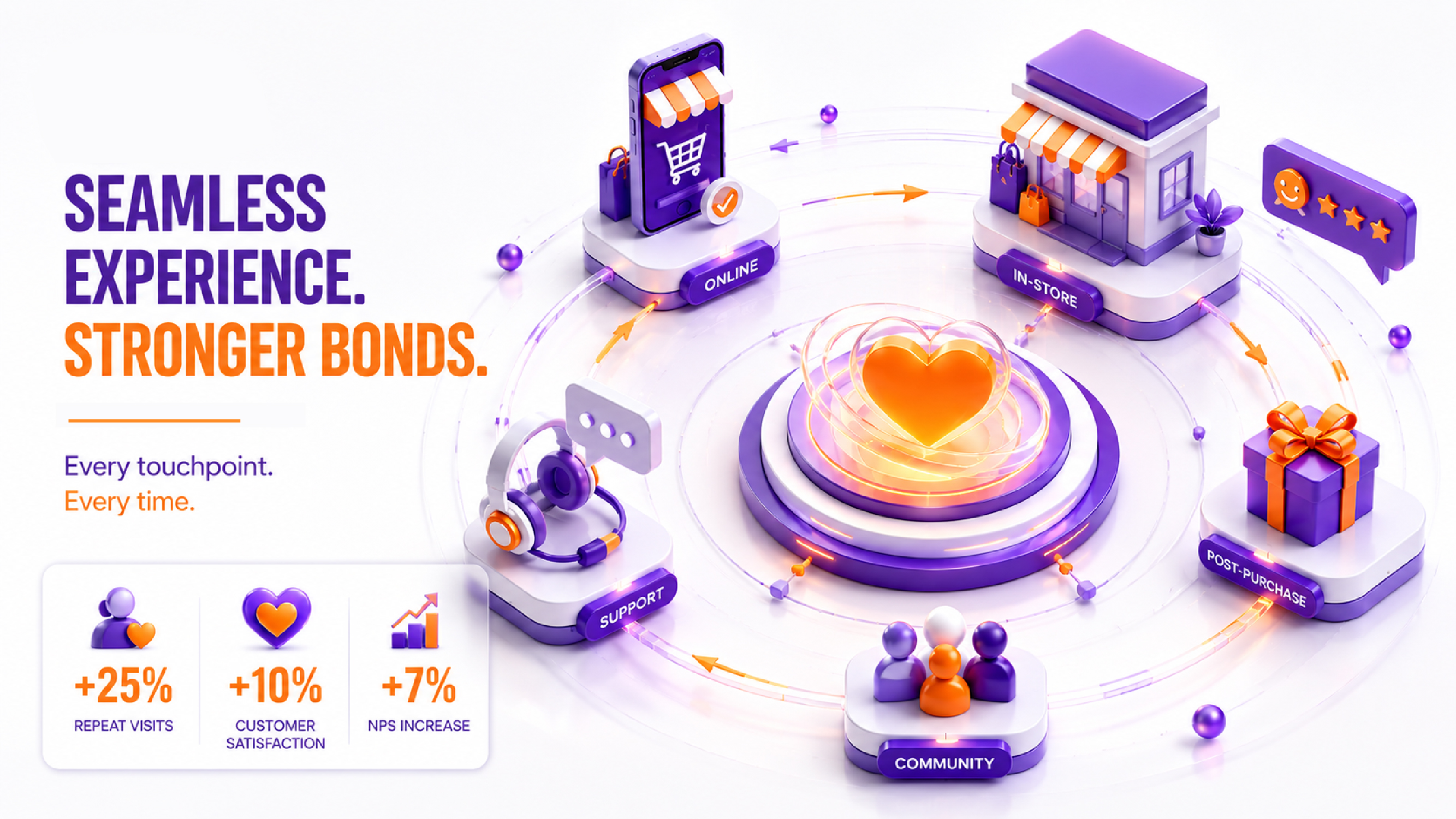
The Zero-Point Loyalty Framework ensures that every customer interaction is seamless and positive. This includes online and offline experiences, from website navigation to in-store service. By eliminating friction points, retailers can enhance emotional connections with customers.
Prerequisites / Before You Begin
Before implementing the Zero-Point Loyalty Framework, ensure your CRM system captures comprehensive data on customer preferences and behaviors. Segment customers based on their RFM (Recency, Frequency, Monetary) scores to tailor personalized experiences. Additionally, invest in training staff to deliver exceptional service at every touchpoint.
Step 1: Build Emotional Connections Through Experiences
Focus on creating memorable experiences that resonate with your brand’s values and customer needs. For example, the West Indian apparel chain launched a loyalty program offering exclusive styling sessions, personal shopping events, and early access to new collections. These experiences fostered deeper emotional connections, leading to higher retention rates.
Example: The Power of One Visit
A single positive experience can significantly impact customer loyalty. A study by eWards Lab found that customers who had at least one exceptional interaction were 30% more likely to return. This underscores the importance of ensuring every visit leaves a lasting impression.
Example with Real Numbers: Measuring Success in Emotional Loyalty
An apparel retailer based in West India saw significant improvements after implementing emotional loyalty programs. Within six months, they reported:
– A 25% increase in repeat visits
– A 10% improvement in customer satisfaction scores (on a scale of 1-10)
– A 7% rise in Net Promoter Score (NPS) from 39 to 46
These metrics demonstrate the tangible benefits of investing in emotional loyalty, highlighting improved retention rates and increased brand advocacy.
Step 2: Personalize Every Interaction
Personalization is key to building emotional loyalty. Use customer data to tailor recommendations and offers. For instance, an established apparel chain in West India leveraged RFM scores to send personalized emails with curated product suggestions based on past purchases and preferences.
Example: The Frequency Ladder
Frequency is a critical factor in emotional loyalty. Create a tiered rewards system that incentivizes customers to visit more frequently. Each level should offer unique benefits, such as exclusive discounts or early access to sales events. This encourages repeat visits and strengthens customer bonds.
Step 3: Eliminate Friction Points
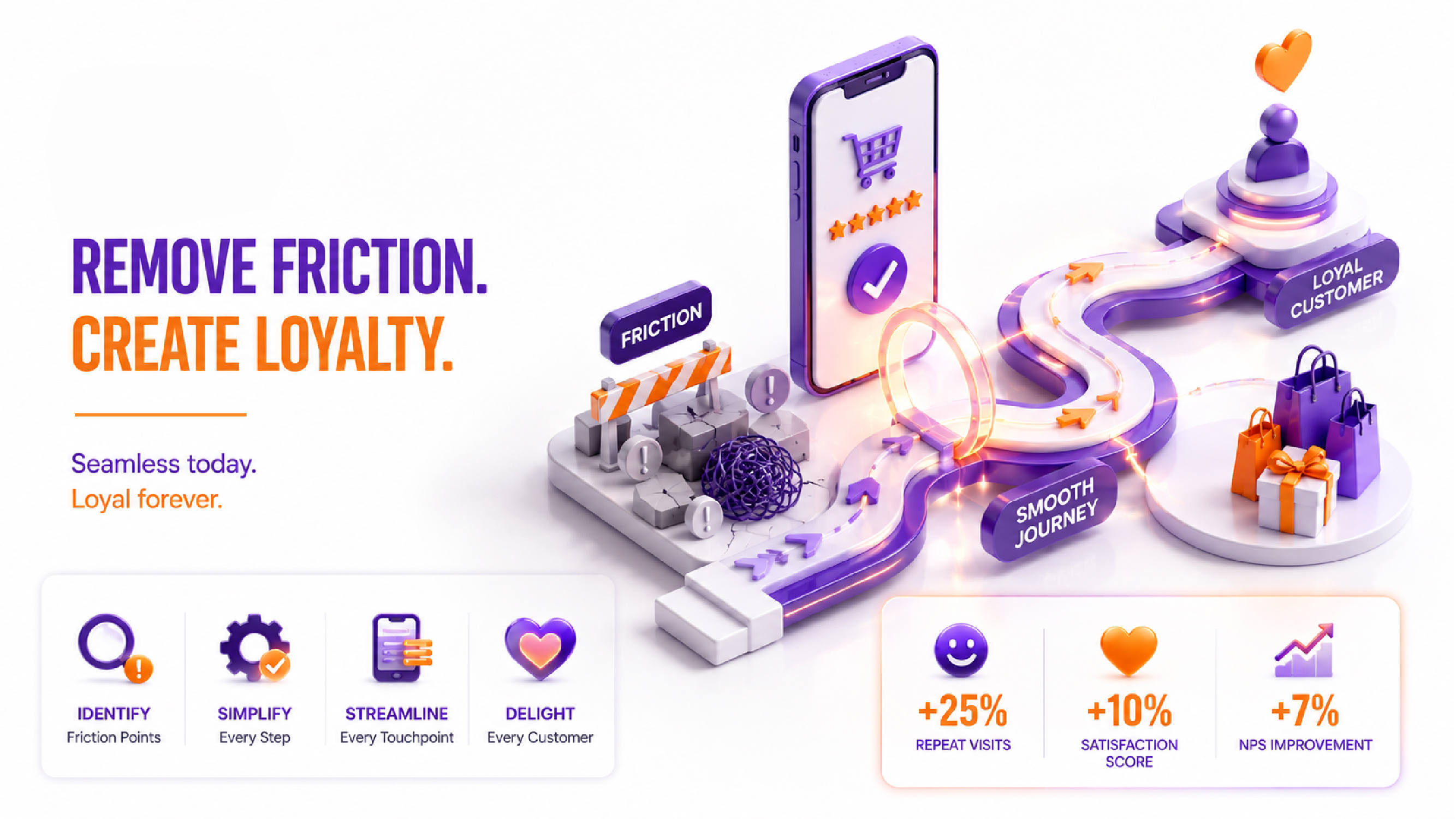
Friction points can undermine the seamless customer experience. Identify and address any issues that might hinder a positive interaction. For example, streamlining checkout processes or improving website navigation can significantly enhance user satisfaction.
Example: The POS as the Starting Line
Viewing the point of sale (POS) not as an endpoint but as a starting line reinforces emotional connections. After a purchase, follow up with personalized thank-you messages and offers for future visits. This extends the customer journey beyond the transaction itself.
The Zero-Point Loyalty Framework Implementation Guide
Implementing the Zero-Point Loyalty Framework requires a strategic approach to ensure its effectiveness. Here’s a step-by-step guide to help you build emotional connections with your customers:
1. Data Collection: Begin by gathering comprehensive data on customer preferences, behaviors, and interactions using CRM systems.
2. Customer Segmentation: Segment customers based on RFM scores (Recency, Frequency, Monetary) to tailor personalized experiences.
3. Experience Design: Create memorable brand experiences that resonate with your audience’s values and needs. This could include exclusive events, product previews, or personalized styling sessions.
4. Seamless Experiences: Ensure every customer interaction is seamless and positive by addressing friction points in both online and offline touchpoints.
5. Feedback Loop: Regularly collect feedback through surveys, reviews, and direct communication to refine your loyalty program continuously.
6. Measurement Metrics: Focus on emotional metrics such as NPS, repeat visit rates, and customer satisfaction scores to measure success.
Step 4: Engage Customers Through Social Media
Social media platforms offer valuable opportunities to engage customers emotionally. Share behind-the-scenes content, user-generated stories, and interactive campaigns that foster a sense of community around your brand. An apparel chain in West India leveraged Instagram Live sessions to showcase fashion trends and styling tips, engaging thousands of followers.
Example: Real-Time Engagement
Real-time engagement through social media can build instant connections with customers. Responding promptly to comments, messages, and reviews demonstrates care and attention to detail, reinforcing emotional loyalty.
Step 5: Collect Feedback and Iterate
Regularly gather customer feedback through surveys, reviews, and direct communication. Use this data to refine your loyalty program and improve the overall experience. Continuous iteration ensures that your efforts remain relevant and effective in fostering emotional connections.
Example: The 3-Stage Rebound Model
Implement a structured approach to recover customers who show signs of disengagement. This model includes proactive outreach, personalized offers, and tailored experiences to rekindle interest and rebuild loyalty.
Step 6: Measure Success with Emotional Metrics
Traditional metrics like sales volume and transaction frequency may not fully capture the value of emotional connections. Focus on qualitative measures such as customer satisfaction scores, Net Promoter Scores (NPS), and repeat visit rates.
Deeper Explanation in Step 6: Why Emotional Metrics Matter
Measuring success through traditional quantitative metrics can overlook the qualitative impact of emotional loyalty. Qualitative data like NPS captures a deeper understanding of customer sentiment and satisfaction. Customer satisfaction scores also provide insights into how emotionally connected customers feel with your brand, while repeat visit rates reflect the strength of these connections.
By focusing on emotional metrics, retailers gain a more holistic view of their customer relationships and can make informed decisions to enhance loyalty programs effectively.
Frequently Asked Questions
1. What are the benefits of implementing a zero-point loyalty strategy?
The zero-point loyalty strategy eliminates the need for customers to accumulate points or rewards, instead focusing on providing ongoing value through experiences and interactions. This approach leads to increased customer engagement, retention, and ultimately, revenue growth as customers become more loyal and committed to the brand.
2. How can I increase customer retention and revenue growth using emotional loyalty?
By leveraging emotional loyalty, retailers can create a sense of belonging among their customers, fostering repeat business and driving revenue growth. This can be achieved through tactics such as birthday rewards, anniversary discounts, or exclusive early access to new products, which make customers feel seen and appreciated.
3. What is better, points-based or experience-based loyalty programs?
Experience-based loyalty programs are often more effective than points-based systems in driving emotional connections with customers. By offering unique experiences, retailers can create lasting memories that resonate with their target audience, whereas points-based systems can feel transactional and impersonal.
4. Can emotional loyalty really drive business results in retail?
Emotional loyalty has been shown to have a direct impact on business outcomes in retail, including increased customer retention, revenue growth, and brand advocacy. By prioritizing emotional connections with customers, retailers can build long-term relationships that pay dividends for their bottom line.
Key Takeaway: Emotional loyalty drives long-term revenue growth, with 75% of retailers reporting higher customer retention rates after implementing experience-based rewards. Focus on building emotional connections to increase customer lifetime value.