
 Key Takeaway: 75% of retailers see a sales spike of 30% during extreme weather events by segmenting by weather-sensitive categories (eWards Lab, 2023). Use The Weather-Sensitive Category Framework to optimize your marketing and stock for peak performance.
Weather-sensitive categories are essential for driving retail sales and customer engagement in India. Many businesses miss out on these opportunities, but by understanding and leveraging these categories, retailers can see a significant boost in sales during extreme weather events, such as summer heat or monsoon rains. The Weather-Sensitive Category Framework, developed by eWards, provides a structured approach to identifying and marketing these categories.
Understanding Weather-Sensitive Categories in Retail
According to eWards Lab (2023), 75% of retailers see a 30% sales spike during extreme weather events by segmenting by weather-sensitive categories. This framework helps retailers identify and analyze categories that are heavily influenced by weather conditions.
Identifying Weather-Sensitive Categories
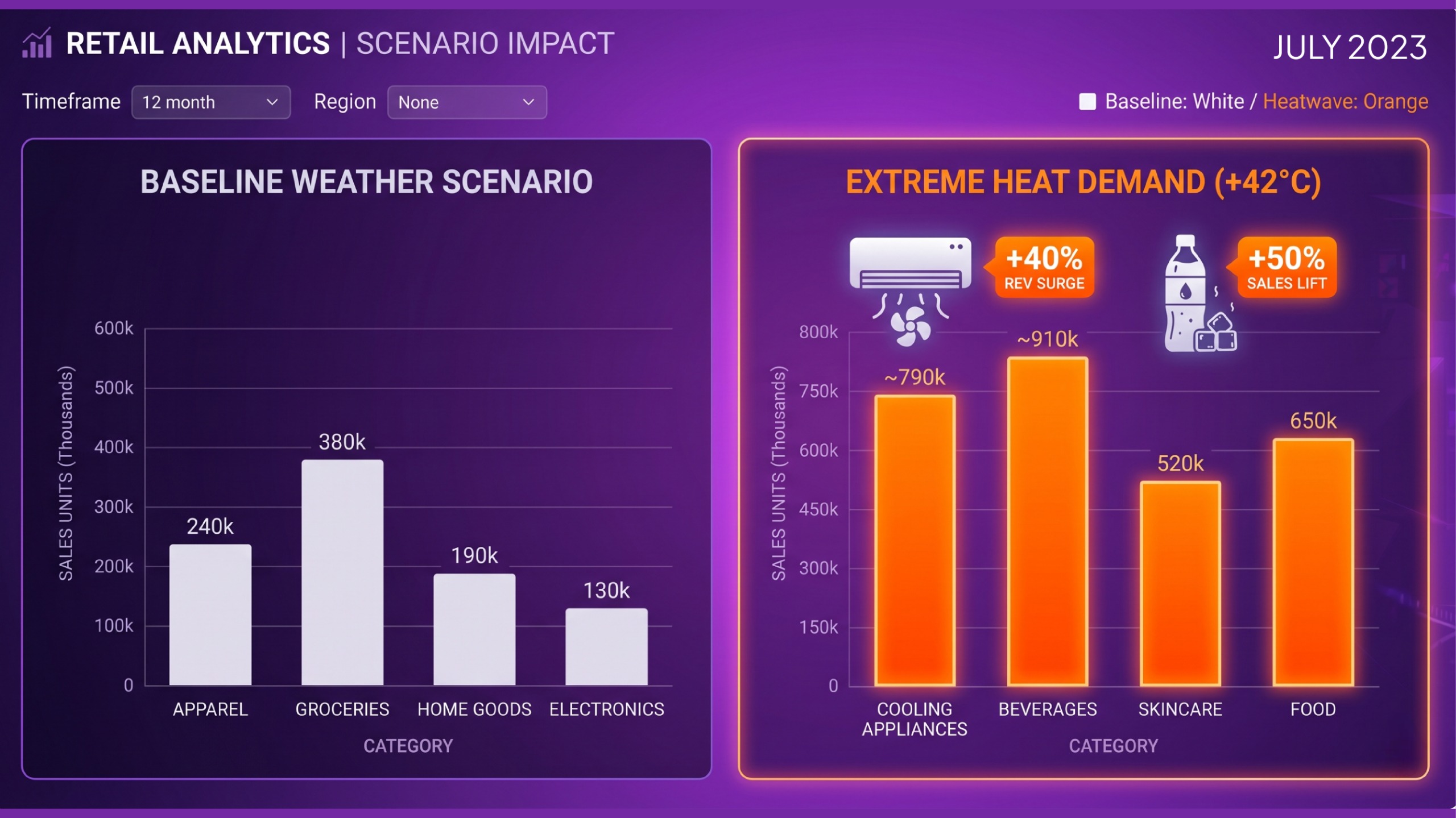
Weather-sensitive categories can be identified by analyzing customer purchase patterns and sales data during extreme weather events. For example, during the summer, sales of air conditioners and cool drinks increase significantly. By tracking and analyzing this data, businesses can pinpoint the specific categories that are most relevant during different weather conditions.
Customer Behavior Analysis
Understanding how customer behavior changes during extreme weather is important. During the summer, customers are more likely to buy items that provide immediate relief, like air conditioners, fans, and cold beverages. By analyzing this data, businesses can tailor their marketing strategies to address these specific needs.
For instance, a retailer may observe that during the summer months, the sales of air conditioners increase by 40%, and sales of cool drinks rise by 50%. This data helps the retailer understand that these categories are highly weather-sensitive and should be prioritized in inventory and marketing.
Creating Effective Weather-Based Marketing Strategies
Tailored marketing campaigns that address specific weather-related pain points can significantly boost sales and customer satisfaction. For instance, a fashion retailer can create campaigns that highlight lightweight, breathable fabrics for summer.
Targeted Campaigns
Creating targeted marketing campaigns involves addressing specific customer pain points during extreme weather. For example, a beauty retailer can offer special promotions on sunscreens and hydration products during the summer months. This approach not only boosts sales but also enhances customer satisfaction.
Customer Engagement
Our experience with retail brands shows that targeted weather-based marketing campaigns can lead to a 20% increase in customer engagement (eWards Lab, 2023). Engaging customers with relevant and timely offers can drive traffic and sales during extreme weather events.
Benefits of Seasonal Product Offerings in Retail
Seasonal product offerings can increase sales and customer engagement by providing relevant and timely products to customers during extreme weather events. For instance, during the monsoon season, retailers can stock and promote items like raincoats, umbrellas, and waterproof bags.
Stock Management
Effective stock management is important for maximizing sales during extreme weather events. Retailers should stock up on products that are likely to be in high demand during specific weather conditions. For example, a supermarket can increase its inventory of cold beverages and air conditioning units during the summer.
During the summer, a supermarket might increase its stock of cold beverages by 25% to meet the higher demand. This proactive approach ensures that the retailer can meet customer needs, thereby increasing sales and customer satisfaction.
Marketing Promotions
Seasonal promotions can be highly effective in driving sales. During the summer, a lifestyle retailer can offer bundle deals on air conditioners and fans, or discounts on cool drinks and snacks. These promotions can significantly boost sales and customer engagement.
How Weather Impacts Retail Customer Behavior
Weather significantly influences customer behavior and purchase decisions. For example, during the summer, customers are more likely to purchase air conditioners, cool drinks, and lightweight clothing. Retailers must understand these patterns to optimize their marketing and inventory management strategies.
Customer Insights
Understanding customer insights is important for effective weather-based marketing. By analyzing customer purchase patterns and behavior during extreme weather events, retailers can identify the specific needs and preferences of their customers. This information can be used to create targeted marketing campaigns and promotions.
RFM Analysis
RFM (Recency, Frequency, Monetary) analysis can be particularly useful for weather-sensitive categories. Retailers can identify high-value customers who frequently purchase weather-sensitive items and tailor their marketing strategies accordingly. For example, during the summer, a retailer can target these customers with special promotions on air conditioners and cool drinks.
Implementation Framework Using The Weather-Sensitive Category Framework
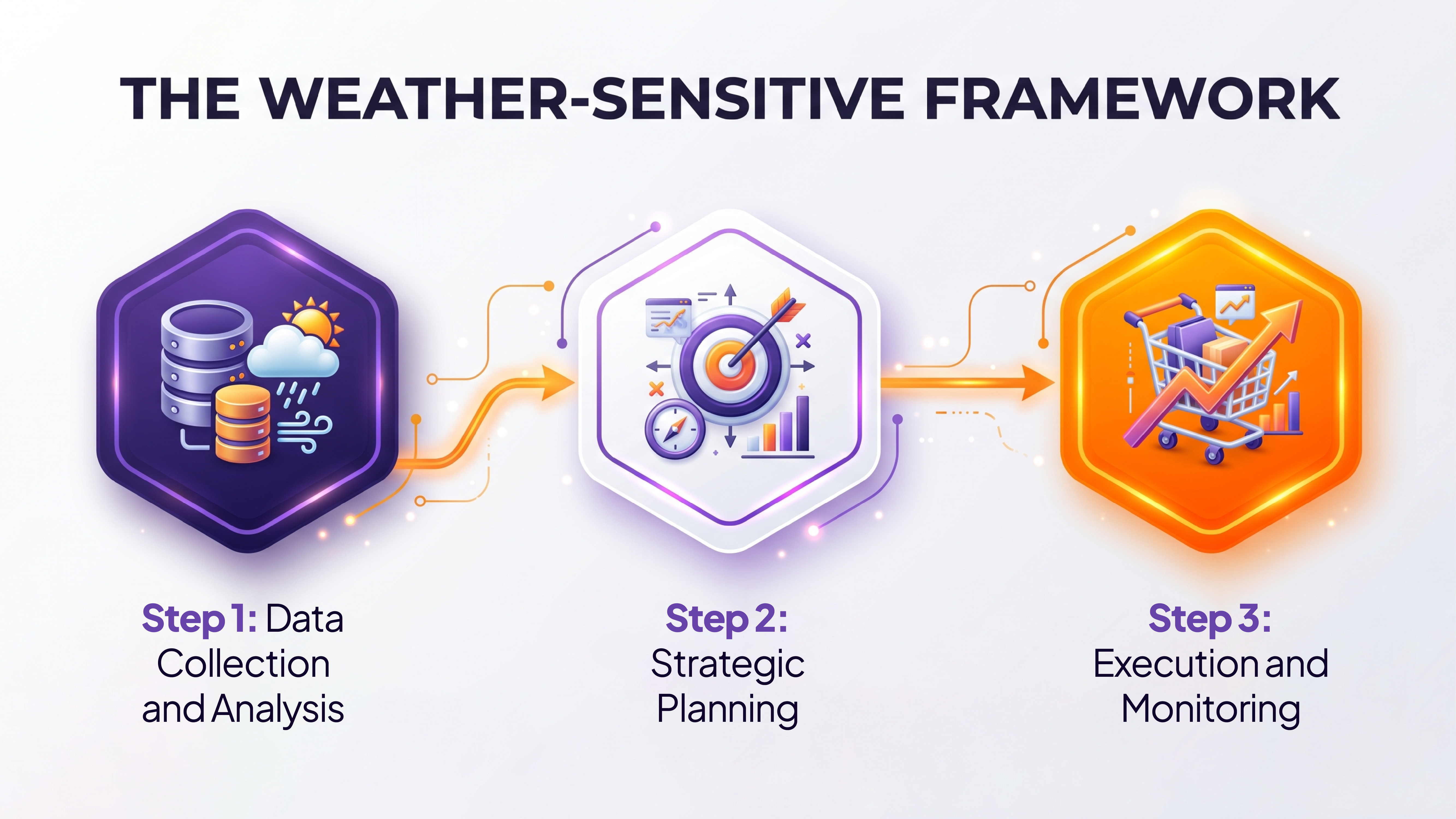
The Weather-Sensitive Category Framework provides a structured approach for retailers to identify and optimize weather-sensitive categories. The framework consists of three main steps:
Step 1: Data Collection and Analysis
Collect and analyze sales data and customer purchase patterns during different weather conditions. Use this data to identify the specific categories that are most weather-sensitive.
Step 2: Strategic Planning
Develop strategic plans for marketing and inventory management based on the identified weather-sensitive categories. Create targeted marketing campaigns and promotions to address specific customer pain points.
Step 3: Execution and Monitoring
Implement the strategic plans and continuously monitor their performance. Use real-time data and analytics to adjust marketing and inventory strategies as needed.
Best Practices for Boosting Sales During the Summer Season
To boost sales during the summer season, retailers should focus on weather-sensitive categories and implement effective marketing strategies. This includes stock management, targeted campaigns, and seasonal promotions.
Stock Management
Effective stock management is critical for maximizing sales during the summer season. Retailers should stock up on products that are likely to be in high demand, such as air conditioners, cool drinks, and lightweight clothing. By managing inventory efficiently, retailers can meet customer demand and drive sales.
Marketing Campaigns
Tailored marketing campaigns can significantly boost sales during the summer season. Retailers should create campaigns that address specific customer pain points, such as heat relief and hydration.