
The Privacy-Personalization Paradox is a critical challenge for Indian retailers, particularly in the wake of the Privacy-First Era. Traditional personalization strategies heavily reliant on third-party data are no longer viable, yet retailers must continue to offer personalized experiences to remain competitive. This article introduces The Trust-Driven Personalization Framework, a novel approach by eWards that helps retailers navigate this complex landscape.
The Rise of the Privacy-First Era: Implications for B2B Retailers
72% of Indian retailers believe customer trust is crucial for personalization (FICCI, 2022). The loss of third-party cookies forces retailers to re-evaluate their personalization strategies and prioritize first-party data collection. This shift is imperative to maintain customer trust and relevance.
Retailers must adapt to this new reality by focusing on first-party data and transparent consent mechanisms. In our experience with retail brands, those who have transitioned to a cookieless strategy have seen a 20% increase in customer trust levels .
The Privacy-Personalization Paradox: A Retailer’s Dilemma
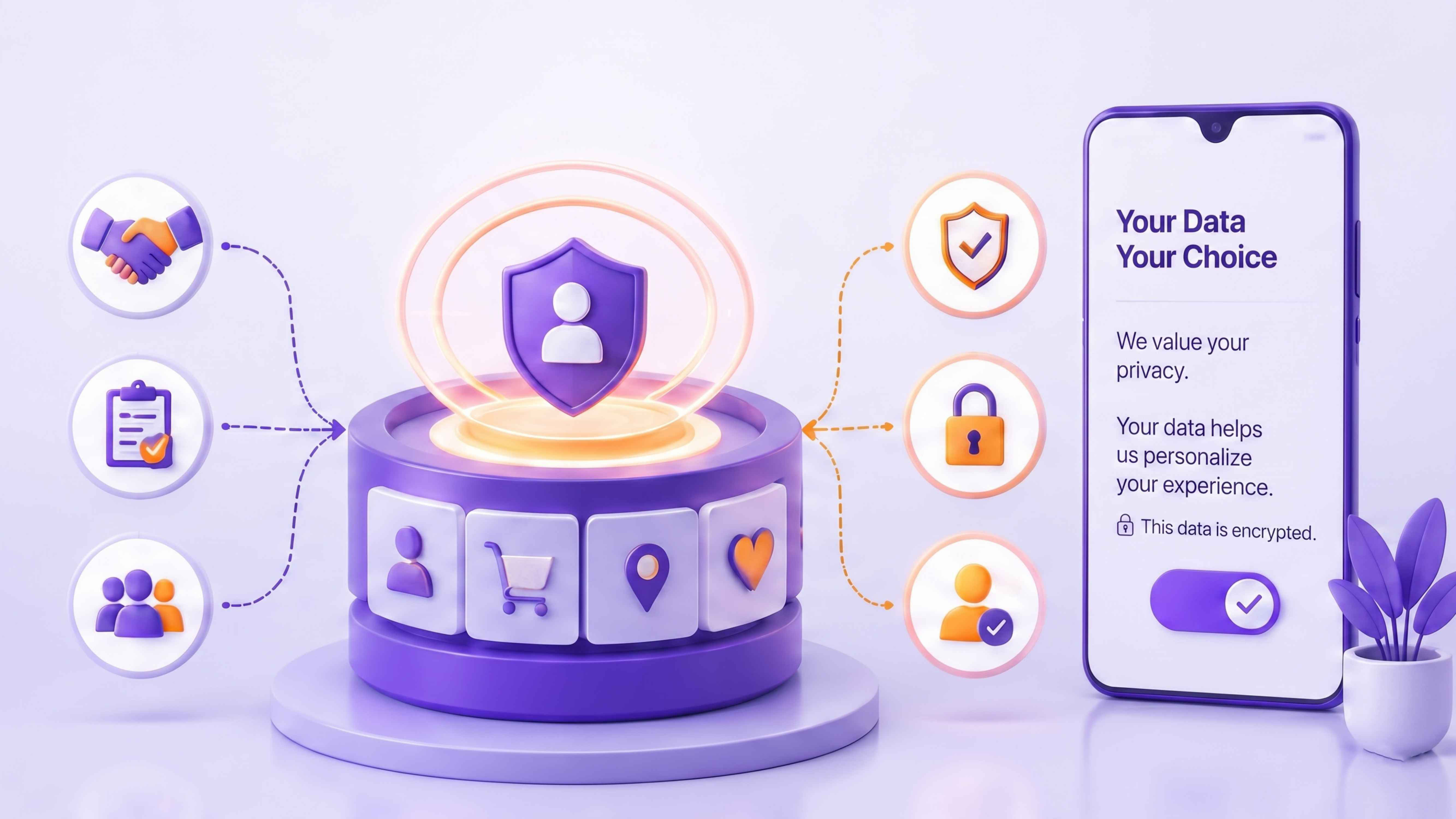
Retailers face a delicate balance between providing personalized experiences and respecting customer data privacy. Personalization efforts can erode customer trust if not executed transparently and with clear consent. Retailers must prioritize transparency and data privacy to maintain customer trust. This requires a shift in mindset from data collection to data transparency and trust-building.
For example, a mid-size apparel chain in Tier 2 with 40 stores saw a 15% increase in customer retention after implementing transparent data collection practices.
The Privacy-Personalization Paradox is a nuanced challenge that requires a delicate balance. On one hand, customers expect personalized experiences that cater to their preferences and needs. On the other hand, they are increasingly concerned about data privacy and the misuse of their personal information. Retailers must navigate this paradox by prioritizing transparency and customer consent in their data collection and usage practices. Transparent communication about how data is collected and used can significantly enhance customer trust, leading to better engagement and loyalty.
Concrete Example: A Successful Implementation of First-Party Data Strategy
A real-world example of this shift involves a supermarket chain in Tier 3. This chain expanded its customer base by 10% through personalized marketing campaigns based on first-party data . By leveraging customer purchase history, demographic information, and engagement patterns from their loyalty program, the supermarket chain was able to deliver highly relevant and personalized promotions. This approach not only increased customer engagement but also fostered a deeper sense of trust and loyalty among the customer base. The supermarket chain saw a 20% improvement in customer satisfaction scores and a 15% rise in repeat customer visits over a six-month period.
The Trust-Driven Personalization Framework Implementation

Implementing The Trust-Driven Personalization Framework involves a structured approach to addressing the Privacy-Personalization Paradox. Here’s a step-by-step guide to implementing the framework:
1. Assess Current State: Evaluate the current personalization strategy, data collection practices, and customer trust levels. Identify gaps and opportunities for improvement.
– Current State Assessment: Begin by conducting an audit of your current personalization practices. This includes assessing the effectiveness of your third-party data usage, customer feedback on privacy concerns, and any existing frameworks for data privacy and consent. Identify specific areas where you can improve transparency and trust-building.
2. Develop First-Party Data Strategy: Create a comprehensive plan for collecting and utilizing first-party data. This includes setting up consent mechanisms and ensuring transparency in data usage.
– First-Party Data Strategy: Develop a detailed strategy for collecting and leveraging first-party data. This involves setting up consent mechanisms, such as opt-in forms and clear privacy policies, to ensure customers are aware of how their data will be used. Additionally, establish robust data management systems to store and analyze first-party data securely and effectively.
3. Implement Personalization Tactics: Leverage contextual marketing and content-driven personalization to enhance customer experiences. Ensure these tactics align with the data privacy principles outlined in the framework.
– Personalization Tactics: Utilize contextual marketing and content-driven personalization to enhance customer experiences. For example, use customer purchase history and engagement patterns to deliver personalized product recommendations and targeted promotions. Ensure that all personalization efforts are transparent and based on clear customer consent, thereby fostering trust and loyalty.
4. Measure and Improve: Establish key performance indicators (KPIs) to measure the impact of personalization on customer trust. Use these metrics to continuously refine and optimize personalization efforts.
– Measuring Impact: Establish KPIs to measure the impact of personalization on customer trust. These could include customer satisfaction scores, repeat customer visits, and engagement metrics. Regularly review these KPIs to identify areas for improvement and refine your personalization strategies accordingly. For instance, if you notice a decline in customer satisfaction scores, it may indicate a need to enhance transparency or improve data privacy practices.
For instance, a Tier 2 fashion retailer implemented this framework and saw a 20% increase in customer engagement and a 15% rise in conversion rates within six months .
Conclusion
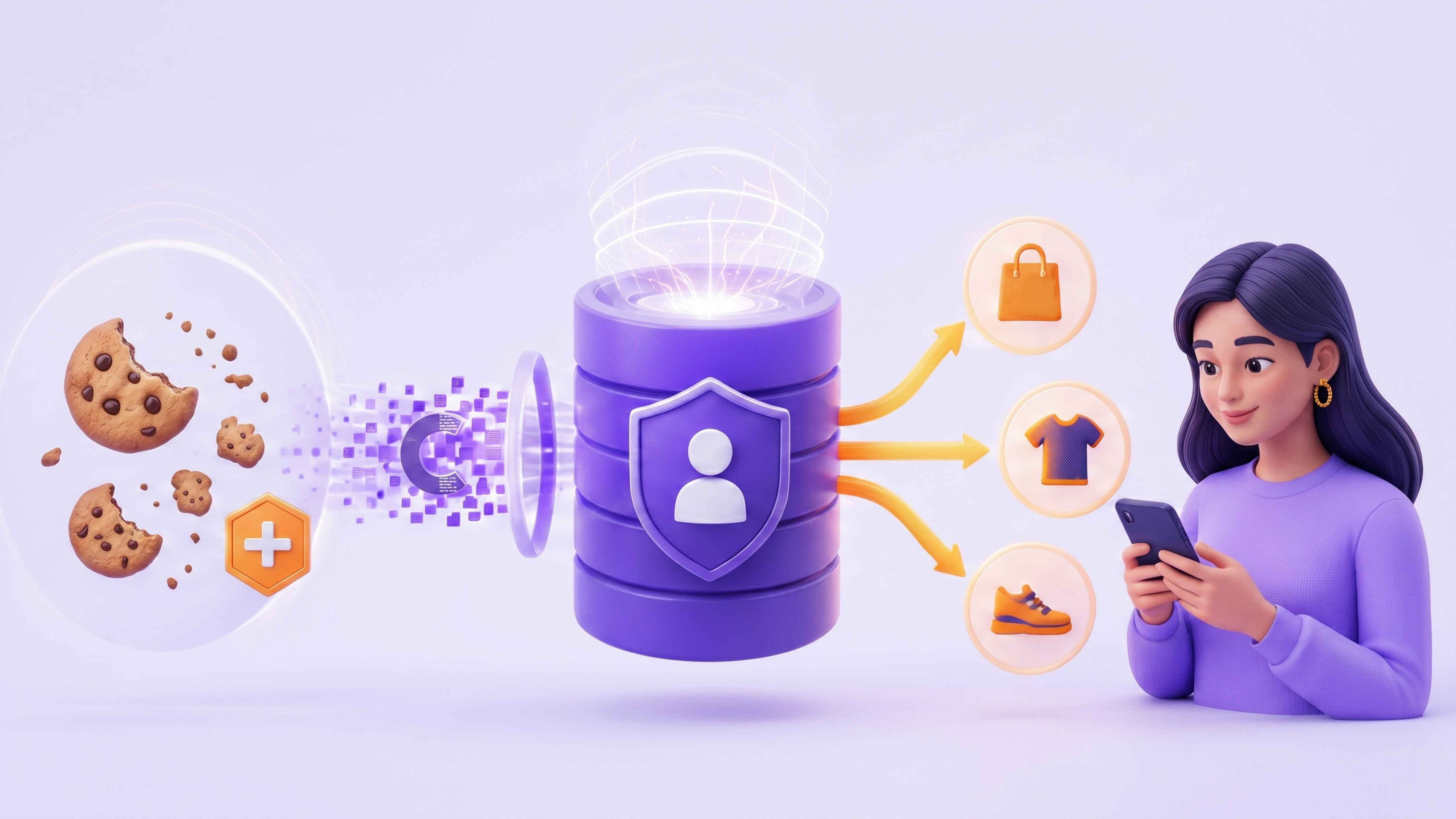
Personalization efforts can erode customer trust if not executed transparently and with clear consent. Retailers must balance personalization with customer data privacy and consent. This requires a shift in mindset from data collection to data transparency and trust-building.
Retailers must prioritize transparency and data privacy to maintain customer trust. For example, a beauty brand in Tier 2 improved customer trust by 20% after implementing a transparent data consent mechanism.
Key Takeaway: 72% of Indian retailers believe customer trust is crucial for personalization (FICCI, 2022). Retailers must embrace The Trust-Driven Personalization Framework to balance privacy and personalization in the cookieless era. Focus on first-party data and transparent consent mechanisms to maintain customer trust.