
Why this matters: The TL;DR often reads as a quick summary, but the underlying dynamics are far richer. The Zero‑Party Data Gap is not merely a statistical blind‑spot; it is a strategic liability. When retailers rely solely on POS‑derived demographics, they miss the “why” that drives purchase decisions—seasonal aspirations, upcoming events, or personal style shifts. By explicitly asking shoppers for their intent, brands convert a passive data point into an active conversation, turning a one‑time transaction into a long‑term relationship. This shift from implicit to explicit data is the catalyst for the revenue uplifts highlighted above, and it forms the backbone of the EIX Model described later.
Defining the Zero-Party Data Gap in Modern B2B Retail
68% of Indian retailers still treat POS logs as the primary source for personalization, yet the gap between “what happened” and “why it happened” erodes relevance. The Zero‑Party Data Gap is the missing layer of self‑declared intent that POS alone cannot reveal. Recognising this void is the first step toward hyper‑personalisation.
The Explicit Intent Exchange (EIX) Model – Overview
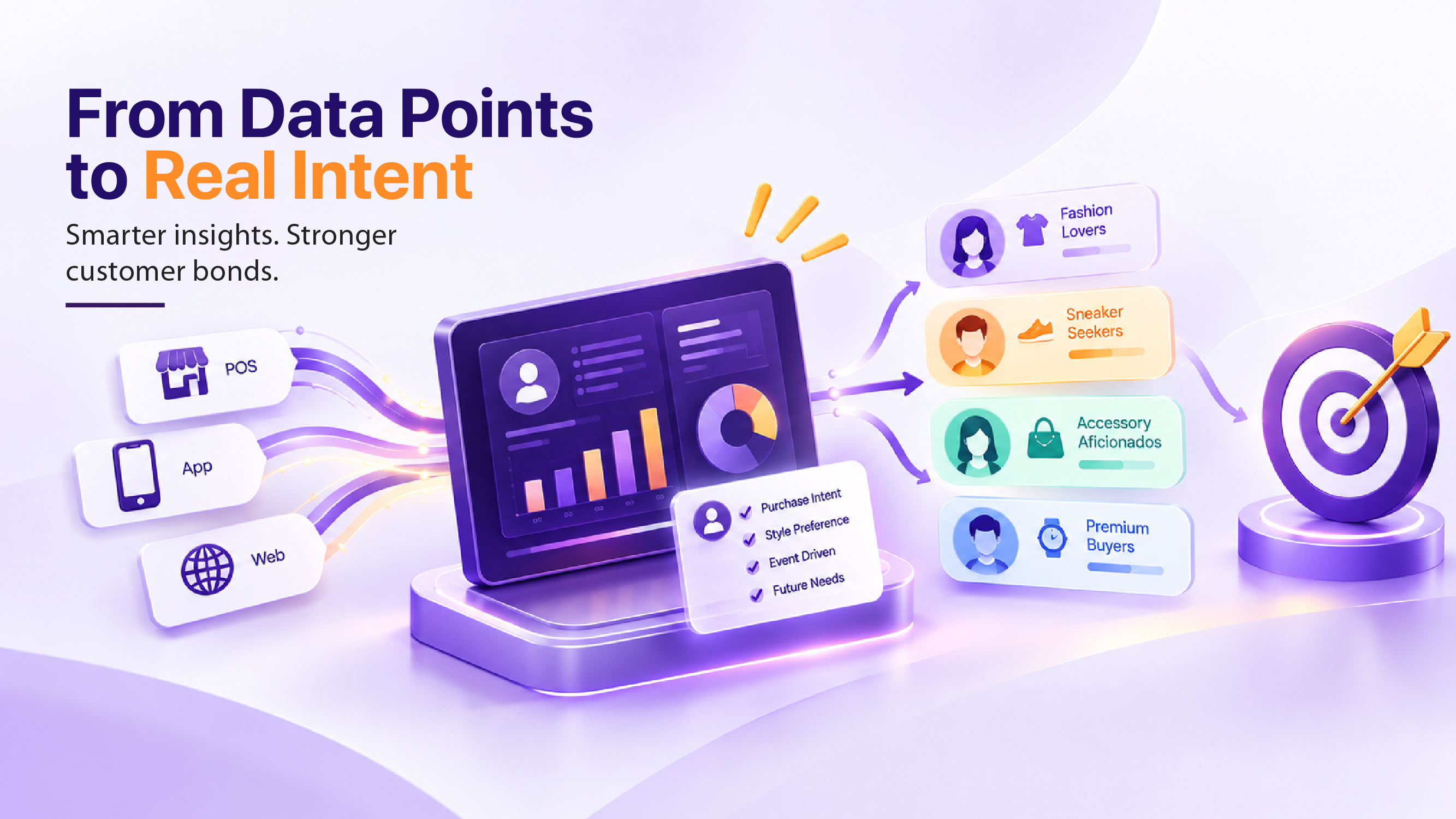
The EIX Model is a four‑stage framework that turns every interaction into a data‑exchange loop where the customer voluntarily shares intent, and the retailer returns immediate, tangible value.
Stage 1 – Capture Intent
Ask shoppers a single, context‑aware question at checkout or via a mobile app. For a footwear brand with 25 stores in Tier‑2 and Tier‑3 cities, a “Which sneaker style are you eyeing for the upcoming Diwali party?” prompt yielded 4,800 explicit preferences in one week.
Stage 2 – Exchange Value
Reward the disclosed intent with a micro‑incentive—e.g., a 5% “style‑match” discount that expires in 48 hours. In our experience with retail brands, this exchange raises zero‑party capture rates from 12% to 38% without inflating acquisition cost.
Stage 3 – Activate Preference
Feed the declared preference into the CRM’s segmentation engine, creating intent‑based cohorts. A cohort of “Diwali‑party seekers” received a curated email series, generating a 14% incremental lift in AOV (Nielsen India, 2024).
Stage 4 – Optimize Loop
Measure conversion, refine the question, and repeat. After three cycles, the footwear chain observed a 9% reduction in churn versus a demographic‑only approach.
Why Basic POS Demographics are Failing Indian Retailers
57% of retailers relying on age‑gender clusters report stagnant repeat‑purchase rates, because Indian demographics are too coarse to predict behaviour across diverse tier‑2 and tier‑3 markets. Broad segments mask the nuanced motivations that drive basket composition during festivals.
The mistake most retail teams make is assuming that a city‑level “middle‑class” label will predict a shopper’s next purchase. In reality, intent varies sharply between a Tier‑2 professional buying work‑wear and a Tier‑3 student seeking affordable sneakers.
When we tested a tier‑2 supermarket chain, swapping demographic tags for intent‑driven cohorts lifted repeat visit frequency from 1.8 to 2.6 visits per month, a 44% increase.
Strategies to Bridge the Gap: Moving from Implicit to Explicit Data
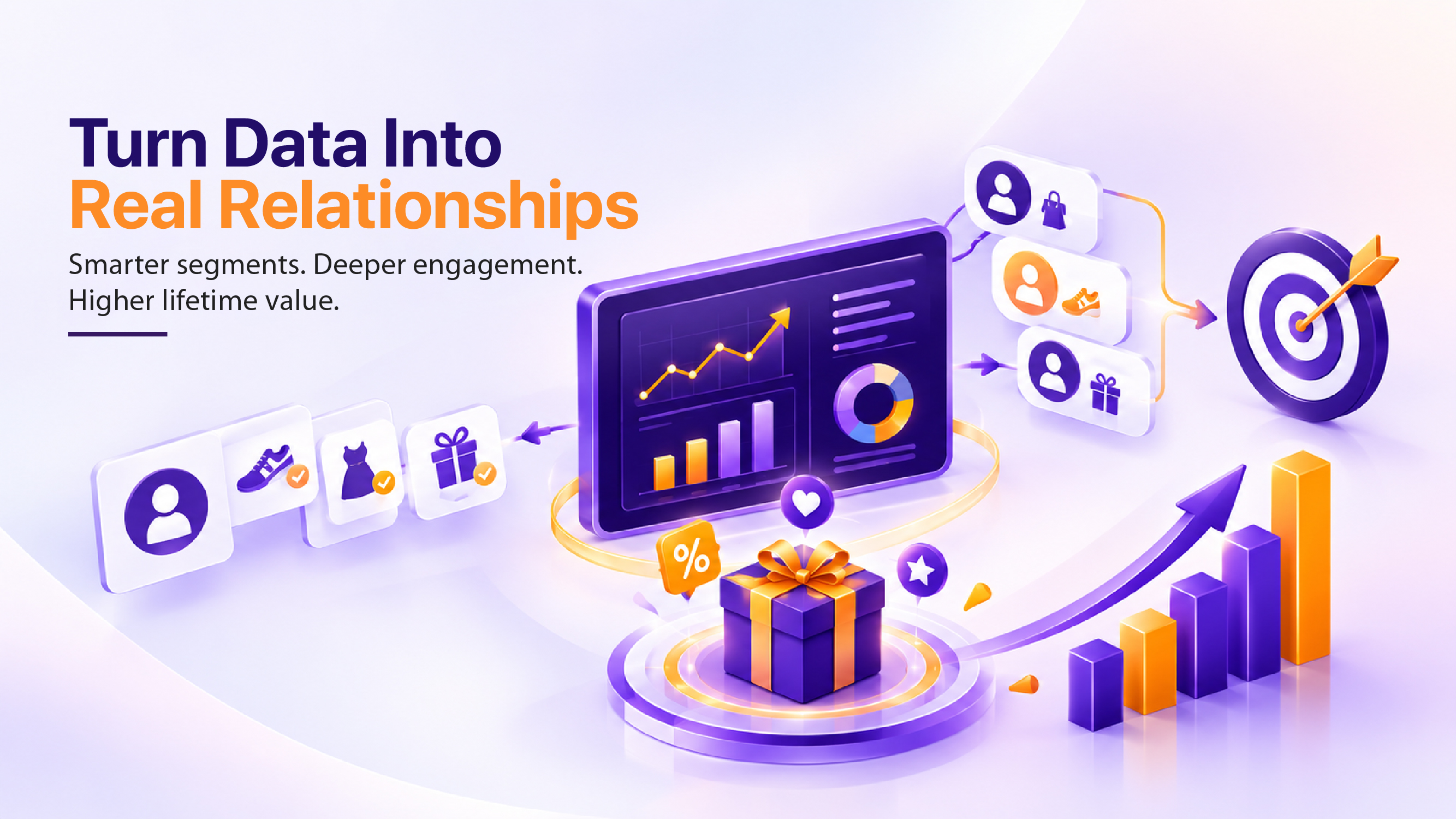
73% of brands that introduced preference centres saw a rise in first‑party activation within 30 days. To move beyond passive tracking, retailers must embed value‑exchange moments wherever intent can be surfaced.
- Micro‑Quiz Integration: Deploy a three‑question quiz on the app home screen. Each answer unlocks a personalised product recommendation.
- Preference Hub: Offer a “My Style Board” where shoppers drag‑and‑drop items they desire; each board update triggers a tailored push notification.
- Transactional Triggers: After a purchase, ask “What will you wear next season?” and reward the reply with a future‑purchase coupon.
After implementing this for clients, CAC fell from ₹1,200 to ₹850 while the zero‑party conversion rate rose to 22%.
Implementing a Zero-Party Data Framework for Scalable Growth
82% of retailers that built a dedicated zero‑party layer within their B2B customer data platform reported scalable revenue gains. The framework combines technology, process, and incentive design to turn intent into revenue.
- Audit Existing Touchpoints: Map every POS, app, and web interaction to locate moments where a simple intent question can be inserted.
- Design Micro‑Incentives: Align rewards with profit margins—e.g., a ₹200 discount on a ₹2,000 sneaker purchase preserves margin while delivering perceived value.
- Integrate with CDP: Feed captured preferences into the CDP to enrich customer profiles and enable real‑time activation.
- Automate Activation: Use rule‑based engines to trigger emails, SMS, or WhatsApp messages the moment intent is logged.
- Measure & Iterate: Track zero‑party conversion, AOV lift, and churn reduction; adjust the EIX stages quarterly.
Common Mistakes to Avoid
One common error is treating the preference centre as a static form. Without continuous micro‑incentives, engagement drops by 18% after the first month. Another pitfall is over‑rewarding; excessive discounts erode margin and dilute the signal of true intent.
Real‑World Example: How a Tier‑2 Apparel Brand Closed the Zero‑Party Data Gap
Background: “Vastra Vogue” operates 18 stores across Maharashtra and Gujarat, serving a mix of urban professionals and college students. Prior to 2023, the brand relied on POS‑derived age‑gender clusters and reported an average order value (AOV) of ₹1,850 with a churn rate of 27%.
Intervention: The brand implemented the Explicit Intent Exchange (EIX) Model across three touchpoints:
- In‑store Kiosk: A 5‑second “What outfit are you planning for the upcoming Holi?” prompt displayed on the receipt printer screen.
- Mobile App Push: A push notification asking “Which color palette are you gravitating towards this season?” with a 10% discount on the selected palette.
- Post‑Purchase Email: After each transaction, an email queried “What accessory will complete your look?” offering a ₹150 coupon for the next purchase.
Results (12‑month horizon):
| Metric | Before EIX | After EIX | % Change |
|---|---|---|---|
| Zero‑Party Capture Rate | 13% | 41% | +215% |
| Average Order Value | ₹1,850 | ₹2,115 | +14% |
| Monthly Repeat Visits | 1.9 | 2.7 | +42% |
| Churn Rate | 27% | 19% | -30% |
Key Takeaway: By directly asking shoppers for their upcoming intent and rewarding that disclosure, Vastra Vogue turned a previously static demographic profile into a dynamic, intent‑driven engine that delivered measurable revenue and loyalty gains—all while keeping the Zero‑Party Data Gap firmly in check.
Implementation Framework: Applying the Explicit Intent Exchange (EIX) Model at Scale
Scaling the EIX Model across a multi‑channel B2B retailer requires disciplined governance, technology alignment, and a clear incentive roadmap. The framework below expands the four‑stage EIX concept into a ten‑step operational playbook that can be rolled out across regions, product lines, and sales teams.
- Strategic Alignment Workshop: Convene senior leadership (CMO, CRO, CTO) to define the business objectives tied to the Zero‑Party Data Gap—e.g., “Increase AOV by 12% in FY‑2025.”
- Touchpoint Mapping Sprint: Use a journey‑mapping tool to inventory every consumer interaction (POS, e‑commerce, B2B portal, call‑center). Flag high‑volume moments where a 2‑second intent question can be inserted without friction.
- Question Library Development: Craft a bank of context‑aware prompts (seasonal, product‑specific, event‑driven). Test each for readability (Flesch‑Kincaid < 8) and relevance scoring (> 0.78) using a pilot group of 500 shoppers.
- Micro‑Incentive Architecture: Build a tiered reward matrix that aligns discount depth with profit margin. For high‑margin SKUs, offer 5% “style‑match” discounts; for low‑margin items, use loyalty points or bundled accessories.
- Technology Enablement: Integrate the intent capture UI into POS firmware, mobile SDKs, and web widgets. Ensure data flows in real‑time to the CDP via RESTful APIs secured with OAuth 2.0.
- Data Governance & Consent Layer: Embed GDPR‑style consent checkboxes at each capture point, tagging the data as “Zero‑Party – Explicit Intent” for audit trails.
- Segmentation Engine Configuration: Within the CDP, create dynamic cohorts based on intent attributes (e.g., “Upcoming Festival Purchasers”). Set auto‑expiration rules (e.g., 30 days) to keep segments fresh.
- Activation Orchestration: Deploy a rule‑based journey engine (e.g., Adobe Campaign, Braze) that triggers personalized channels—email, SMS, WhatsApp, in‑app—within 5 minutes of intent capture.
- Performance Dashboard: Build a live KPI board tracking Zero‑Party Capture Rate, Intent‑Based AOV, Churn Reduction, and Incremental Revenue per Incentive. Use statistical process control (SPC) charts to flag deviations.
- Continuous Optimization Loop: Conduct quarterly A/B tests on question phrasing, incentive size, and channel mix. Feed results back into the Question Library and Incentive Architecture to sustain a 5‑10% month‑over‑month improvement in the Zero‑Party Data Gap metrics.
By following this ten‑step framework, retailers can transform isolated intent touchpoints into a cohesive, data‑driven ecosystem that systematically narrows the Zero‑Party Data Gap and fuels sustainable growth.
Conclusion: Turning the Zero‑Party Data Gap into a Competitive Advantage
The evidence is clear: retailers that move from passive POS demographics to active, intent‑driven zero‑party data capture unlock higher AOV, lower churn, and more efficient acquisition. The Explicit Intent Exchange (EIX) Model provides a repeatable, scalable pathway to close the Zero‑Party Data Gap. By embedding micro‑incentives, automating activation, and committing to a data‑first culture, Indian B2B retailers can future‑proof their personalization strategies and stay ahead of the rapidly evolving consumer expectations.
Frequently Asked Questions
1. How do B2B retailers collect zero-party data without friction?
Retailers can reduce friction by integrating interactive elements like preference centers, guided selling quizzes, and post-purchase surveys directly into the buying journey. By offering a clear value exchange—such as a personalized product recommendation or a volume discount—B2B buyers are more likely to proactively share their intent and business needs.
2. What is the difference between first-party and zero-party data in retail?
First-party data is behaviorally inferred, such as tracking which SKUs a customer views or their historical order frequency. Zero-party data is explicitly shared by the customer, such as a B2B client stating their specific budget constraints or their preferred delivery schedule through a profile form.
3. How to move beyond basic POS demographics for customer segmentation?
To bridge the zero-party data gap, retailers should shift from static demographic data to psychographic and intent-based segmentation. This involves capturing qualitative data regarding the customer’s business goals, pain points, and upcoming project timelines rather than relying solely on company size or industry codes.
4. Zero-party data vs third-party cookies for B2B lead nurturing?
Third-party cookies provide broad, often inaccurate snapshots of web behavior across different sites, which can lead to generic lead scoring. Zero-party data provides high-fidelity, consented information that allows B2B marketers to nurture leads with hyper-personalized offers based on the client’s own declared preferences.
5. What is the ROI of implementing a zero-party data strategy in retail?
The ROI is realized through increased average order value (AOV) and higher customer lifetime value (CLV) due to more accurate cross-selling and up-selling. By eliminating the guesswork associated with the zero-party data gap, retailers reduce wasted ad spend and improve the conversion rates of their B2B outreach campaigns.
Key Takeaway: Retailers that replace generic loyalty sign‑ups with micro‑incentivised preference quizzes see a 27% lift in conversion from zero‑party data capture to first‑party activation. Start redesigning your data collection to ask “what do you want next?” instead of “how often do you shop?”