
Repeat isn’t a KPI. It’s a growth engine. In today’s competitive market, customer retention is emerging as one of the most effective levers for scaling profitability.
This concept revolves around the Repeat Rate Flywheel, a powerful framework that showcases how consistent customer retention can build momentum over time, compounding growth at scale. When you get it right, retention not only reduces your customer acquisition cost (CAC) but also drives long-term revenue at lower operational costs.
In this article, we will dive into how the Repeat Rate Flywheel works, why it compounds as you scale, and how you can implement strategies to leverage this model for exponential growth.
What Is the Repeat Rate Flywheel?
At its core, the Repeat Rate Flywheel is a business model that focuses on turning first-time buyers into repeat customers and building ongoing value through customer retention. As more customers return to purchase again, the flywheel accelerates lowering your overall customer acquisition cost (CAC) and increasing your Customer Lifetime Value (CLV).
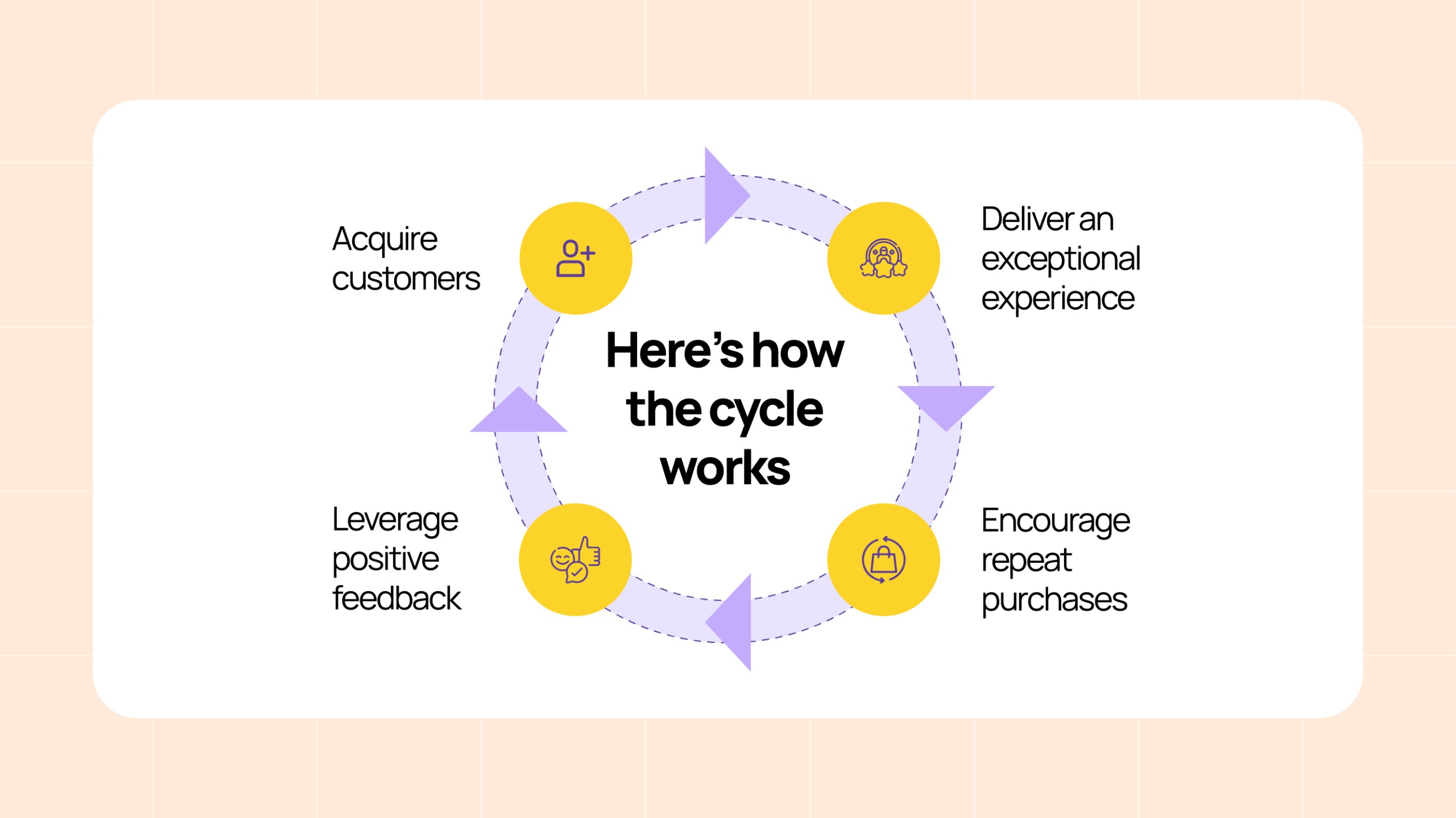
Here’s how the cycle works:
- Acquire customers – Attract new customers to your business through targeted marketing and ads.
- Deliver an exceptional experience – Ensure a positive, seamless experience that makes customers feel valued.
- Encourage repeat purchases – Implement retention strategies (e.g., loyalty programs, personalized offers) that bring customers back.
- Leverage positive feedback – Happy repeat customers become your best advocates, generating new leads and customers.
The more customers repeat their purchases, the stronger the flywheel spins, creating a sustainable growth loop with lower acquisition costs.
Why Does Retention Compound at Scale?
The Power of Customer Loyalty
Retention compounds because loyal customers tend to spend more over time. According to research by Omnisend, a loyal customer is 9x more likely to make another purchase than a new one. Over time, as customers make repeated purchases, the overall cost of acquiring them drops significantly.
- Low cost to re-engage: Retaining customers costs less than acquiring new ones. You’re no longer paying for new ads, marketing campaigns, or outreach. Instead, you’re simply encouraging existing customers to come back, leveraging automated systems (like email or SMS reminders) to prompt their next purchase.
- Higher average order value (AOV): As customers return, they often increase their average order value. Familiarity with your brand leads them to explore more products, higher-tier items, or bundles, naturally increasing their overall spend.
- Positive feedback loops: Happy customers refer others, and your social proof (reviews, testimonials, referrals) strengthens with every repeat purchase. More customers = more advocates, creating even more opportunities for future sales.
Retention vs. Acquisition: The Cost Advantage
According to Harvard Business Review, acquiring a customer can cost anywhere from 5 to 25x more than retaining an existing one. As your business grows, the ability to reduce acquisition cost by focusing on retention becomes increasingly valuable.
For instance, let’s say you spent ₹100 to acquire a customer. If that customer buys only once, your CAC remains ₹100. However, if that customer returns and purchases again, your CAC decreases because you already spent the ₹100 upfront. With repeat purchases, that same ₹100 now covers multiple transactions, lowering the effective cost per acquisition.
Real-World Examples of the Repeat Rate Flywheel in Action
Amazon’s Prime Membership
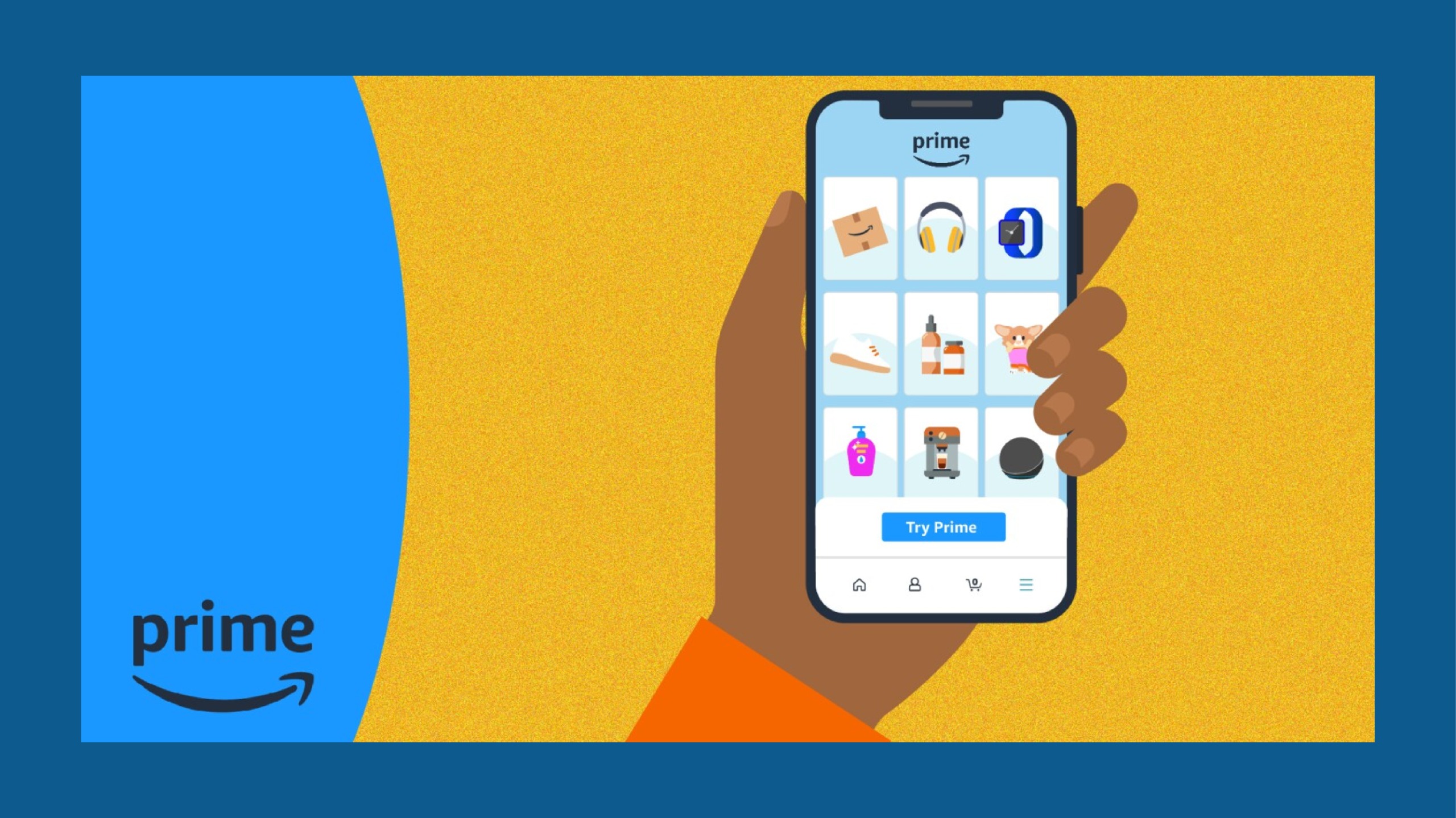
Amazon’s Prime program is one of the best examples of the Repeat Rate Flywheel in action. By offering a subscription-based loyalty program, Amazon not only increases repeat purchases by offering exclusive benefits but also creates a community of loyal members. As a result, Amazon has been able to lower its CAC while boosting its repeat rate significantly.
Starbucks Rewards Program
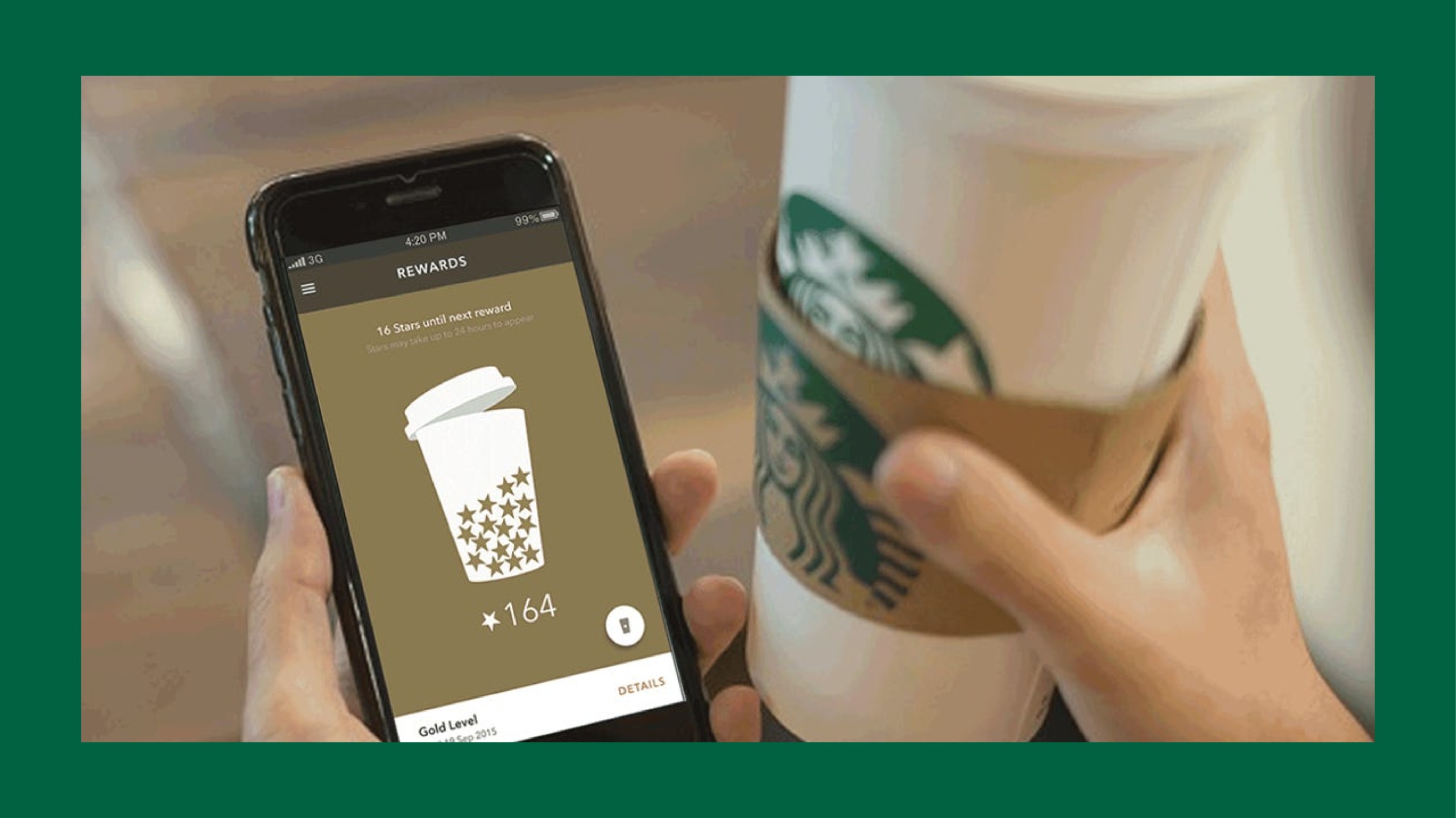
Starbucks has successfully harnessed the Repeat Rate Flywheel through its Starbucks Rewards program. The loyalty program encourages customers to earn points with every purchase, which can be redeemed for free drinks or exclusive perks. According to reports, this has led to a staggering 16 million active members (as of March 2019), with 11% growth of their user base in Q2 2018. Starbucks attributes 40% of its total sales to the Rewards Program and has seen same store sales rise by 7%.
Strategies for Retail and F&B Brands to Create a Repeat Rate Flywheel Using CRM
For retail and F&B brands, CRM tools play a crucial role in building and accelerating the Repeat Rate Flywheel. These brands thrive on customer loyalty, and CRM systems enable them to gather data, personalize communication, and automate retention strategies that bring customers back.
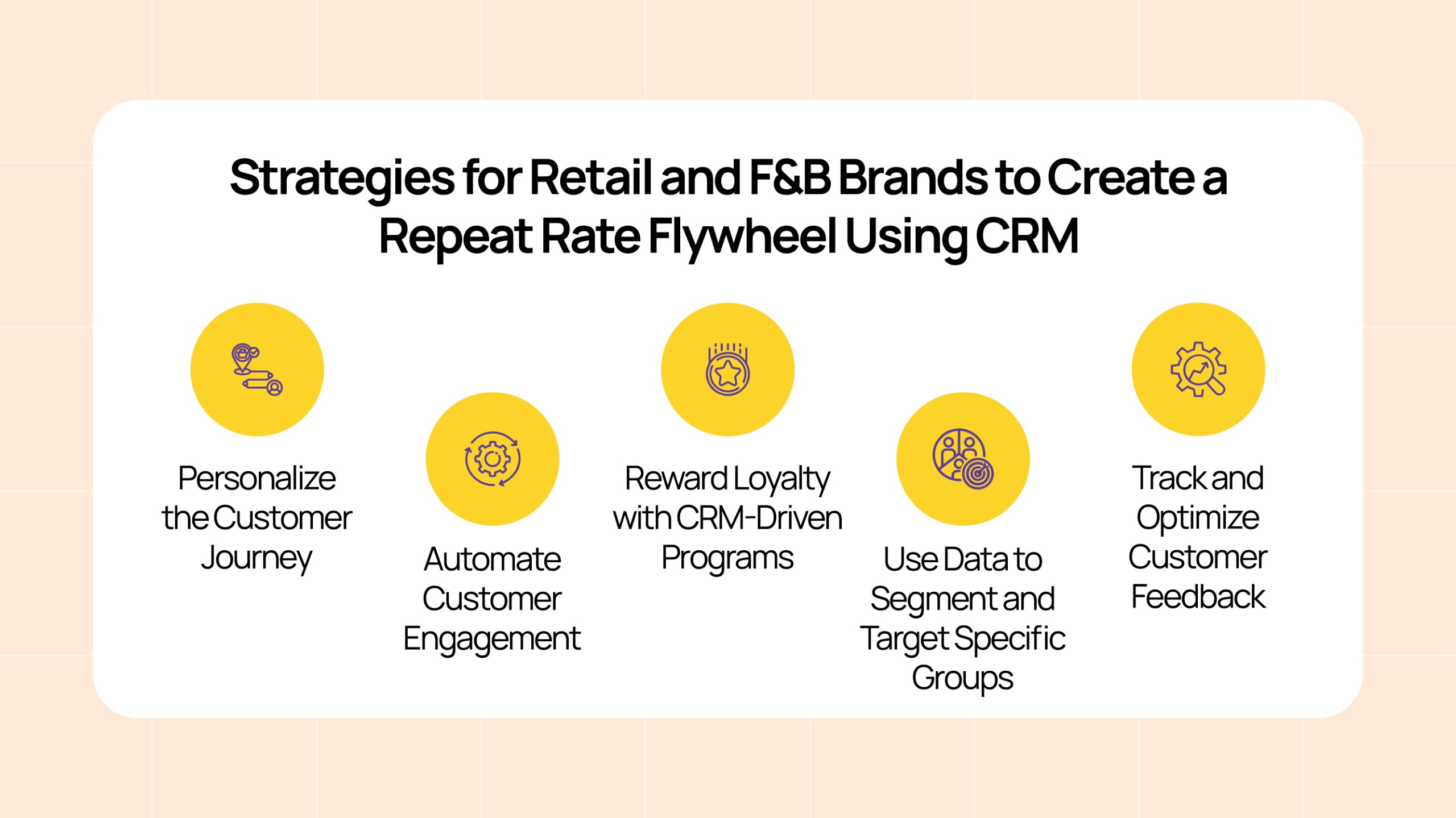
Here’s how retail and F&B brands can use CRM to create a Repeat Rate Flywheel:
Personalize the Customer Journey
In retail and F&B, personalization is key to fostering a loyal customer base. CRM platforms allow you to track customer preferences, buying behaviors, and past interactions, enabling you to send tailored messages at the right time. According to McKinsey & Company, investing in personalization can drive revenue growth of 10-30%.
- Retail Example: If a customer frequently buys shoes, a CRM can send them personalized alerts for new arrivals or seasonal promotions specific to their preferences.
- F&B Example: For a coffee shop, a CRM can track purchase history and send a personalized coupon for their favorite drink or a reminder to redeem points on their birthday.
By offering a personalized experience, you ensure that customers feel valued and are more likely to return.
Automate Customer Engagement
Automation is one of the most powerful tools in a CRM system. Setting up automated engagement campaigns based on customer behavior can keep your brand top-of-mind without manual intervention.
- Retail Example: Send automated emails or SMS campaigns to customers who have abandoned their carts or haven’t made a purchase in a while. For instance, if a customer left a jacket in their cart, an automated email could offer a limited-time discount or remind them about the jacket’s availability.
- F&B Example: Set up automated win-back campaigns for customers who haven’t visited in a month. Offer them a special promotion (like a “buy one, get one free” offer) or a loyalty bonus to bring them back.
Automation makes it easy to trigger repeat purchases, ensuring that no customer is overlooked, and you don’t miss an opportunity for engagement.
Reward Loyalty with CRM-Driven Programs
Both retail and F&B brands benefit from implementing loyalty programs that integrate directly with CRM. These programs encourage repeat visits and purchases by rewarding customers for their ongoing loyalty.
- Retail Example: Implement a points-based loyalty program where customers earn points for every purchase. The CRM tracks these points and automatically notifies customers when they have enough to redeem rewards, such as discounts or free items.
- F&B Example: A restaurant could set up a loyalty program where customers earn points for every meal or visit. The CRM can automatically send reminders for rewards, such as a free dessert after five visits or a special offer on the customer’s birthday.
By rewarding customers for returning, you not only encourage more visits but also create a sense of exclusivity that drives engagement.
Use Data to Segment and Target Specific Groups
CRM systems enable retail and F&B brands to segment their customer base based on specific behaviors, preferences, or demographics. By creating these customer segments, you can target them with tailored messages that increase the likelihood of repeat business.
- Retail Example: Use CRM data to segment customers based on how often they shop, what categories they buy from, and their average order value. For example, if a customer regularly purchases high-end products, send them exclusive early access to new luxury collections.
- F&B Example: Segment customers based on their frequency of visits, favorite dishes, or order history. For instance, a loyal customer who frequently orders breakfast might be offered a special breakfast bundle to encourage them to return.
With segmentation, you can deliver the right message to the right person at the right time, which significantly increases the chances of turning a one-time buyer into a repeat customer.
Track and Optimize Customer Feedback
CRM systems often come with customer feedback tracking features, such as surveys, ratings, and reviews. This feedback can provide valuable insights into your customers’ experiences and preferences, which you can use to further personalize your retention strategies.
- Retail Example: After a customer makes a purchase, send an automated post-purchase survey via email or SMS to ask about their experience. If a customer leaves positive feedback, the CRM can automatically trigger a follow-up offer for their next purchase.
- F&B Example: After dining at a restaurant or ordering takeout, send a satisfaction survey via your CRM to gauge their experience. If the customer gives a positive rating, incentivize them to return by offering a discount on their next meal.
By continuously improving based on customer feedback, you increase customer satisfaction, which leads to higher repeat rates and stronger loyalty. Using a CRM like eWards, you can segment customers based on behavior – first-time buyers, repeat buyers, high spenders and set up automated workflows that nurture each group differently.
Conclusion: Leveraging CRM to Supercharge the Repeat Rate Flywheel
For retail and F&B brands, creating a Repeat Rate Flywheel with CRM is an effective way to lower CAC and drive sustainable growth. By personalizing the customer experience, automating engagement, rewarding loyalty, targeting customer segments, and using feedback to improve, CRM can turn one-time buyers into lifelong loyal customers.
FAQs
The Repeat Rate Flywheel is a business model that focuses on turning first-time buyers into repeat customers. As more customers return to make additional purchases, the flywheel accelerates, lowering customer acquisition costs (CAC) and increasing customer lifetime value (CLV) over time.
Retention reduces CAC by encouraging existing customers to return for additional purchases, eliminating the need for costly new customer acquisition efforts. As customers make repeat purchases, the initial CAC is spread across multiple transactions, lowering the effective cost per customer.
CRM systems help retail and F&B brands create a Repeat Rate Flywheel by enabling personalized communication, automating customer engagement, rewarding loyalty, segmenting customer groups, and tracking feedback. These strategies drive repeat purchases, lower CAC, and enhance customer lifetime value.