
The gap between a transaction and a notification is where customer trust goes to die. In the world of retail in India, a customer standing at a checkout counter expects their loyalty status to reflect their latest purchase before they even leave the store.
Yet, many legacy systems suffer from “data lag,” a frustrating delay where points earned at the Point of Sale (POS) take hours, or sometimes days, to appear on the brand’s mobile app. This latency creates a friction point that undermines the loyalty experience. For a CRM head, solving the latency issue is the first step toward building a truly responsive, “living” loyalty ecosystem.
The Psychology of Instant Gratification in Retail
At its core, loyalty marketing is a value exchange. The customer provides data and patronage; the brand provides recognition and rewards. When this exchange is delayed, the psychological loop of “action and reward” is broken.
In a market like India, where mobile penetration is near-universal and UPI has conditioned consumers to expect instant confirmation for every rupee spent, a lagging loyalty balance feels like a failure of the brand’s tech stack.
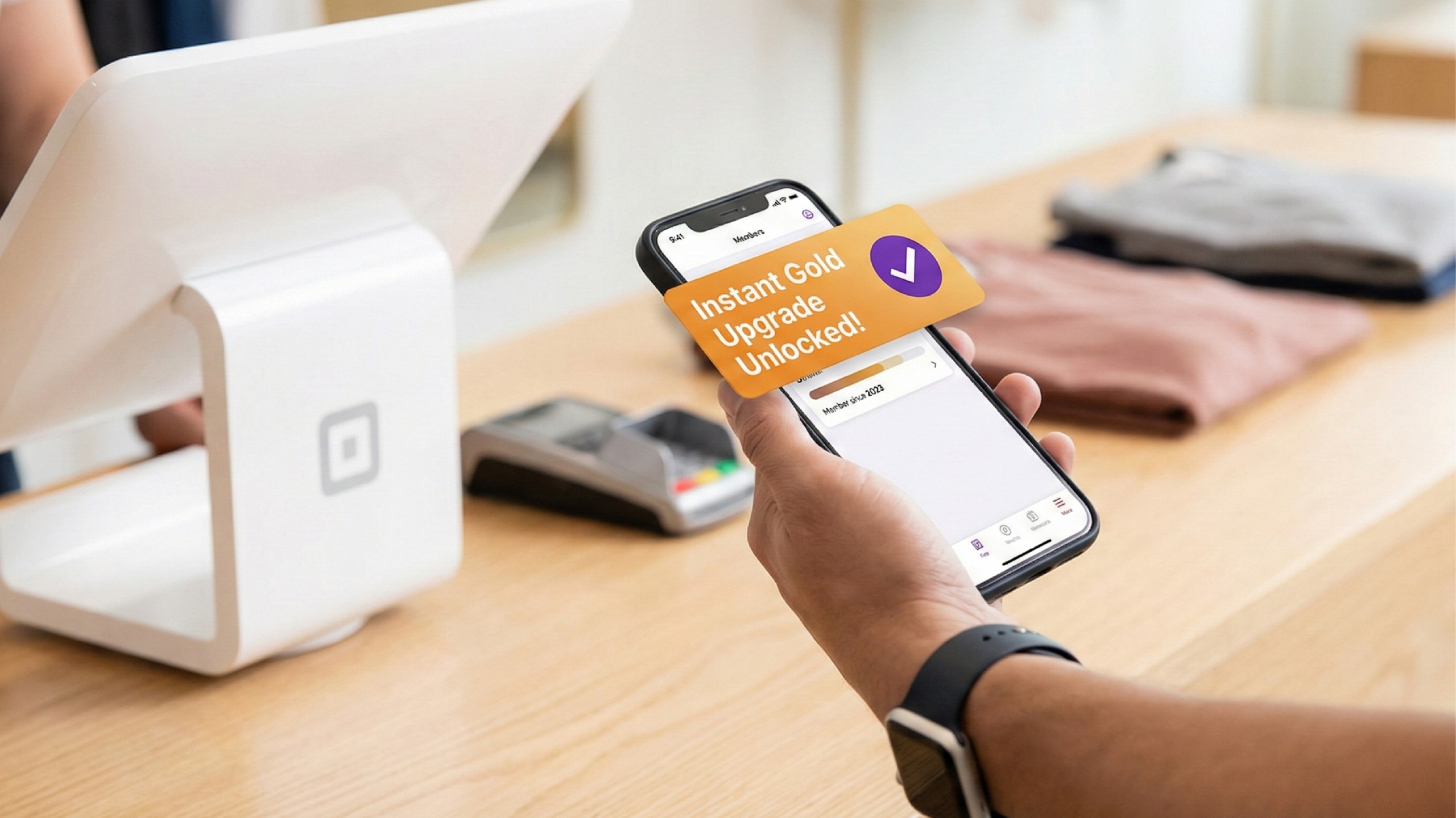
Real-time loyalty rewards are no longer a “nice-to-have” feature; they are the baseline for omnichannel engagement. When a customer receives an instant WhatsApp or app push notification saying, “You just earned 500 points! You are now only 100 points away from a Gold upgrade,” while they are still walking toward the mall exit, the brand captures a moment of peak emotional engagement. This instant recognition increases customer loyalty, as customers feel appreciated and valued in real-time. If that message arrives the next morning, the moment is lost.
Why This Matters for Retail Enterprises
For large-scale retailers operating hundreds of outlets across diverse geographies, the challenge is often a fragmented retail tech stack. Many enterprises use disparate POS systems across different regions or franchise models, leading to data silos.
- The Rise of “Showrooming” and “Webrooming”: Customers frequently check their app balances while inside a physical store. If the app shows an outdated balance, it hinders their ability to redeem points on the spot, directly impacting the Average Bill Value (ABV).
- Operational Efficiency: Real-time POS API integration reduces the burden on store staff. When rewards are synced instantly, cashiers don’t have to deal with disgruntled customers claiming their points haven’t been added, leading to smoother checkout experiences.
- Fraud Prevention: Latency creates windows of opportunity for “double-dipping” or fraudulent redemptions. Omnichannel reward sync ensures that a point spent
online is immediately deducted from the offline balance, maintaining a single source of truth.
The Technical Architecture of “Instant”
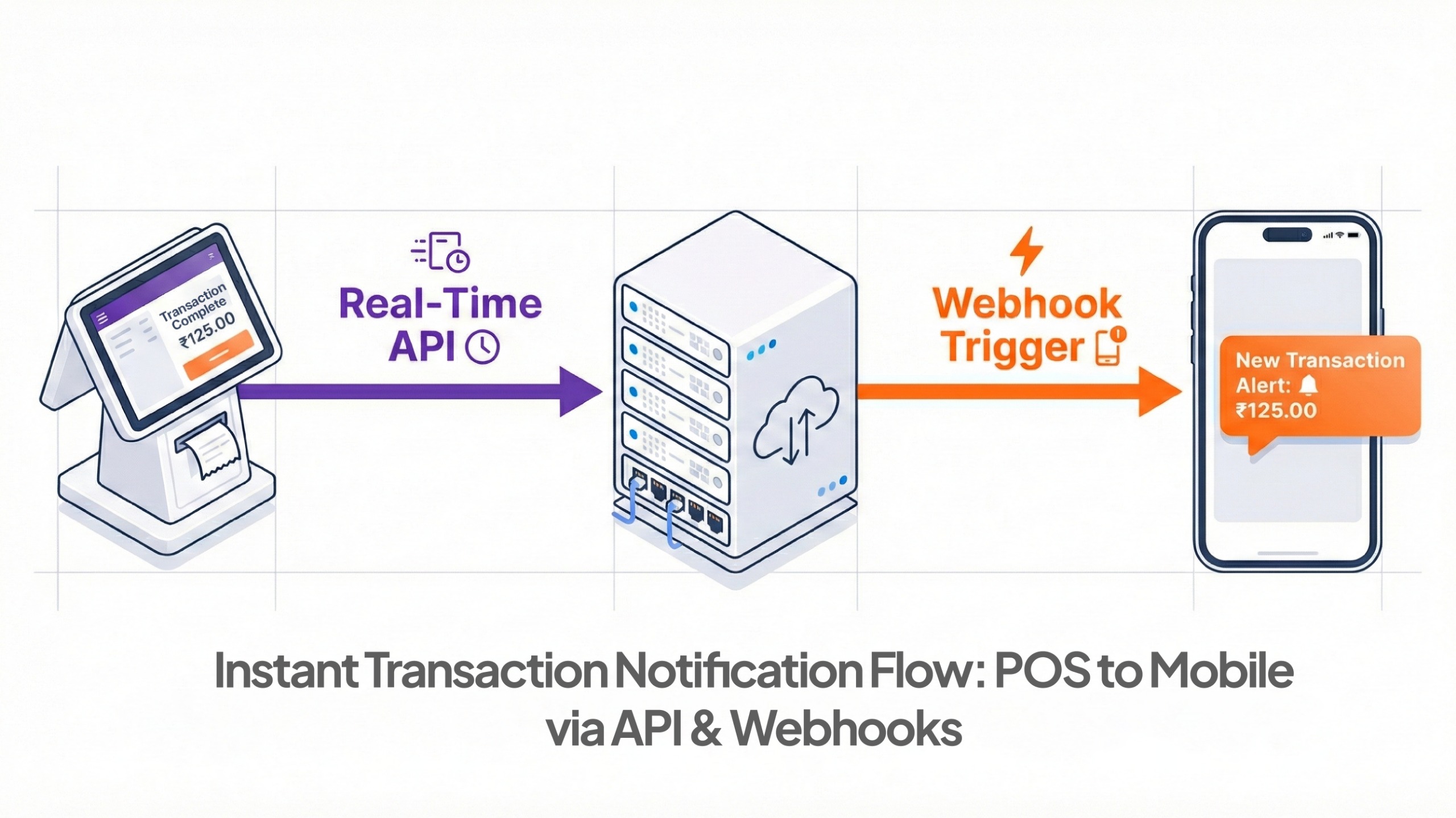
To solve the latency issue, enterprise leaders must move away from “batch processing,” where data is uploaded in bulk at the end of the day, to a real-time event-driven architecture.
- POS API Integration: This is the backbone of real-time rewards. The POS should not just record a sale; it should “talk” to the CRM via a robust API the moment the invoice is generated.
- Webhooks for Instant Triggers: Instead of the app constantly polling the server for updates, the CRM should use webhooks to push updates to the app and communication channels (SMS/WhatsApp) the millisecond a transaction is verified.
- Edge Computing in Retail: For large Indian enterprises with stores in Tier 2 and Tier 3 cities, where internet stability can be an issue, local caching mechanisms ensure that even if the sync is delayed by a few seconds due to connectivity, the customer is acknowledged.
Common Risks of Ignoring Latency
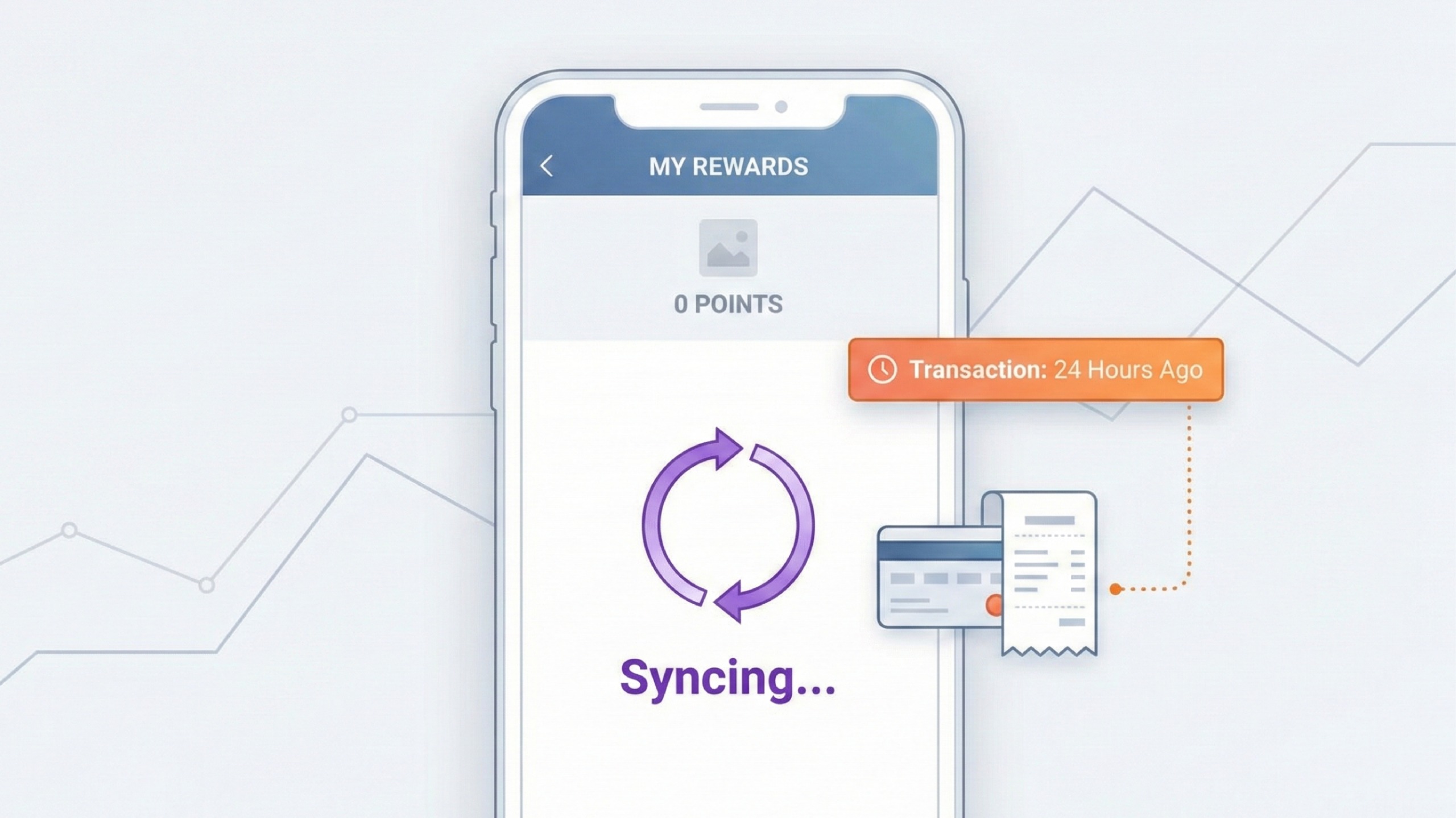
- Customer Churn: A loyalty program that feels “broken” or slow will be ignored. Customers will stop identifying themselves at the POS if they don’t see the immediate benefit.
- Inaccurate Segmentation: If your CRM data is 24 hours behind, your automated triggers (like “Happy Hour” offers or “Post-purchase surveys”) might reach the customer at inappropriate times.
- Redemption Friction: The most critical moment in a loyalty lifecycle is redemption. If loyalty program latency prevents a customer from using their hard-earned points for a current purchase, the perceived value of the program plummets.
Actionable Takeaway for CRM Leaders
The transition to real-time loyalty rewards is an investment in the “Recency” component of your RFM (Recency, Frequency, Monetary) model. Audit your current sync time: if the gap between “Bill Print” and “App Update” is more than 60 seconds, your tech stack is leaking customer lifetime value. Prioritize a seamless omnichannel reward sync to ensure that your loyalty program moves at the speed of your customer.