
Automation alone does not make customers happier; it can push them away when it replaces the personal touch they expect. The automation customer satisfaction myth tempts retailers to push every interaction to bots, but shoppers in India still crave real conversation, especially during festive rushes and tier‑2 store visits. Imagine a shopper in Pune walking into a boutique during the Navratri sales, expecting a quick answer about size availability. If a cold, scripted bot replies without acknowledging the excitement of the festival, the shopper feels invisible, and the moment of potential delight evaporates.
Understanding the Automation Customer Satisfaction Myth
Automation speeds up a process but doesn’t guarantee happiness. When a checkout line disappears but the cashier never greets the customer, the feeling of being valued evaporates. The real test is whether the shopper leaves feeling heard, not just served faster. Picture this: a customer in a Hyderabad mall finishes scanning items in seconds thanks to a self‑service kiosk, yet the kiosk offers no “thank you” or “how was your day?”, the experience feels transactional rather than relational.
Retailers chase dashboards that show orders processed in minutes. That metric looks impressive, but it hides a quieter signal: the tone of a bot’s reply about a festive dress size. A generic line makes shoppers feel dismissed, especially during Diwali when personal touch matters. For instance, a bot that simply says “Size unavailable” without offering alternatives or empathy can turn a celebratory purchase into a disappointment.
Many stores introduced automation to reduce staff workload, letting a chatbot handle WhatsApp floods during sales. The result was a surge in unanswered follow‑ups because the bot couldn’t understand regional slang or nuanced gift requests. A shopper typing “Can you get me a ‘pyaar ka’ gift for my sister’s shaadi?” might receive a baffling “I’m sorry, I didn’t understand” reply, prompting the customer to abandon the conversation altogether.
Signs the automation customer satisfaction myth is hurting you
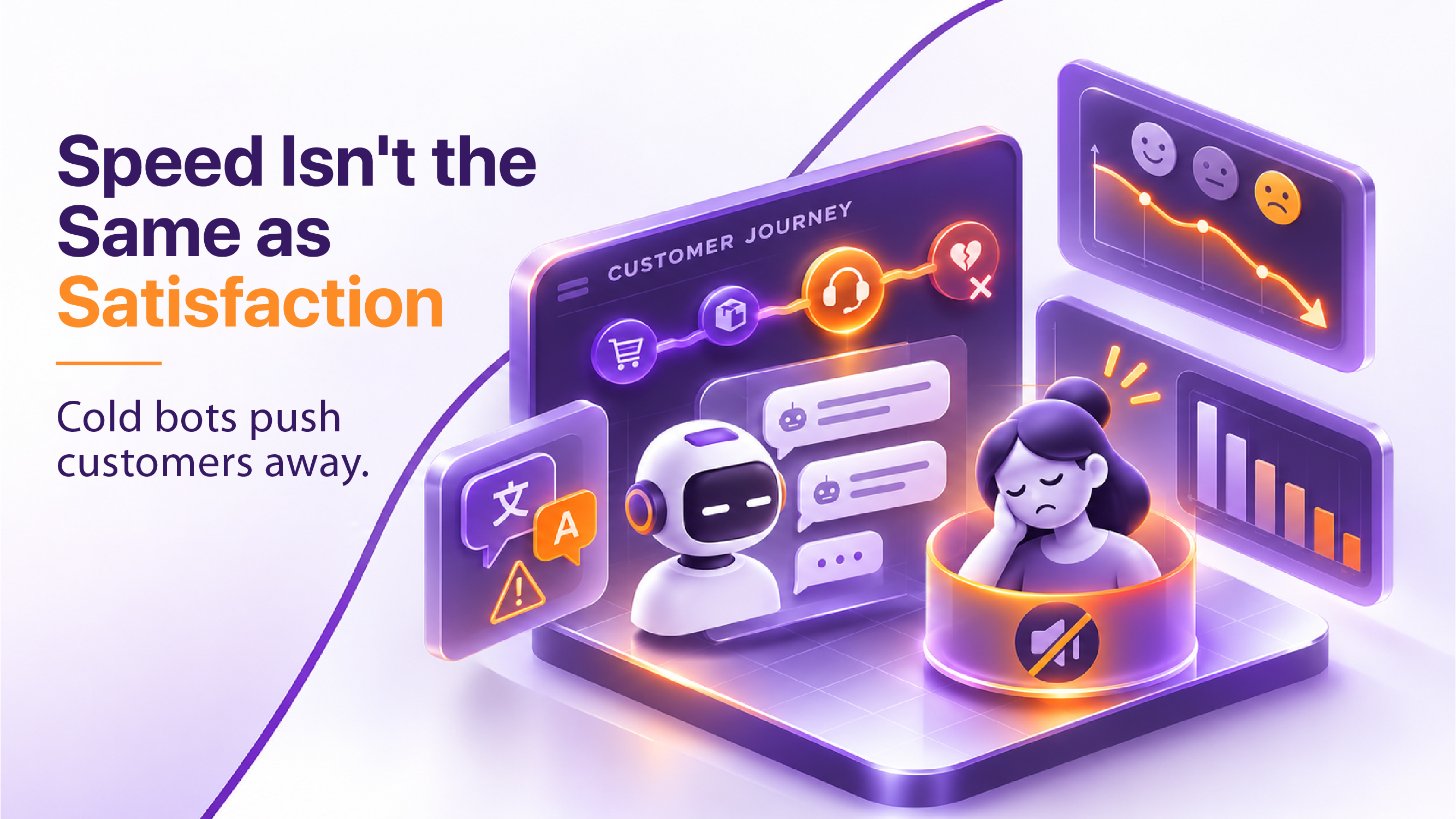
- Cold replies: Short, formulaic messages ignore context, leaving the shopper feeling like a data point rather than a person.
- Lost nuance: Failure to pick up regional expressions or festive urgency, such as “quickly, before the aarti starts,” makes the bot seem out of touch.
- Reduced trust: Shoppers doubt the brand’s problem‑solving ability when a bot repeatedly fails to resolve a simple query.
- Drop in repeat visits: Frustrated by bots, customers turn to competitors who still offer a human ear during peak moments.
- Higher complaint volume: Escalations rise as automation filters out human touch, and each complaint carries the weight of a broken relationship.
These signals reveal narrow metrics. Speed and volume look good, but they miss the emotional pulse of a shopper who receives a personalized birthday greeting or a thoughtful wedding‑gift suggestion. A bot that simply confirms an order without acknowledging that the purchase is for a “first‑birthday celebration” misses an opportunity to deepen loyalty.
Break the myth by shifting focus from transaction speed to shopper feeling. Ask if the automated touchpoint acknowledges mood, remembers preferences, and offers a genuine solution. A bot that says, “I see you bought a silk saree last year; would you like to see the new collection for the upcoming festival?” bridges speed with sentiment, turning a routine interaction into a moment of relevance.
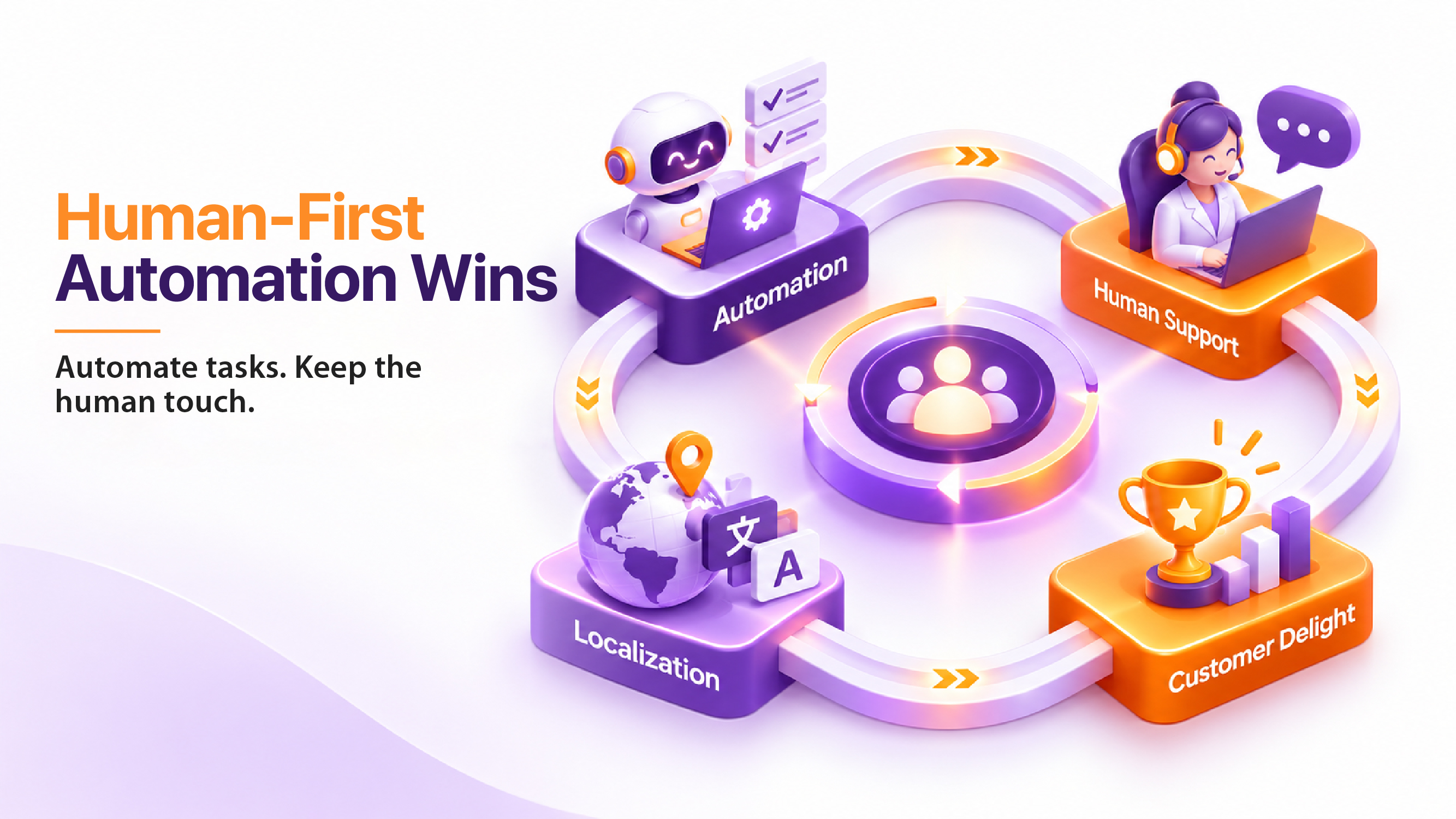
Automation pitfalls arise when technology replaces people instead of amplifying human connection. A well‑designed bot handles routine queries but must hand off to a live associate when the conversation gets personal, ensuring convenience without losing warmth. This is where the Human‑First Automation Compass comes into play, a framework that maps every automated interaction on two axes: Complexity (routine vs. nuanced) and Emotional intensity (neutral vs. high‑stakes). Points that fall into the “high‑stakes, nuanced” quadrant automatically trigger a human handover, while low‑complexity, low‑emotion tasks stay with the bot.
Reevaluate dashboards. Add a simple check: after every automated interaction, prompt “Did this help?” and route negative responses to a human. This loop reveals the emotional gap raw speed numbers hide. By tagging each interaction with a sentiment score derived from the “Did this help?” response, you can visualize where the compass advises a handoff.
Finally, audit your automation flows against the “automation customer satisfaction myth” and pinpoint steps where a human could add value. Pilot a live associate for any query mentioning a festival, family event, or special occasion. For example, any chat that includes words like “Diwali,” “shaadi,” or “birthday” should be flagged for immediate escalation to a human specialist who can provide culturally aware recommendations.
Action: Review the last week of chat logs, flag interactions without a positive acknowledgment, and assign a human to follow up. Use the Human‑First Automation Compass to categorize each flagged case, ensuring that the most emotionally charged moments always receive a personal touch.
Common Pitfalls of Retail Automation in India
Automation that ignores how Indian shoppers talk quickly becomes a barrier. A bot using a single language or rigid script leaves customers unheard, especially in tier‑2 towns where local dialects matter, eroding trust. Picture a shopper in Bhopal trying to order a “masala chai” via a voice‑assistant that only understands formal Hindi; the assistant repeatedly asks for clarification, causing the shopper to abandon the order.
Imagine a busy Delhi café during monsoon. A voice‑assistant understands only formal Hindi; the customer repeats his chai order, the assistant glitches, and the barista steps in, lengthening the line. The customer leaves frustrated and unlikely to return. The same scenario could happen in a small town where the assistant fails to recognize a regional term like “paani puri,” turning a simple request into a stumbling block.
Consider a supermarket’s WhatsApp order bot for festive gifting. It asks for the recipient’s name in English, but shoppers prefer regional script. The system rejects the input, forcing a manual call and killing the Diwali excitement. The shopper, already juggling multiple holiday tasks, perceives the brand as inflexible and moves on to a competitor with a more accommodating bot.
Why language matters more than you think?
Indian shoppers blend English with their mother tongue, using idioms that convey urgency or affection. Formal replies miss this nuance, making the interaction feel cold and the brand distant. For example, a shopper typing “Need it ASAP, before the puja starts” expects the bot to recognize “ASAP” as a cultural urgency tied to a religious ceremony, not just a generic speed request.
Automation often applies a one‑size‑fits‑all flow, ignoring regional festivals and buying cycles. A Bengaluru employee expects concise messages during lunch, while a Jaipur bazaar shopper values a chatty tone in the evening. A single script fits neither. The Bengaluru user might appreciate a quick “Your order is on the way,” whereas the Jaipur shopper enjoys a friendly “Namaste! Your saree will be ready just in time for the evening bazaar.”
Visual elements can clash too. Color palettes, emojis, and tone that work in metros may appear garish in conservative regions, signaling a lack of cultural respect. An emoji‑heavy bot message that feels playful in Mumbai could be perceived as frivolous in a more traditional setting like Varanasi.
These oversights reflect a deeper gap in cultural empathy. Automation that fails to embed regional customs, like suggesting “Mithai” during sweets season, misses chances to build loyalty. When a bot proactively mentions “Would you like to add traditional laddus to your Diwali order?” it demonstrates awareness and invites a deeper connection.
Fix this by embedding regional customization into workflows. Use a language‑detection engine to switch to the shopper’s preferred script and include locally relevant prompts that adjust tone based on location and history. Test the bot with real users from different states, not just a central team, to surface hidden friction points before a full rollout.
Implement the Human‑First Automation Compass within this localization effort: map each language‑specific flow against emotional intensity. If a shopper uses a regional idiom that signals high emotional stakes (e.g., “gift for my mother’s 60th birthday”), the compass directs the bot to hand over to a human who can personalize the suggestion.
Frequently Asked Questions
1. How does automation impact customer satisfaction in Indian retail?
In India, automation streamlines inventory checks and speeds up checkout, which can reduce wait times and lower frustration for shoppers. However, if the system glitches or fails to recognize local preferences, customers may feel alienated, so a seamless user experience is essential.
2. What are common pitfalls of retail automation in India?
Many Indian retailers over‑invest in tech without training staff, leading to a mismatch between automated processes and on‑ground realities. Another pitfall is ignoring regional language support, causing confusion for customers who rely on local dialects during interactions.
3. How can businesses balance automation with human touch in F&B?
Automated kiosks can handle order placement, while trained staff focus on food preparation and personalized service, ensuring customers still feel attended to. Blending digital ordering with friendly staff interaction helps maintain warmth and reduces the feeling of impersonality.
4. Is automation better than human interaction for customer experience?
Automation excels at speed and consistency, but human interaction brings empathy, cultural nuance, and problem‑solving that machines struggle with. A hybrid approach that leverages both strengths typically yields the most satisfying experience.
5. What ROI can be expected from smart automation versus traditional methods?
Smart automation often reduces manual errors and speeds up processes, freeing staff to focus on higher‑value tasks that enhance customer delight. While the exact financial return varies, businesses that integrate thoughtful automation tend to see improved customer loyalty and repeat visits.
- Map primary languages and dialects for top store clusters, noting variations in script, slang, and festive terminology.
- Configure the platform to detect and respond in the shopper’s chosen language, automatically switching between Hindi, English, and regional scripts as needed.
- Build region‑specific prompts reflecting local festivals, slang, and habits, such as “Happy Onam! Would you like to explore our new Kerala‑inspired collection?”
- Run pilots in a few stores, gather feedback, and refine scripts before full rollout. During the pilot, apply the Human‑First Automation Compass to identify moments where the bot should defer to a live associate.
- Assign a local champion to monitor bot interactions and update cultural cues regularly, ensuring the compass stays calibrated to evolving regional trends and seasonal spikes.
Automation can streamline processes, but it does not automatically translate into customer delight. The true measure of success is whether shoppers feel seen and understood, not just served more quickly. Balancing efficient technology with genuine human connection remains the key to lasting customer satisfaction.