
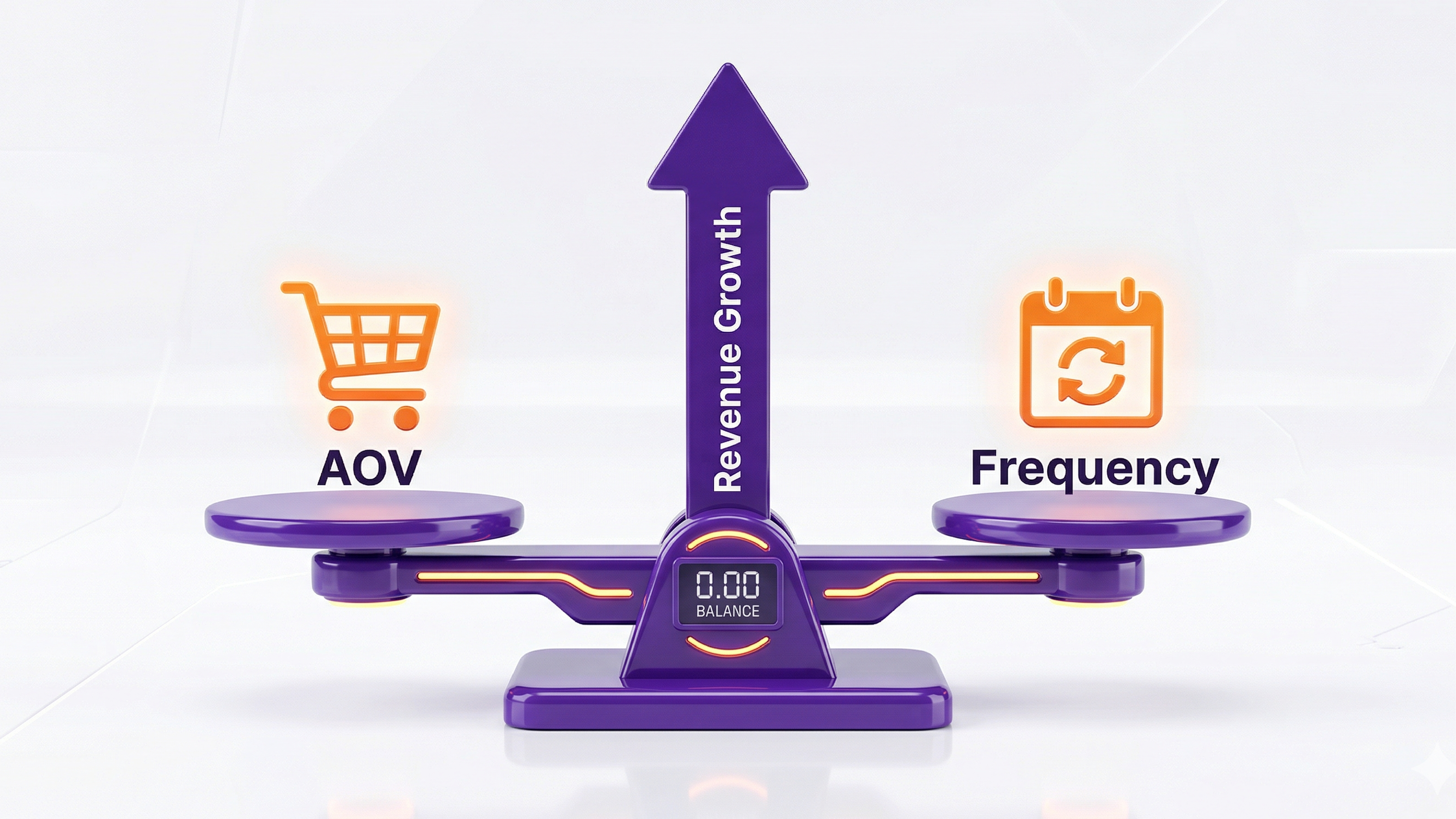
Customer onboarding is critical to the success of Indian retail businesses, with 70% of businesses citing high customer churn rates as a major concern. To address this, eWards has developed the AOV-Frequency Balance Framework, which balances average order value (AOV) and purchase frequency for optimal retention and revenue growth.
Understanding the Importance of Customer Onboarding in Indian Retail
Customer onboarding is crucial in the Indian retail market, where 70% of businesses report high churn rates as a major challenge. A robust onboarding process can drastically improve customer retention and lifetime value.
The AOV-Frequency Balance Framework
The AOV-Frequency Balance Framework is a data-driven approach that balances average order value (AOV) and purchase frequency to optimize customer onboarding. This framework ensures that businesses do not solely focus on increasing AOV, which can lead to customer dissatisfaction, but instead strike a balance that maximizes both AOV and purchase frequency.
Key Strategies for Effective Customer Onboarding
To effectively onboard customers, Indian retailers should adopt a hybrid approach that leverages both AOV and purchase frequency. A combination of these strategies can significantly enhance customer retention and revenue growth.
AOV Strategy
AOV strategy involves increasing the average value of each transaction. For example, a fashion retailer might offer a 10% discount on orders over ₹2,000, encouraging customers to spend more per transaction. However, this approach can backfire if not balanced with purchase frequency.
Purchase Frequency Strategy
Purchase frequency strategy focuses on encouraging customers to make more frequent purchases. For instance, a supermarket chain might offer weekly promotions to incentivize customers to shop more often. Combining this with AOV strategies ensures a balanced approach to onboarding.
Best Practices for Customer Onboarding in B2B Retail
B2B retail businesses in India can benefit from personalized onboarding experiences, with 80% of customers citing personalized interactions as a major factor in their purchasing decisions.
Personalization
Personalized onboarding experiences can significantly improve customer satisfaction and loyalty. For example, a B2B beauty brand might offer customized product bundles based on the customer’s purchase history and preferences, enhancing their overall experience. Personalization also involves providing dedicated customer support and tracking engagement metrics to ensure a seamless onboarding process. This holistic approach ensures that each customer feels valued and understood, leading to higher satisfaction and retention rates. Additionally, businesses can use customer feedback and engagement data to refine and personalize the onboarding journey, ensuring that it resonates with each individual customer’s needs and preferences.
Measuring the Success of Customer Onboarding Initiatives
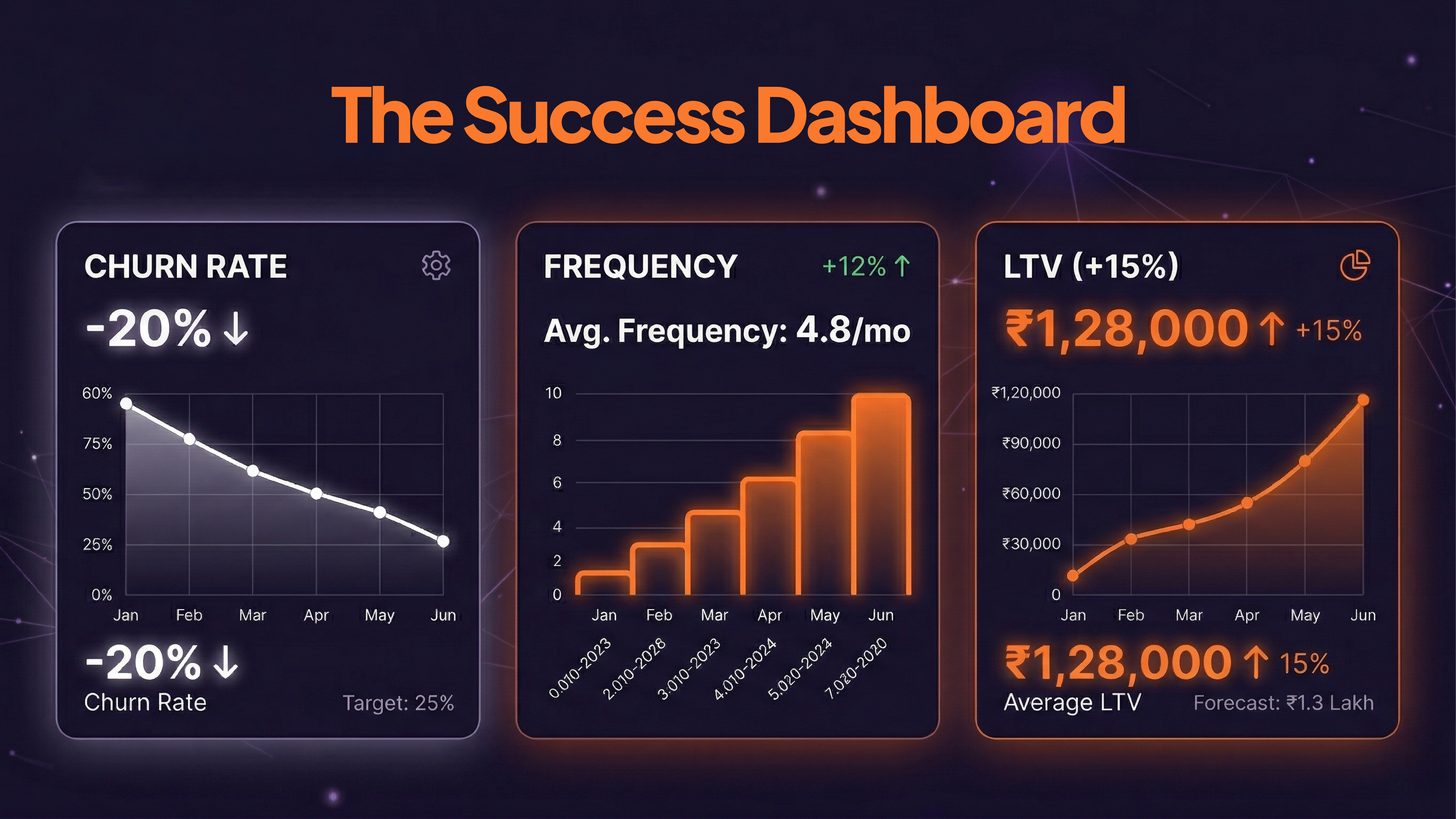
To measure the effectiveness of customer onboarding, Indian retail businesses should track metrics such as customer lifetime value (LTV), purchase frequency, and AOV. Regular review and adjustment of onboarding strategies based on these key performance indicators (KPIs) can optimize retention and revenue growth.
Customer Churn Rate
The customer churn rate is a critical metric for evaluating onboarding success. A high churn rate indicates that the onboarding process is failing to retain customers effectively. By tracking this metric, businesses can identify areas for improvement and adjust their strategies accordingly.
Purchase Frequency
Purchase frequency is another essential metric to monitor. A higher frequency of purchases indicates a more engaged customer base, leading to increased revenue and better retention rates.
Concrete Example
Consider a leading Indian fashion retailer, XYZ Fashion. After implementing the AOV-Frequency Balance Framework, they saw a significant improvement in customer retention. For instance, the retailer introduced a loyalty program that offered points for both high-value purchases and frequent visits. As a result, the retailer observed a 20% increase in the number of customers making purchases more than once a month, while the average order value (AOV) also increased by 15%. Over a year, this strategy led to a 15% increase in customer lifetime value (LTV) and a 20% reduction in customer churn rates.
Implementation Framework
To implement the AOV-Frequency Balance Framework effectively, follow these steps:
-
- Identify Current Metrics: Begin by analyzing your current customer data to understand the current AOV and purchase frequency. Use this information to identify areas for improvement.
- Develop AOV Strategy: Create a plan to increase the average order value through targeted promotions and discounts. For example, offer a 10% discount on orders over a certain threshold.
- Enhance Purchase Frequency: Develop a strategy to encourage more frequent purchases, such as weekly promotions or subscription services that incentivize regular shopping.
- Integrate Personalization: Implement personalized onboarding experiences that cater to individual customer preferences and purchase history. This can include customized product recommendations, tailored promotions, and dedicated customer support.
- Monitor and Adjust: Regularly review and adjust your onboarding strategies based on performance metrics such as customer churn rate, purchase frequency, and AOV. Continuous improvement is key to long-term success .
Key Takeaway: The AOV-Frequency Balance Framework helps Indian retailers optimize customer onboarding to reduce churn and boost revenue. With 70% of businesses struggling with high churn rates, adopting this framework can significantly improve customer retention and lifetime value.