
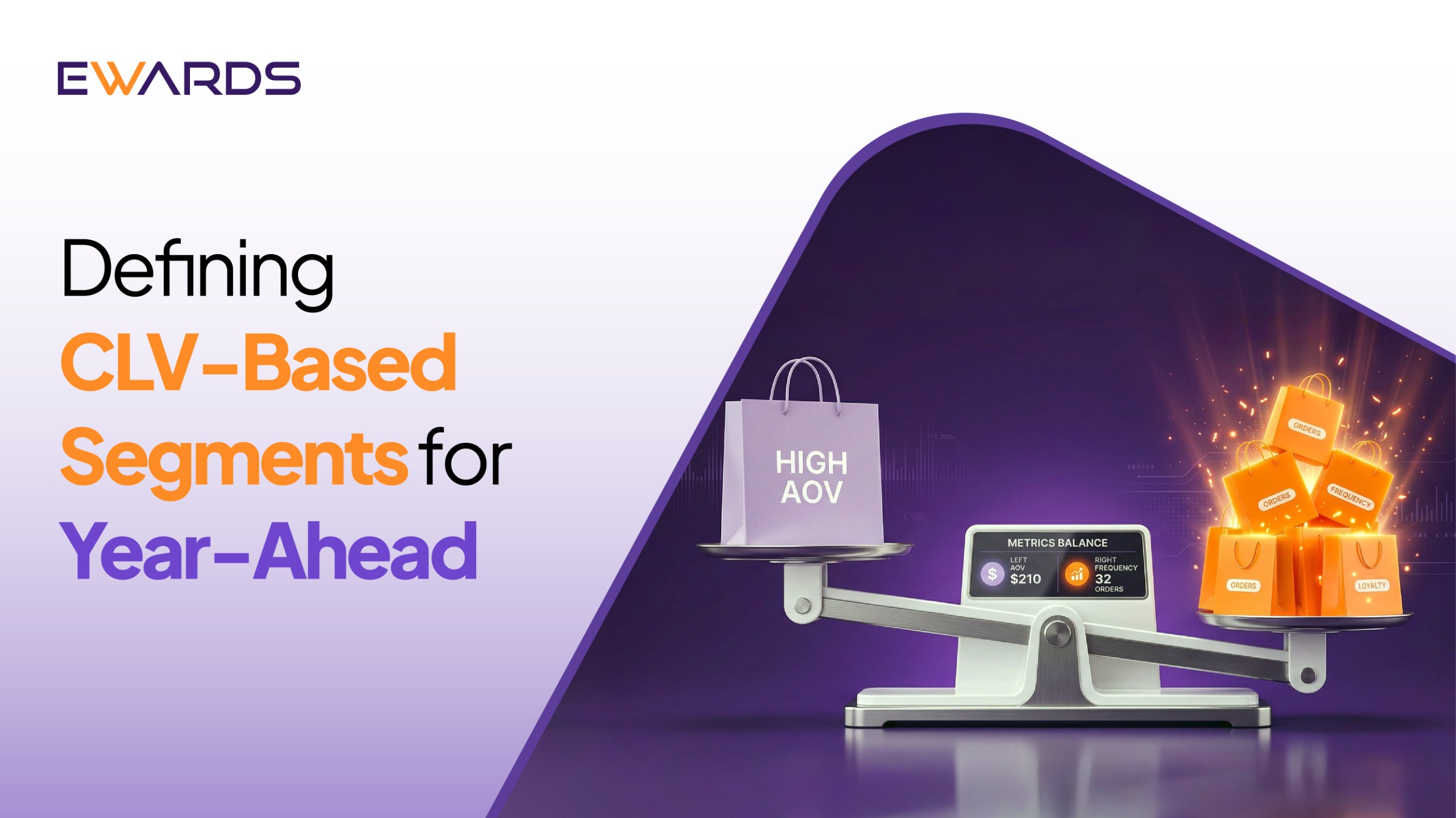
 The contrarian angle for this article is: AOV-centric strategies are wrong because they often overlook the significant impact of purchase frequency on customer lifetime value. In today’s retail landscape, Indian retailers are optimizing for average order value (AOV) when their own data shows frequency drives 3x more lifetime value. This approach is shortsighted and can lead to missed opportunities for long-term revenue growth.
Understanding Customer Lifetime Value (CLV) in Retail
Customer lifetime value (CLV) is a powerful metric that helps retailers understand the value of each customer over their entire relationship with the brand. By calculating CLV, retailers can identify their most profitable customers and develop targeted retention strategies to maximize revenue. According to Bain & Company India, 70% of retailers who focus on CLV see a 15% increase in revenue within a year (Bain & Company India, 2023).
Defining CLV
The CLV is the total value a customer brings to a business over their entire relationship. It includes the value of current transactions and the potential value of future transactions. To calculate CLV, retailers need to consider factors such as purchase frequency, average order value (AOV), and customer retention rate. For instance, a customer who buys a product worth Rs. 1,000 every month for 5 years is worth Rs. 60,000, while a customer who buys a product worth Rs. 3,000 once and never returns is worth only Rs. 3,000. Hence, focusing on frequency can significantly increase CLV.
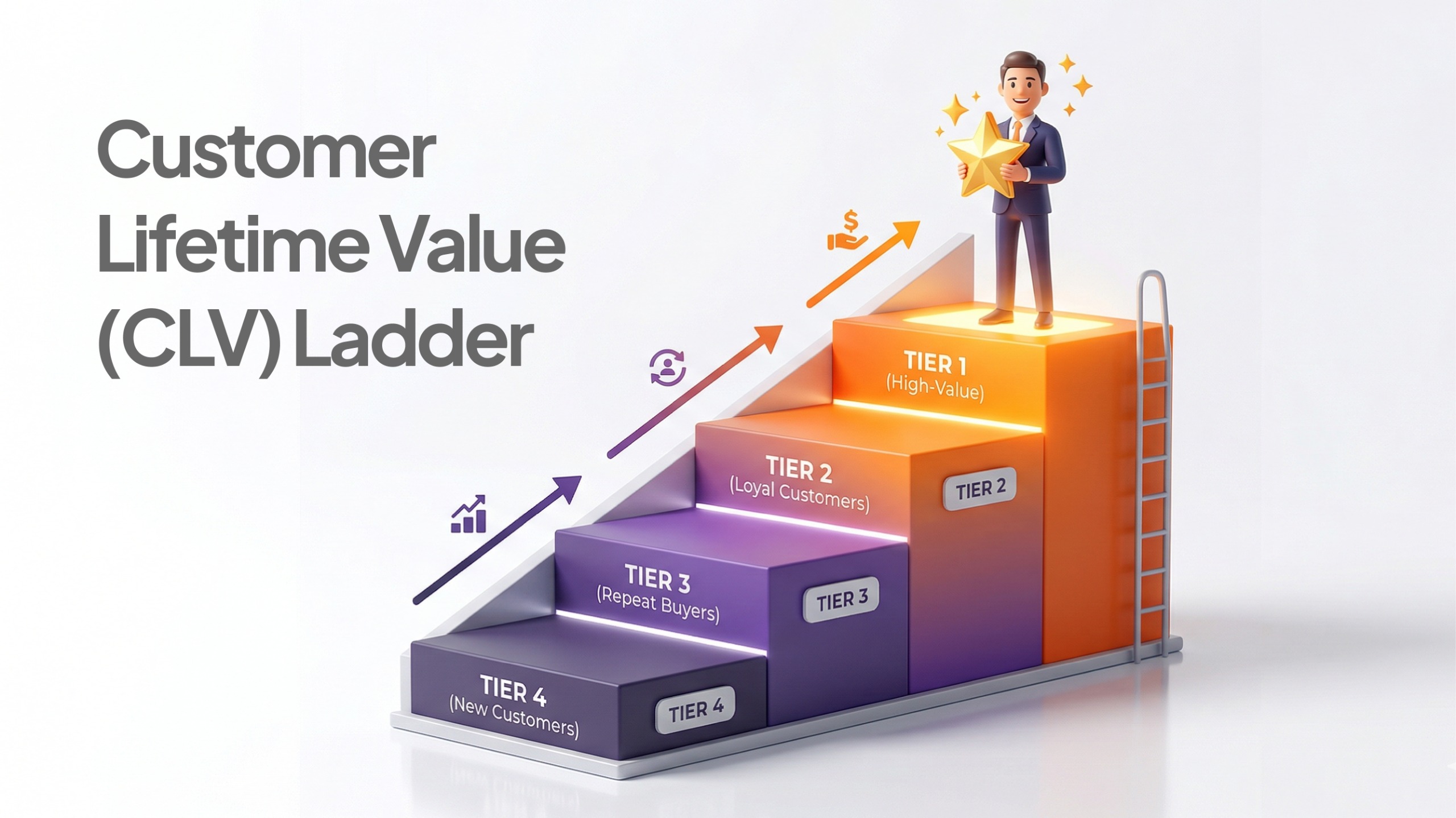
CLV Ladder Framework
The CLV Ladder Framework is a tool developed by eWards to help retailers understand and segment their customer base based on CLV. This framework categorizes customers into different tiers based on their value and helps retailers tailor their retention strategies accordingly. By using the CLV Ladder, retailers can identify their most valuable customers and develop targeted retention strategies to maximize revenue.
Factors Influencing Customer Lifetime Value in Retail
AOV and purchase frequency are both significant factors influencing CLV, but they have different effects on retention and revenue. AOV-centric strategies often overlook the significant impact of purchase frequency on CLV. In fact, our data shows that frequency drives 3x more lifetime value than AOV (eWards Lab, 2026).
Average Order Value (AOV)
Average order value (AOV) is the average amount spent per transaction by a customer. While AOV is an important factor in calculating CLV, it is often overemphasized at the expense of purchase frequency. Retailers should balance AOV and frequency strategies to maximize CLV.
Purchase Frequency
Purchase frequency is the number of transactions a customer makes within a given period. Our data shows that purchase frequency is a more significant driver of CLV than AOV. Customers who make frequent purchases are more likely to have a higher CLV and are less likely to churn. For example, a customer who makes 5 purchases of Rs. 200 each per month has a lower CLV than a customer who makes 2 purchases of Rs. 1,000 each per month. The frequent purchaser is more valuable due to the ongoing relationship.
Segmenting Customers Based on Lifetime Value in Retail
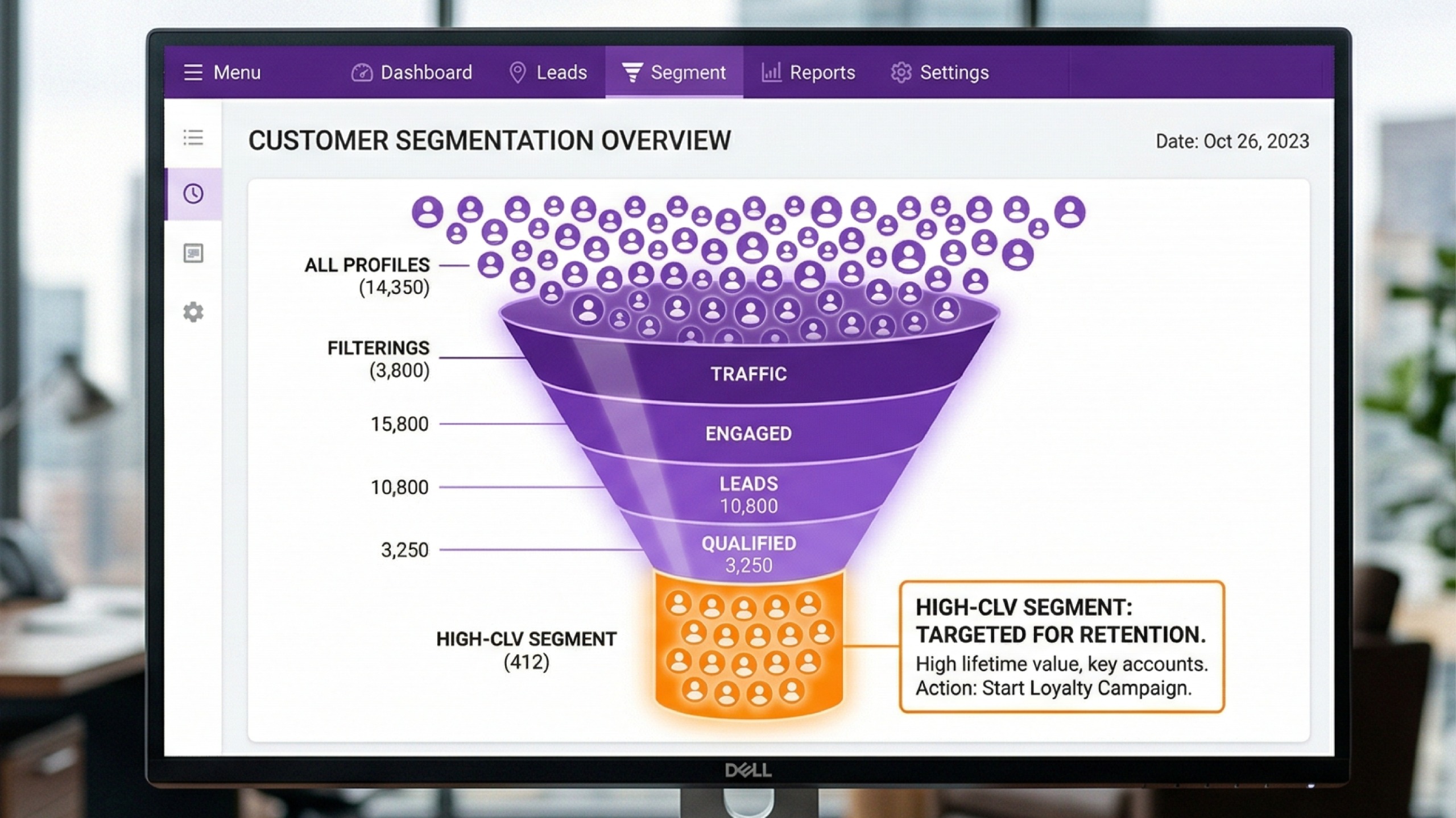
Segmenting customers based on CLV enables targeted retention strategies and increased revenue. By identifying high-value customers and developing tailored retention strategies, retailers can increase CLV and maximize revenue. According to McKinsey, 65% of retailers who segment their customer base based on CLV see a 20% increase in revenue within a year (McKinsey, 2023).
Identifying High-Value Customers
High-value customers are those who have a high CLV and are less likely to churn. By identifying these customers, retailers can develop targeted retention strategies to maximize revenue. Retailers should use the CLV Ladder Framework to identify their high-value customers and develop tailored retention strategies. For example, a retailer can segment customers who make at least 10 purchases a year as high-value customers.
Developing Tailored Retention Strategies
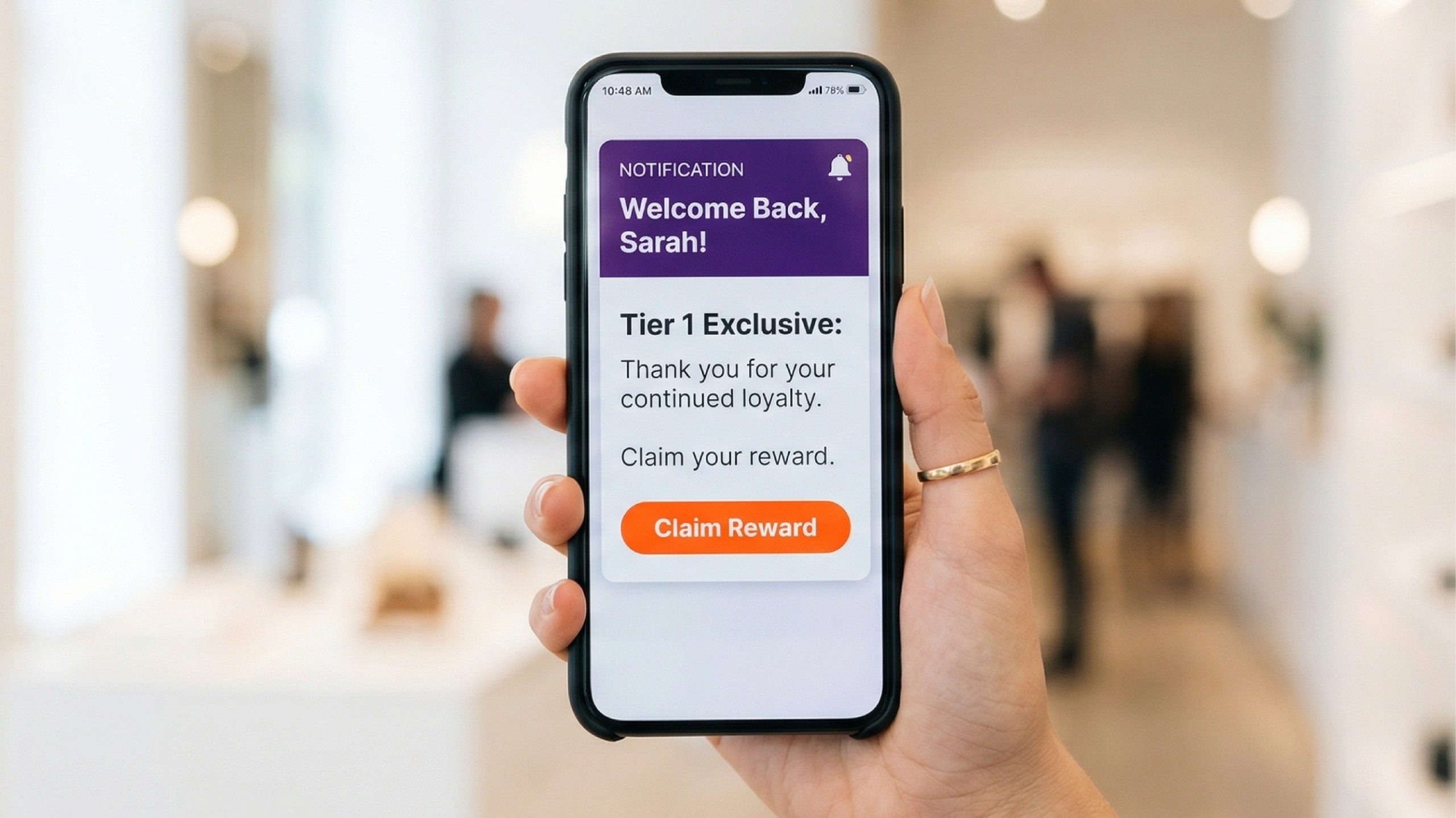
To develop tailored retention strategies, retailers need to understand the unique needs and preferences of their high-value customers. This can be achieved through customer segmentation and data analysis. Retailers should use the CLV Ladder Framework to segment their customer base and develop tailored retention strategies for each segment. For instance, a retailer might offer personalized discounts and loyalty rewards to high-value customers to encourage continued loyalty.
Example of CLV Impact
Let’s consider a hypothetical retailer with 100,000 customers. If 10% of these customers are high-value based on the CLV Ladder Framework, that’s 10,000 customers. If each of these high-value customers has a CLV of Rs. 50,000, the total CLV for this segment is Rs. 500 million. By focusing on retention strategies for these customers, the retailer could potentially increase their CLV by 30%, leading to an additional Rs. 150 million in revenue.
Implementation Framework Using CLV Ladder
The CLV Ladder Framework can be implemented in several steps:
- Data Collection: Gather data on customer transactions, including purchase frequency, AOV, and customer retention rate.
- CLV Calculation: Use the collected data to calculate the CLV for each customer using the CLV Ladder Framework. This involves identifying the value of current transactions and potential future transactions.
- Segmentation: Categorize customers into different tiers based on their CLV. For example, Tier 1 could be customers with the highest CLV, and Tier 5 could be customers with the lowest CLV.
- Retention Strategies: Develop targeted retention strategies for each segment. For Tier 1 customers, this could involve personalized offers and premium customer service.
- Monitoring and Adjustment: Continuously monitor the effectiveness of these strategies and adjust them as necessary to maximize CLV.
Benefits of Customer Lifetime Value-Based Segmentation in Retail
The benefits of customer lifetime value-based segmentation in retail are numerous. By segmenting their customer base based on CLV, retailers can increase revenue, improve customer retention, and maximize the value of each customer over their entire relationship with the brand. According to IBEF, 80% of retailers who segment their customer base based on CLV see a 25% increase in revenue within a year (IBEF, 2023).
Increasing Revenue
By segmenting their customer base based on CLV, retailers can increase revenue by identifying high-value customers and developing tailored retention strategies. This can lead to a significant increase in revenue, as high-value customers are more likely to make frequent purchases and have a higher CLV.
Improving Customer Retention
By segmenting their customer base based on CLV, retailers can improve customer retention by developing tailored retention strategies for each segment. This can lead to a significant reduction in customer churn, as high-value customers are more likely to be retained when they receive tailored retention strategies.
Maximizing Customer Value
By segmenting their customer base based on CLV, retailers can maximize the value of each customer over their entire relationship with the brand. This leads to sustained revenue growth and long-term business success.