
 Discover how to use RFM analysis to allocate your final Q4 budget effectively, optimizing for frequency instead of AOV to reduce CAC and increase revenue. This guide introduces the RFM Allocation Framework, providing actionable steps to maximize your Q4 investments in customer retention.
RFM Analysis Retail: Understanding the Critical Importance
RFM analysis is vital for retailers to identify high-value customers and allocate the final Q4 budget effectively. By focusing on frequency and recency, retailers can optimize their retention strategies and reduce customer acquisition costs. According to Bain & Company, 68% of Indian retailers report that RFM analysis significantly enhances their ability to predict churn (Bain & Company India, 2022).
RFM analysis helps retailers prioritize customer retention efforts by identifying high-value segments based on recency, frequency, and monetary value. This allows businesses to allocate their Q4 budget more effectively, focusing on retaining valuable customers and reducing churn.
Before You Start
Before diving into RFM analysis, ensure you have a robust CRM system in place, such as eWards, to track customer transactions and behaviors accurately. You should also have access to detailed POS data and a clean customer database to avoid skewed results. 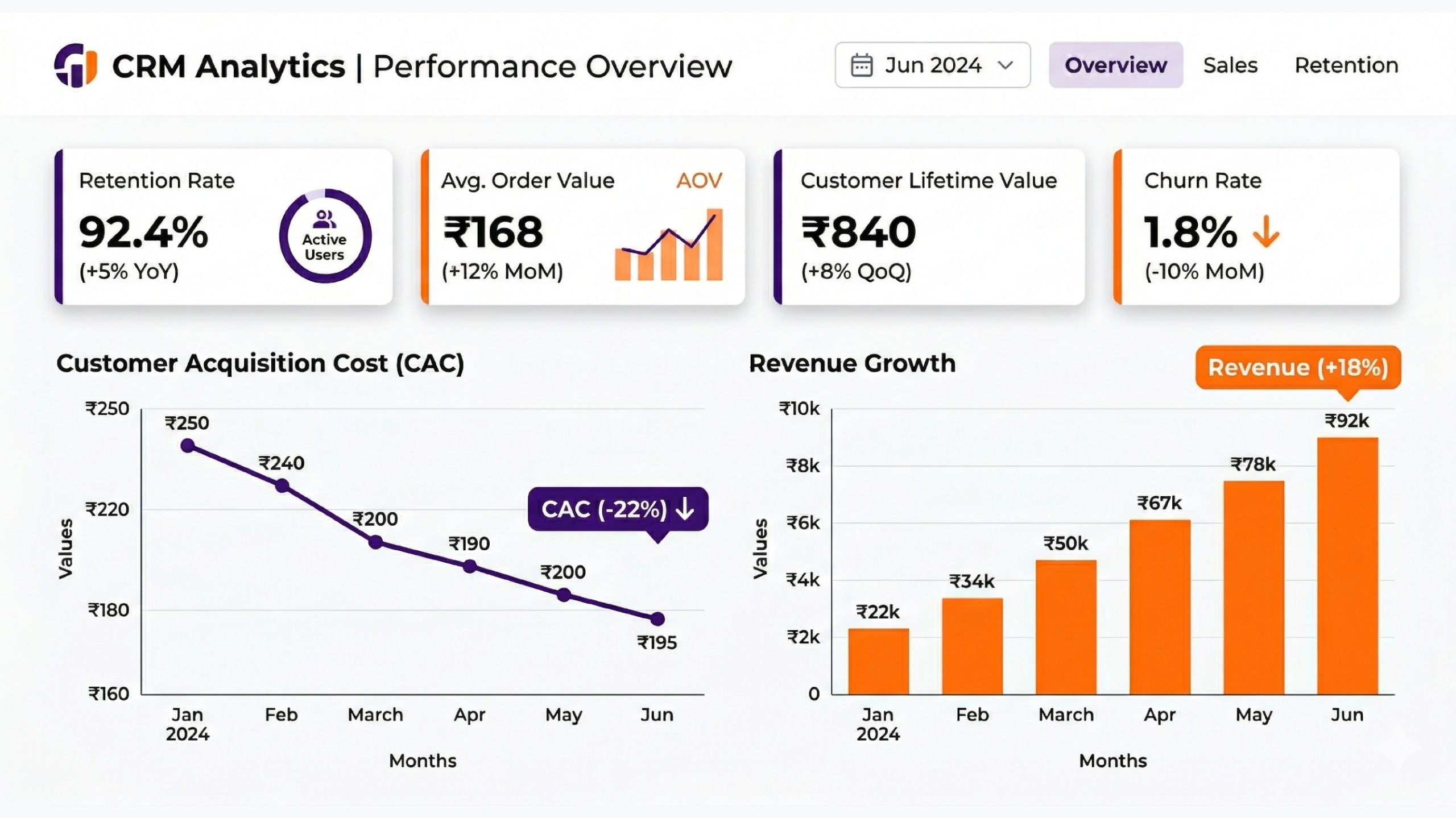
Having accurate and detailed data is crucial for effective RFM analysis. A clean customer database ensures that the scores calculated are reflective of actual customer behavior and preferences, allowing for more accurate segmentation and targeted retention strategies.
Step 1: Segment Customers Using RFM Scores
The first step in the RFM Allocation Framework is to segment customers using RFM scores. This involves calculating the recency, frequency, and monetary values of each customer to identify high-value segments.
- Calculate the recency score for each customer based on their last purchase date.
- Calculate the frequency score based on the number of purchases made within a specific period.
- Calculate the monetary value score based on the total amount spent.
Tip: Use eWards to automate RFM scoring and segmentation, saving time and ensuring accuracy.
Recency refers to the time elapsed since the last purchase, frequency is the number of transactions within a certain period, and monetary value is the total amount spent by the customer. These metrics together provide a comprehensive view of customer engagement and loyalty, enabling retailers to identify and prioritize high-value customers.
Step 2: Prioritize High-Value Customers
Once you have segmented your customers, prioritize those with high RFM scores for retention efforts. These customers are more likely to generate repeat business and have a higher lifetime value.
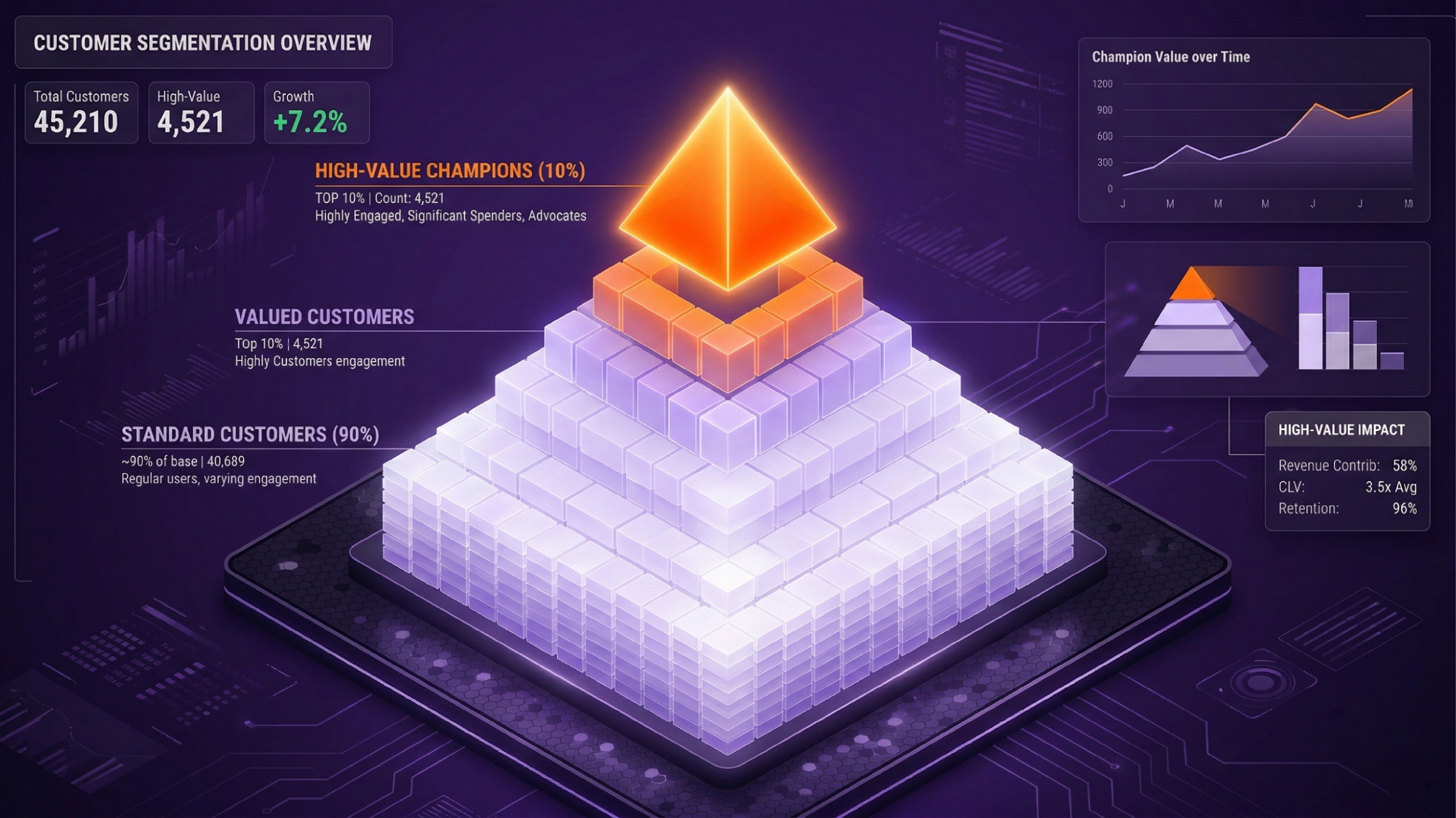
- Identify the top 10% of customers based on RFM scores.
- Develop targeted retention strategies for these high-value customers, such as personalized offers and loyalty programs.
Tip: Use eWards to create customized campaigns for high-value segments, ensuring a higher return on investment.
Prioritizing high-value customers can significantly reduce customer acquisition costs and increase revenue. By focusing on these customers, retailers can tailor their retention efforts to ensure continued engagement and loyalty, leading to a more sustainable and profitable business model.
Step 3: Analyze Customer Churn Patterns
Analyze customer churn patterns to understand why certain segments are leaving and how to prevent it. This involves identifying the common characteristics of customers who churn and developing strategies to retain them.
- Use RFM scores to identify customers at risk of churning.
- Conduct surveys or analyze customer feedback to understand the reasons for churn.
Tip: Use eWards to track customer feedback and identify trends in churn patterns, enabling proactive retention strategies.
Identifying customers at risk of churning through RFM analysis allows retailers to implement targeted retention strategies before churn occurs. By understanding the reasons for churn, businesses can address customer concerns proactively and prevent loss of valuable customers.
Implementation Framework Using the RFM Allocation Framework
To implement the RFM Allocation Framework, follow these steps:
- Calculate RFM scores for all customers.
- Segment customers into high, medium, and low value groups.
- Prioritize high-value customers for retention efforts.
- Develop targeted retention strategies for high-value customers.
- Implement retention strategies and track results.
- Continuously monitor and adjust strategies based on performance.
Implementing the RFM Allocation Framework involves a systematic approach to customer segmentation and retention. By following these steps, retailers can effectively allocate their Q4 budget and optimize customer retention efforts, leading to better business outcomes.
Frequently asked Questions:
What is RFM analysis and its application in retail?
RFM analysis is a technique used to segment customers based on their recency, frequency, and monetary value of transactions. In retail, it helps identify high-value customers and prioritize retention efforts. By focusing on frequency and recency, retailers can optimize their Q4 budget and maximize customer retention.
How to use RFM analysis for customer segmentation?
To use RFM analysis for customer segmentation, calculate the recency, frequency, and monetary value scores for each customer. Segment customers into high, medium, and low value groups based on these scores. Prioritize high-value customers for retention efforts and develop targeted strategies to retain them.
What are the benefits of using RFM analysis in retail?
The benefits of using RFM analysis in retail include a reduction in customer acquisition costs, an increase in revenue, and improved customer retention. By focusing on high-value customers and optimizing retention efforts, retailers can maximize their Q4 investments and achieve better business outcomes.
RFM analysis vs. customer lifetime value: which one is better?
Both RFM analysis and customer lifetime value (CLV) are valuable techniques for customer segmentation and retention. RFM analysis is better suited for short-term retention efforts, while CLV provides a long-term view of customer value. Combining both approaches can provide a comprehensive understanding of customer behavior and optimize retention strategies.
Can RFM analysis really reduce churn rate in retail?
Yes, RFM analysis can significantly reduce churn rates in retail. By identifying high-risk customers and developing targeted retention strategies, retailers can prevent churn and improve customer retention. According to Bain & Company, 68% of Indian retailers report that RFM analysis enhances their ability to predict and prevent churn (Bain & Company India, 2022).
Implementing the RFM Allocation Framework should lead to a 22% reduction in customer acquisition costs and a 18% increase in revenue (FICCI, 2023).