
As the Indian retail calendar hurtles toward the March 31st finish line, most enterprise teams are hyper-focused on closing the “revenue gap.” While hitting year-end targets is vital, a silent erosion is often happening beneath the surface: Customer Churn. February and March are the most critical months for churn prediction because they follow the high-intensity festive and wedding quarters. Customers who engaged heavily in October but haven’t returned by February are no longer just “resting”, they are “at-risk.” For a CRM head, identifying these cohorts before April isn’t just about saving a transaction; it’s about protecting the integrity of the opening database for the next financial year. Waiting until the 2026 Audit to realize your active base has shrunk is a strategic failure. The time to intervene is now.
Core Insight: The “Lapse Threshold” in Retail

Churn in retail is rarely a sudden breakup; it is a gradual fading of interest. At eWards, we define “At-Risk” cohorts by calculating the Mean Inter-purchase Time (MIT). If your average repeat customer shops every 60 days, any customer who hasn’t shopped in 90 days has crossed the lapse threshold.
During the February-March window, retail enterprises face a unique “Seasonality Mask.” You might see high footfalls from new “Occasion-Only” shoppers, which hides the fact that your high-value “Year-Round” shoppers from last year have stopped engaging. Predicting churn requires peeling back this mask to see which specific cohorts are failing to maintain their expected frequency.
Why This Matters for Retail Enterprises
In India, the transition from March to April often coincides with a shift in consumer spending, from high-ticket festive/wedding purchases to “back-to-school” or summer lifestyle needs. If a customer is lost in March, the cost of re-acquiring them in the heat of May or June is significantly higher.
Globally, the “Cost of Retention vs. Cost of Acquisition” debate is leaning heavily toward retention. With rising digital ad costs, an enterprise that can prevent 5% of its “At-Risk” base from churning can see a 25% to 95% increase in profits. In the context of financial year end retail planning, a churn-prevention campaign in March is the most efficient use of remaining marketing budgets.
Identifying the ‘At-Risk’ Signals
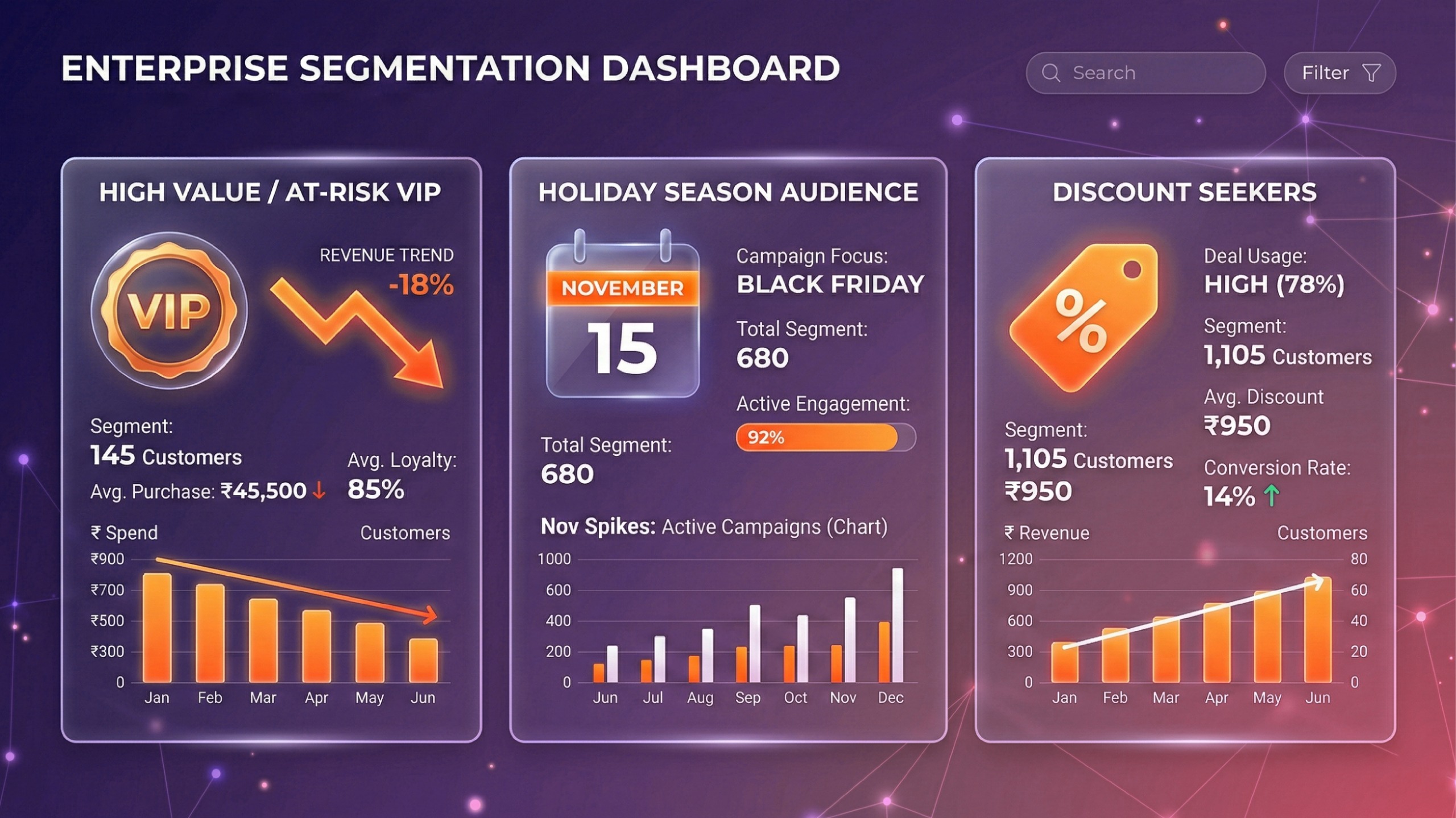
Before you can act, you must segment. Not all churn is equal. Focus on these three high-priority “At-Risk” cohorts:
- The Fading VIPs: Customers in your top decile of spend who have missed their last two predicted purchase cycles. This is a “Code Red” for loyal customer retention.
- The “One-and-Done” Festive Shoppers: Those who made their first high-value purchase in November but haven’t responded to any post-purchase triggers in January or February.
- The Discount-Deprived: Shoppers who only engage during EOSS. If they didn’t shop during the January sales, they are likely moving to a competitor with a deeper discount.
The eWards “Pre-April” Rescue Framework
- Sentiment-Based Re-engagement: Instead of a generic “We Miss You” discount, use eWards’ behavioral clustering to send a “New Season Preview” that aligns with their past style preferences.
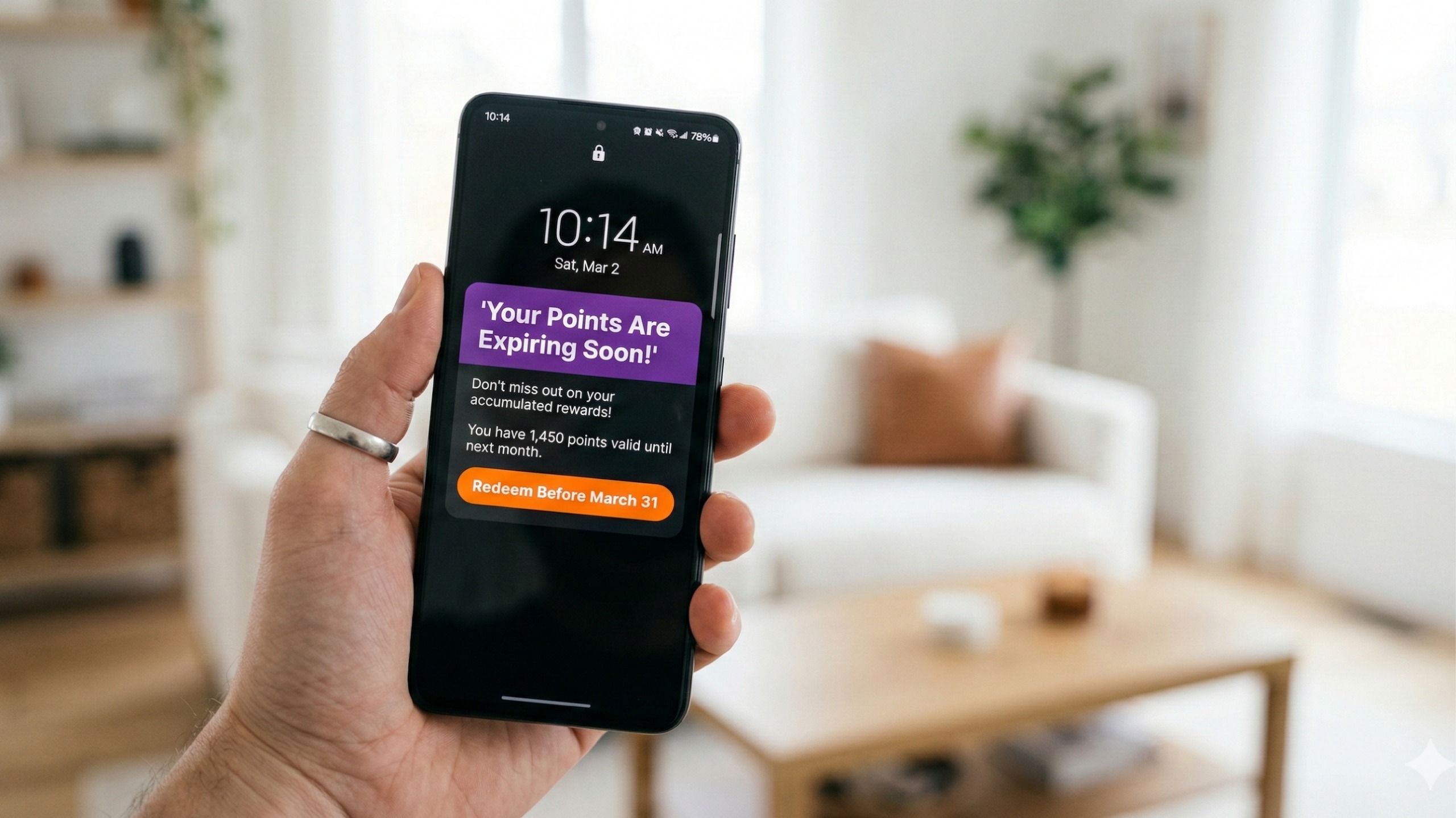
- The “Points-to-Expiry” Trigger: March is the perfect time to remind customers of their loyalty point balances. A “Use them before they expire” message is a powerful, non-intrusive way to drive a store visit.
- Feedback Loops: For high-value at-risk segments, the goal should be data first, sale second. A short survey asking “How can we improve?” can often re-ignite the relationship more effectively than a 10% coupon.
Common Mistakes in Churn Prevention
- The “Too Little, Too Late” Approach: Starting churn campaigns in May. By then, the customer has already formed a habit with a competitor.
- Discount Cannibalization: Offering a deep discount to someone who was just “resting” and would have come back anyway. This is why retail data reconciliation and accurate MIT tracking are essential.
- Ignoring the Channel Preference: Sending an email to a customer who only ever opens WhatsApp messages.
Protect Your Starting Line
The health of your 2026-27 data-led retail strategy depends on the quality of the database you carry over from March. By identifying and incentivizing “At-Risk” cohorts now, you ensure that April begins with a warm, engaged audience rather than a list of “Ghost Profiles.” The objective of a senior CRM leader is to ensure that the year-end audit reflects not just how much was sold, but how many relationships were secured.