
Introduction
For large-scale retail enterprises, inventory management and customer loyalty have traditionally lived in silos. Operations teams focus on stock turn and aging reports, while CRM teams focus on lifetime value and generic engagement. However, in the high-stakes environment of Indian retail where seasonal shifts and rapid trend cycles dictate success these silos create a massive opportunity cost. Inventory-led loyalty bridges this gap.
By connecting your Point of Sale (POS) inventory data with your CRM, retail leaders can turn loyalty programs from simple discount systems into smart tools for clearing out excess stock. Instead of broad-based “End of Season Sales” that erode margins across the board, enterprise teams can now use granular SKU-level marketing to target the right customers for specific slow-moving stock. This approach doesn’t just clear shelves; it protects brand equity by replacing mass discounting with personalized, behavior-driven rewards.
Core Insight: The Shift from “Mass Clearance” to “Precision Liquidation
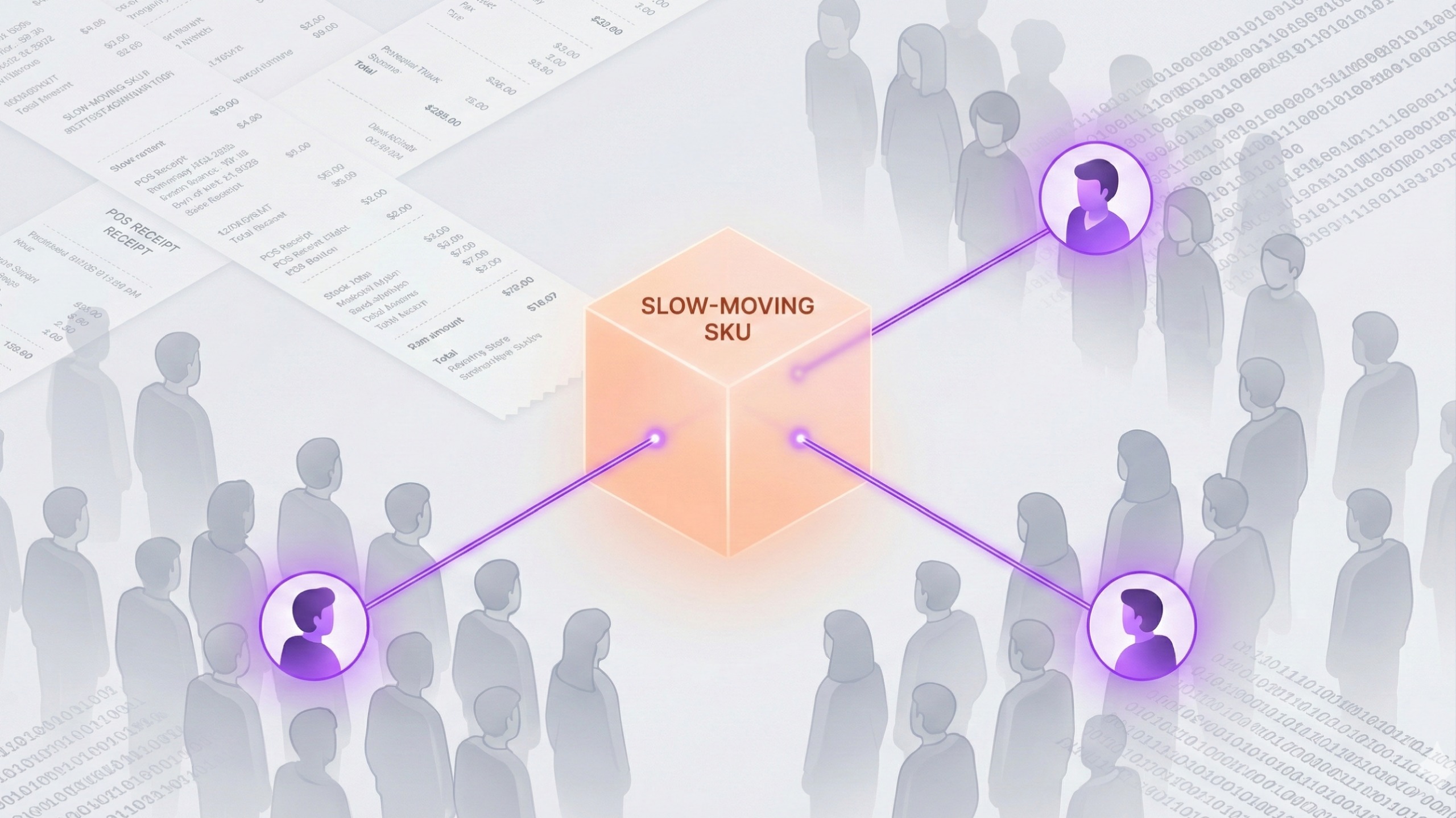
The main problem with traditional stock clearance is that it treats all products the same, without considering their individual needs. When a specific category say, mid-range denim or a particular line of skincare stagnates, the standard response is a store-wide or category-wide markdown. This rewards customers who would have paid full price and ignores the specific buying signals in your database.
Inventory-led loyalty flips the script. It uses POS inventory CRM integration to identify real-time stock imbalances and automatically triggers hyper-targeted campaigns. If your POS signals an overstock of SKU ‘A’ in Western India outlets, the eWards philosophy dictates that you don’t discount SKU ‘A’ for everyone. Instead, you identify the “Value Seekers” or “Category Specialists” within that specific geography and offer them exclusive, behavior-driven incentives to purchase that specific item.
Why This Matters for Retail Enterprises
In the Indian context, retail cycles are dictated by a unique cadence of festivals, weddings, and “shubh muhurats.” For an enterprise CRM head, the “February Lull” (post-Republic Day sales and pre-Spring/Summer launches) is a critical period for optimization.
- Margin Preservation: Big sales to clear out stock can hurt your profits. By using SKU-level marketing, you maintain premium pricing for healthy stock while applying surgical incentives only where needed.
- Operational Efficiency: Integrating CRM with POS data allows for “Local Liquidation.” If a Chennai store has high inventory of a specific product while the Delhi store is sold out, you can run localized loyalty triggers to move stock where it sits, saving on inter-store transfer costs.
- Customer Relevance: A loyalty member who frequently buys organic tea is more likely to respond to a “Double Points” offer on a slow-moving new flavor than a generic 10% off coupon for the entire grocery aisle.
The Strategic Framework: How to Execute Inventory-Led Loyalty
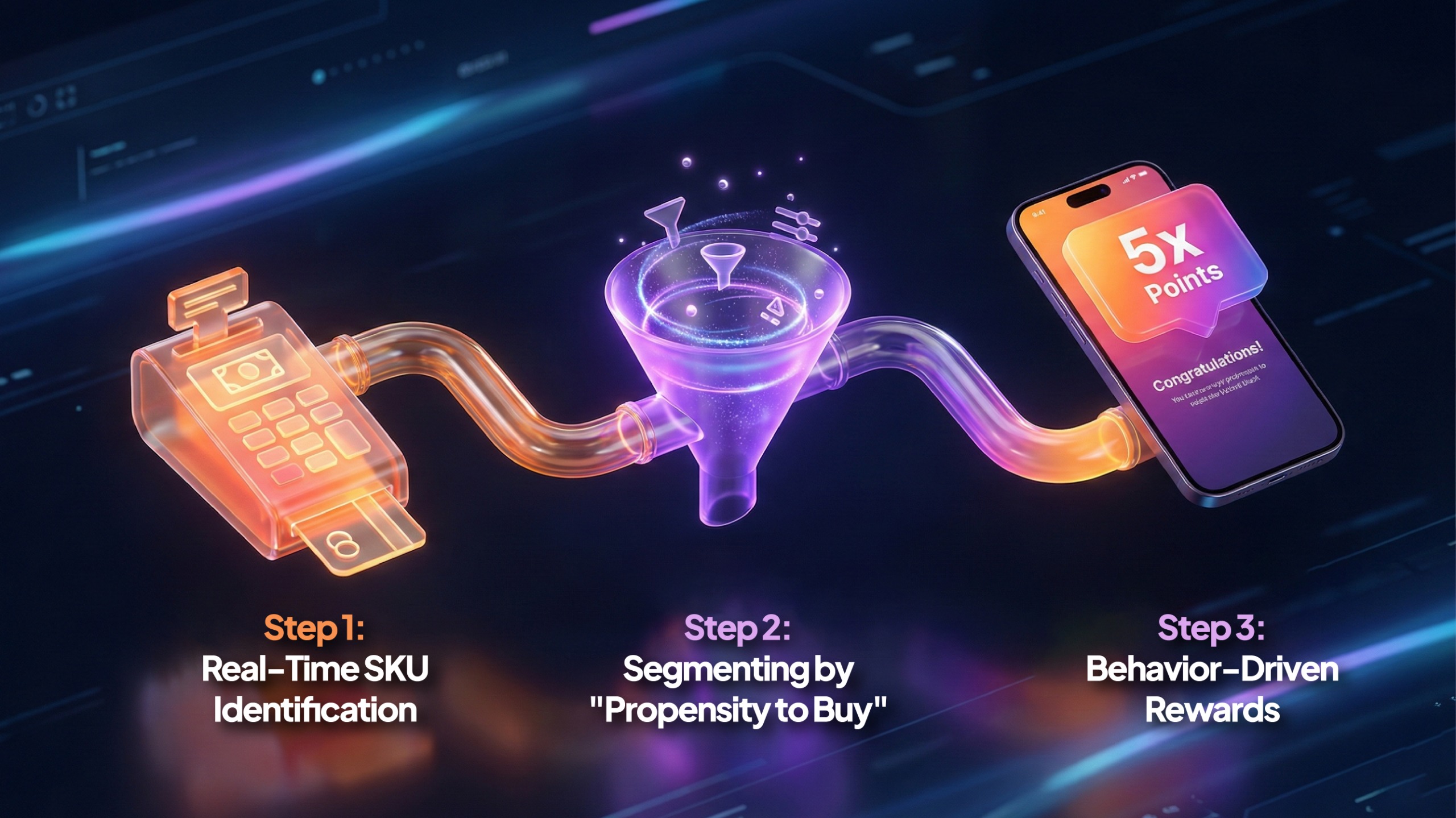
To move away from generic discounting and toward a slow moving stock strategy, enterprise teams should follow this three-tier approach:
1. Real-Time SKU Identification
Your CRM must talk to your POS in near real-time. Define “Slow-Moving” based on your specific category’s velocity. For some, it’s 30 days without a sale; for others, it’s 90. eWards enables this by tagging customers based on their specific SKU affinity, allowing you to see exactly who matches the overstocked items.
2. Segmenting by “Propensity to Buy”
Do not blast your entire database. Create cohorts based on:
- Past Purchase History: Who has bought this SKU or sub-category before?
- Price Sensitivity: Which members only shop during promotional windows?
- Lapsed Status: Can these slow-moving SKUs be used as a “Win-back” gift to re-engage dormant members?
3. Behavior-Driven Rewards (The “Incentive Ladder”)
Instead of a flat discount, use the loyalty currency to create urgency:
- The Multiplier: “Earn 5x Points on this specific collection this weekend.”
- The Unlock: “Buy [Slow-Moving SKU] and unlock an exclusive voucher for the New Arrivals.”
- The Gift: For high-margin but slow-moving items, use them as “Free Gifts” for your Platinum tier to increase perceived value without the “Clearance” stigma.
Common Pitfalls to Avoid
- The “Coupon Fatigue” Trap: If customers realize that slow-moving stock always ends up at 50% off, they will stop buying at full price. Use loyalty points and “Early Access” terminology to mask the liquidation intent.
- Data Lag: Using last week’s inventory report for today’s campaign leads to frustrated customers who arrive to find an item “Out of Stock.” Seamless POS inventory CRM integration is non-negotiable.
- Inconsistent Omnichannel Experience: Ensure that the “Inventory-Led” offer sent via WhatsApp is instantly redeemable both at the physical POS and the web-store.
Conclusion: Turning Liabilities into Loyalty
Inventory is a depreciating asset. Every day a SKU sits on the shelf, its ROI diminishes. By adopting an inventory-led loyalty mindset, retail enterprises stop viewing slow-moving stock as a failure of procurement and start viewing it as a tool for personalized engagement.
The goal isn’t just to “clear the warehouse.” The goal is to use that stock to provide a relevant, timely, and rewarding experience for your customers. When you align what the customer wants with what the business needs to move, you achieve the ultimate CRM synergy.
Final Takeaway
Start by identifying your bottom 10% of SKUs by velocity and run a “Points Multiplier” pilot for the top 20% of customers who have previously shopped that category.
Subscribe for Smarter, Data-Driven CRM Insights
Ready to elevate your CRM strategy with smarter testing? Subscribe to our newsletter for expert insights on AI-driven CRM optimization for improved customer engagement and ROI.